What Better Treatment Would Mean for the Toys We Send
I want to write about what better pediatric cancer treatment would mean for the toys we send.
This might sound like an odd frame. Stay with me.
Every Joy Package we deliver is built around a specific reality: the chemotherapy protocols children are on in 2026 are brutal, and children need help coping with that brutality. Sensory tools for procedures. Distraction tools for infusions. Regulation tools for steroid weeks. Quiet activities for the long inpatient stays. Every item in the bag is a response to what these drugs, most of them developed decades ago, do to a small body.
If pediatric cancer research had received a proportional share of federal funding over the last 50 years, and if the drugs children are treated with today were newer, more targeted, and gentler, what we send in a Joy Package would look different.
What the Joy Package looks like today
Roughly half the items in our current September bag are what child life specialists call regulation tools. Pop-its. Sensory balls. Slinkies. Fidget cubes. Small stress-management devices sized for a child's hand.
These items are essential. Children reach for them during port draws, during dressing changes, during the anxious 20 minutes before a lumbar puncture. Child life specialists use them to help a child's nervous system stay grounded in a moment that is asking a lot of the child's body.
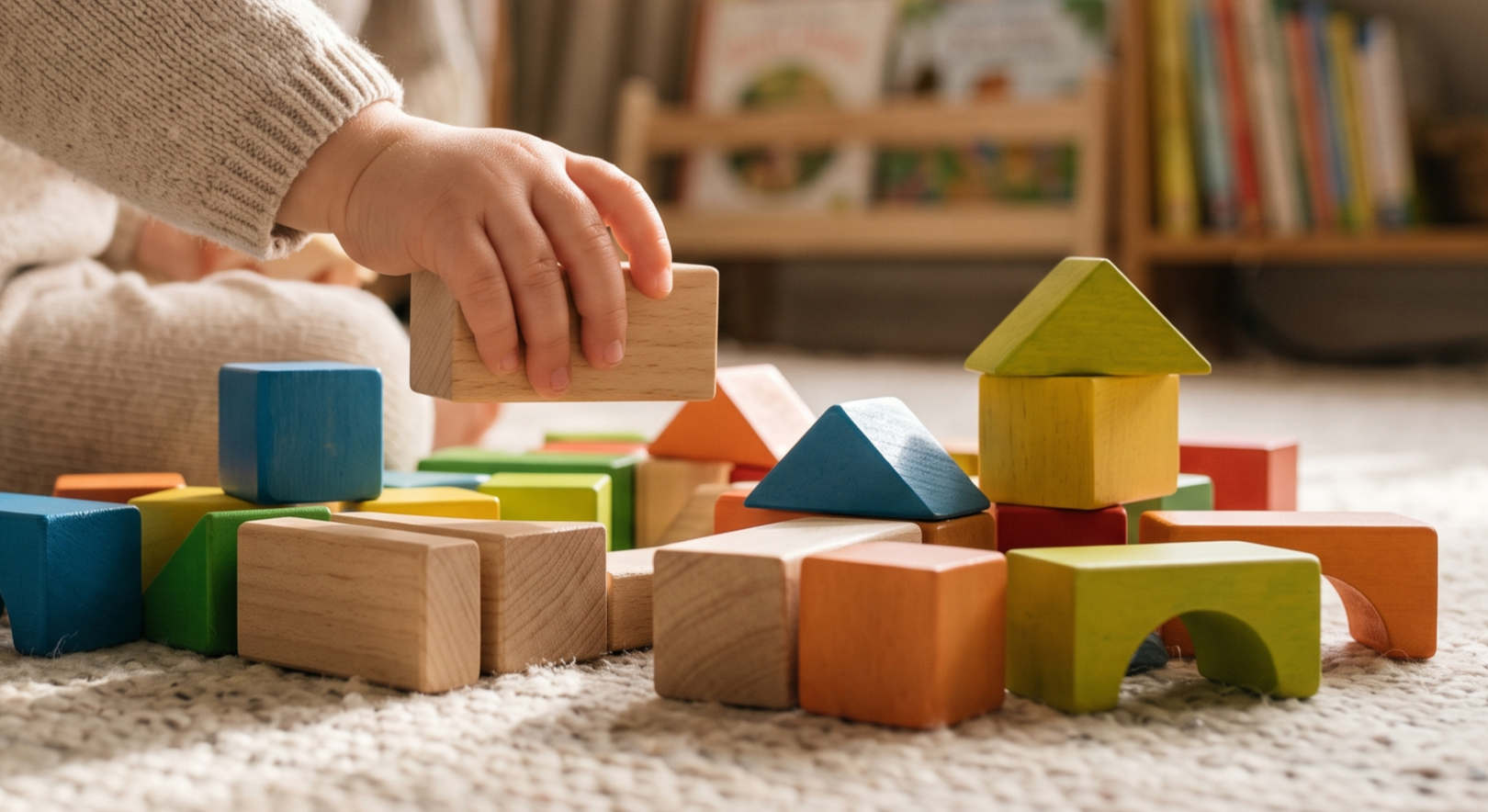
The other half of the bag is play. Coloring books. Stickers. Play-Doh. Finger puppets. Books. The kinds of toys any child might reach for on any day.
What would change with better treatment
In a world where pediatric cancer treatment had advanced the way adult cancer treatment has advanced in the last two decades, several things would shift.
Children would need fewer regulation tools
The steroid weeks would be shorter or gentler. The nausea would be less predictable. The neuropathy would be a smaller risk. The port draws would happen fewer times over the course of treatment because targeted therapies would replace some of the current chemotherapy backbone.
A Joy Package in that world might have one or two sensory tools instead of five or six. Not because the tools stop mattering. Because the child wouldn't need as many of them, as often.
The bag could hold more of what children love just to love
More books. More craft kits. More open-ended play. More small joys that have nothing to do with helping a body get through a hard chemotherapy day.
The tone of a hospital toy closet would shift
Today's pediatric oncology toy closets are stocked heavily with coping tools. Half distraction, half joy. In a better-treatment future, the balance could tip toward joy. Not because coping tools go away entirely (they never will), but because the medical demand for them would drop.
Why the toys are also an advocacy story
Every Joy Package we send is a small, tangible measurement of the treatment gap.
When we tell a donor that a bag is $25 and it goes to a child in active treatment, we are describing the direct cost of a specific coping infrastructure that exists because the medical infrastructure hasn't caught up. Each sensory ball is a small vote for the fact that we haven't yet built the therapies that would make it unnecessary.
We are not going to stop sending toys. We will keep sending them for as long as children are in treatment.
We also want a future where children in treatment need fewer of them.
What advocates can do about this
If you've been wondering how the toy side of pediatric cancer connects to the research side, here it is. Donations to Maxwell's Toy Box meet the child in the chair today. Donations to pediatric cancer research foundations (St. Baldrick's, Alex's Lemonade Stand Foundation, the National Pediatric Cancer Foundation, CureSearch, CureChildhoodCancer) work toward the day when the chair itself needs less.
Both matter. They meet the same problem from different angles.
If you're able to split your giving this month between one and the other, you're supporting both the children in treatment right now and the researchers working to make future Joy Packages lighter.
A small vision
I hope to write a post, twenty years from now, about the day a Maxwell's Toy Box Joy Package no longer needed to include a full sensory-regulation kit. About the day when the tools in the bag were mostly there for joy, because the treatments had gotten gentle enough that the coping infrastructure could relax.
We're not there yet.
The path from here to there runs through pediatric cancer research funding, which runs through advocacy, which starts with every family and every friend who reads this and decides to be part of the push.
That's how the future Joy Package gets built.
Dina
Mom of Max | Founder, Maxwell’s Toy Shoppe
Childhood Cancer Advocate 💛
Follow Us On Social
Join our movement to support children battling cancer and their families, year-round:
🎁 Donate to deliver toys to children during long cancer treatment days
🧸 Buy a toy from Maxwell’s Toy Shoppe, and 100% of proceeds support children in treatment
🎗️ Join Maxwell’s Circle of Heroes as a monthly donor to ensure families receive ongoing care