The Friendships That Grew in Different Shapes During Treatment
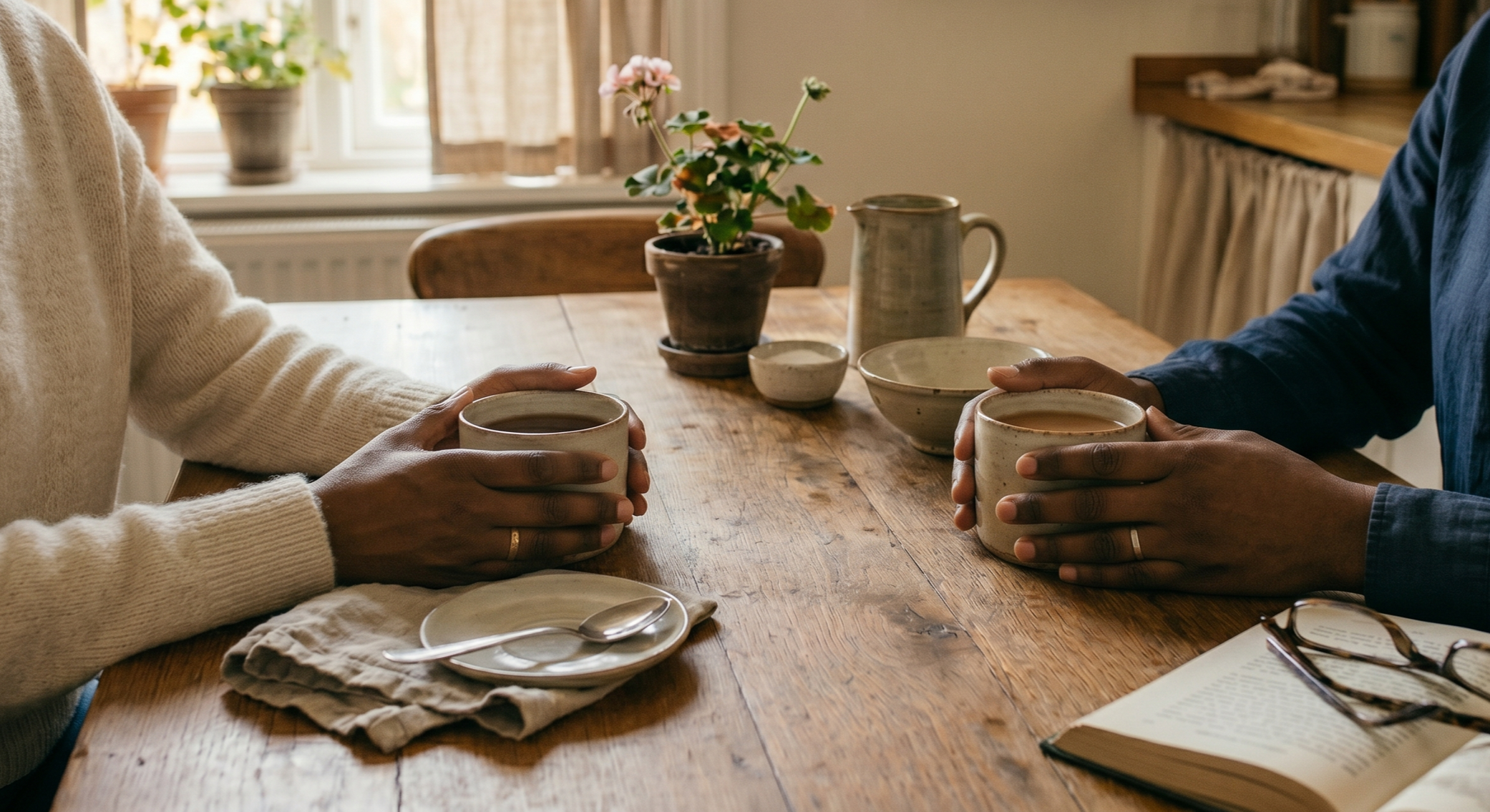
Before my son was diagnosed, my friendships looked one way. After his diagnosis, they reshaped. Not better, not worse, but different.
I want to write about this honestly, with as much grace as I can offer, because the friendships of a cancer mom are part of how she survives the years of treatment. And the people on the other end of those friendships, the friends who tried and the friends who did their best from a distance, were doing love in the ways they knew how.
The friendships that became closer
Some of my friendships became closer than I knew friendships could become. A handful of women in my life stepped into our family's first year of treatment in a way that I still cannot fully describe. They organized meal trains. They picked our daughter up from preschool. They sat in our kitchen while I cried. They did our laundry. They sent texts at 6 a.m. on clinic mornings.
Some of these were friends I had known for years. Some were newer friends, even acquaintances, who showed up in ways I would not have predicted.
These friends are now in a category that did not exist before. They are the people who saw us at our most stripped-down and chose to stay close. That kind of friendship is rare. I am still working out how to be a good friend back to them.
The friendships that grew quietly
Some friendships grew in a quieter way. People who did not necessarily show up at the front door, but who texted regularly. Who sent the occasional card. Who remembered the date of a scan and sent a thinking-of-you message the morning of.
These friendships were a kind of low-key consistency that I did not always notice in the moment. I notice them now. The friends who kept showing up in small ways, for years, are the friends I want to keep close in this next chapter of our life.
The friendships that changed shape
Some friendships changed in ways that I have spent years thinking about gently.
There were friends who were close before the diagnosis, who became more distant during treatment. Not because they stopped caring. Because they did not know what to do. Childhood cancer is, for most people in the world, completely outside of anything they have personal experience with. The vocabulary is unfamiliar. The hospital world is unfamiliar. The right words feel impossible to find.
Some friends responded to that gap by going quiet. Not in a cruel way. In a way that I now understand as overwhelmed.
Some friends responded by trying very hard, but in ways that did not always land. Phone calls when I did not have the bandwidth. Long check-in texts that I did not have the energy to reply to. Offers of help that came in the form of vague "let me know what you need" messages that I, in the fog of those first months, did not know how to act on.
I do not blame any of these friends. I think most people, faced with a friend's child being diagnosed with cancer, do not know how to be a good friend in that specific situation. We do not teach people how to do this. We do not have a script for it. Most adults in our culture have not, at the time of a friend's diagnosis, been trained in any of the skills that situation requires.
What I have learned
Friendship after a hard thing is allowed to look different
I used to measure friendship by frequency. Are we still talking every week? Are we still getting together regularly? Are we still as close as we were?
Cancer taught me to measure friendship differently. Some of my closest friendships now involve a text every couple of months and a deep conversation every six. Others involve a daily voice memo. Both are real. Both are friendship.
Some friends needed help from me to know how to help
I used to think a good friend should know what to do without being told. Cancer taught me that some of the kindest people in my life were waiting, gently, for a sign from me about what would help. When I learned to ask for specific things, they showed up.
I am working on being a friend who is easier to help.
The friends who tried imperfectly are still my friends
Some of the people who fumbled in the first year of our treatment are still in my life. We have talked about the fumbles. We have laughed about them. We have grown the friendship through them.
I did not lose those friendships. We learned, together, how to do this.
A note for the friend reading this
If you are reading this and you are a friend of a cancer family, and you are worried that you did not show up the way you would have wanted to, please read this gently.
The fact that you are reading this post means you care. The fact that you are still thinking about it, even now, means the relationship matters to you.
Send the text. Not an apology. A small, warm, no-pressure message. "I have been thinking about your family. I love you. I would love to see you when you are up for it."
Most cancer families would be grateful to hear from you. The window has not closed.
A note for the cancer mom reading this
If you are a cancer mom who has been quietly grieving the friendships that changed shape, that grief is valid. It is also a grief you can hold gently. Most of the people who did not know how to show up were not abandoning you. They were overwhelmed by something they had no training for.
You are allowed to be hurt by some of what happened. You are also allowed, if you want, to leave a little space for the friendships to find their way back.
Some of mine did. Some of mine grew into something I did not expect. Some of mine are still finding their way.
All of it has been a softer process than I would have predicted.
Dina
Mom of Max | Founder, Maxwell’s Toy Shoppe
Childhood Cancer Advocate 💛
Follow Us On Social
Join our movement to support children battling cancer and their families, year-round:
🎁 Donate to deliver toys to children during long cancer treatment days
🧸 Buy a toy from Maxwell’s Toy Shoppe, and 100% of proceeds support children in treatment
🎗️ Join Maxwell’s Circle of Heroes as a monthly donor to ensure families receive ongoing care