

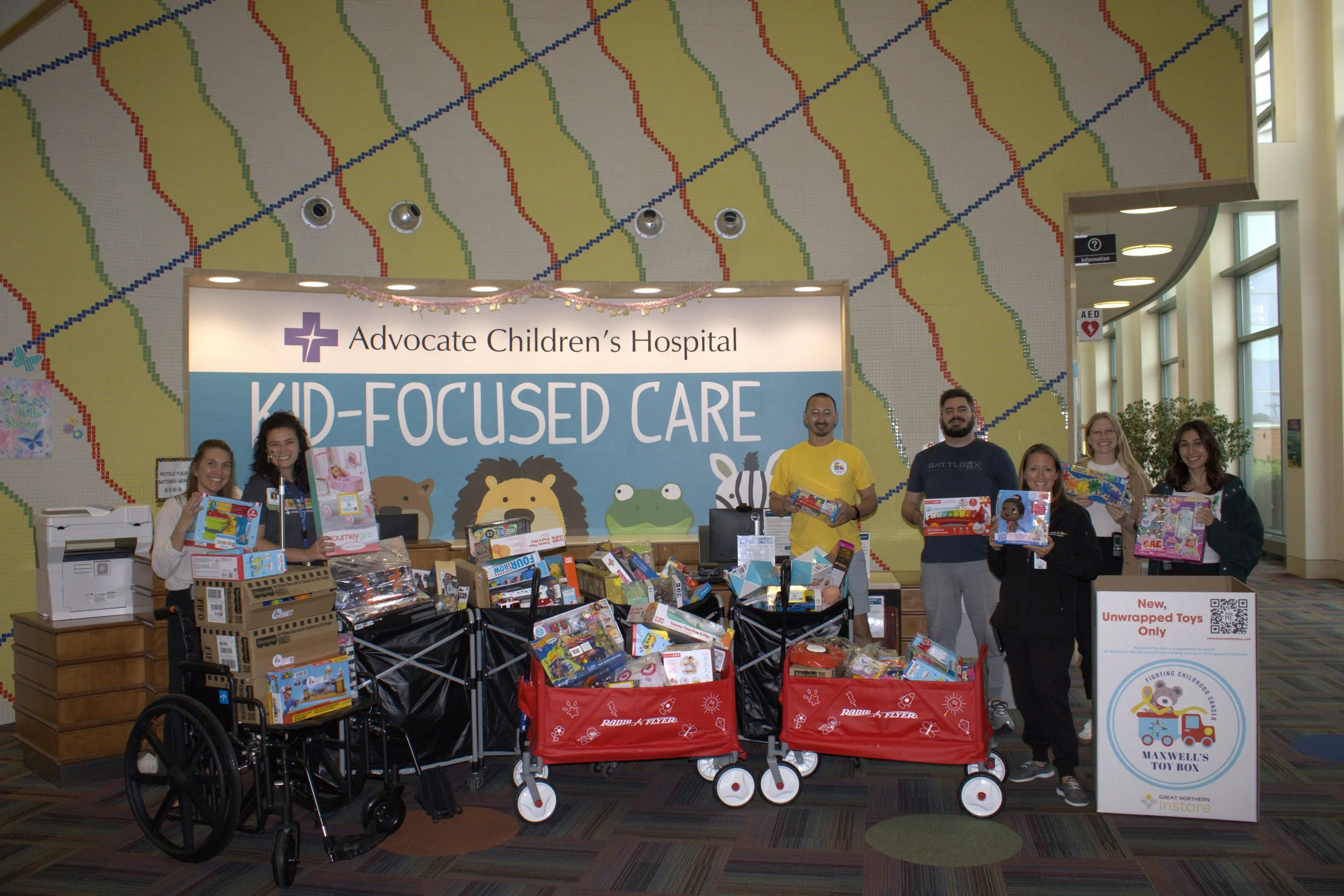
Real stories, big hearts, and why we show up for families every day.
Stories from the Toy Box

The RACE for Children Act, Explained for Parents
The RACE for Children Act is one of the most important pediatric cancer laws you've probably heard mentioned—but may not fully understand. Passed in 2017, it changed how certain adult cancer drugs are studied for children, helping close a long-standing gap in pediatric cancer research. This post breaks down what the law does, what it doesn't do, and why advocates see it as proof that family voices can drive meaningful policy change.

The Rage of Reading the Drug List
There is a moment many cancer parents experience that doesn't have a name. It often arrives quietly—while reviewing medical records, reading a treatment protocol, or reflecting on the years a child spent in treatment. For me, it came when I realized that many of the drugs that saved my son's life were developed decades before he was born. This post is about that moment, the complicated emotions it brings, and how gratitude for survival can grow into a desire to advocate for better treatments for the children who come next.

How to Move Federal Pediatric Cancer Research Funding (Beyond the Letter)
Sending a letter to your elected officials is a powerful first step. But what comes next? From attending town halls and meeting with congressional staff to joining advocacy days and responding to policy alerts, there are many ways families can help shape pediatric cancer research funding. This post breaks down practical, realistic advocacy actions that fit into everyday life—and explains how small, consistent efforts can create lasting change.

What Pediatric Oncologists Would Change If They Could
Over the course of our son's leukemia treatment, I started asking his oncology team a simple question: If you could change one thing about pediatric cancer treatment, what would it be? The answers were remarkably consistent. More research funding. Newer drugs. Better clinical trial access. Stronger survivorship support. More mental health resources for families. This post shares the themes I heard again and again—and why they continue to shape how our family thinks about advocacy.

The Number That Got Me
A number stopped me in my tracks recently: 8 percent. That's the estimated share of the federal cancer research budget dedicated to pediatric cancer. While $576 million sounds substantial, it has to fund research across every childhood cancer diagnosis, every clinical trial, every rare cancer study, and every effort to develop better treatments. This post explores why that number matters—and why changing it starts with awareness and advocacy.

Behind the Scenes of a Joy Package Delivery Day
What happens between a donation and a Joy Package reaching a child in treatment? This behind-the-scenes look follows a Maxwell's Toy Box delivery day—from volunteer packing tables in Lake Bluff to pediatric oncology units across Chicagoland. It's a story about logistics, partnership, and the small comforts that help children navigate some of the hardest days of treatment.

What Better Treatment Would Look Like For Our Families
What does "better treatment" actually mean for children with cancer? For most cancer families, the answer goes beyond survival. It means shorter treatment, gentler drugs, fewer long-term side effects, faster access to clinical trials, and more options for rare pediatric cancers. This post explores the future so many families are advocating for—and why pediatric cancer research funding is the path that gets us there.

What I Wish Every Person Knew About Childhood Cancer, In Six Numbers
Most people will never see the reality of childhood cancer until it touches their family directly. After four years inside this world, what still shocks me is how invisible it remains. This Childhood Cancer Awareness Month, I’m sharing six numbers that define life for thousands of families: the pediatric cancer funding gap, the overwhelming appointment schedule, the financial strain, and the hidden costs children and parents carry every day. These numbers are more than statistics. They are real childhoods, real families, and a reality that deserves to be seen.
My Son's Chemo Was Invented Before I Was Born
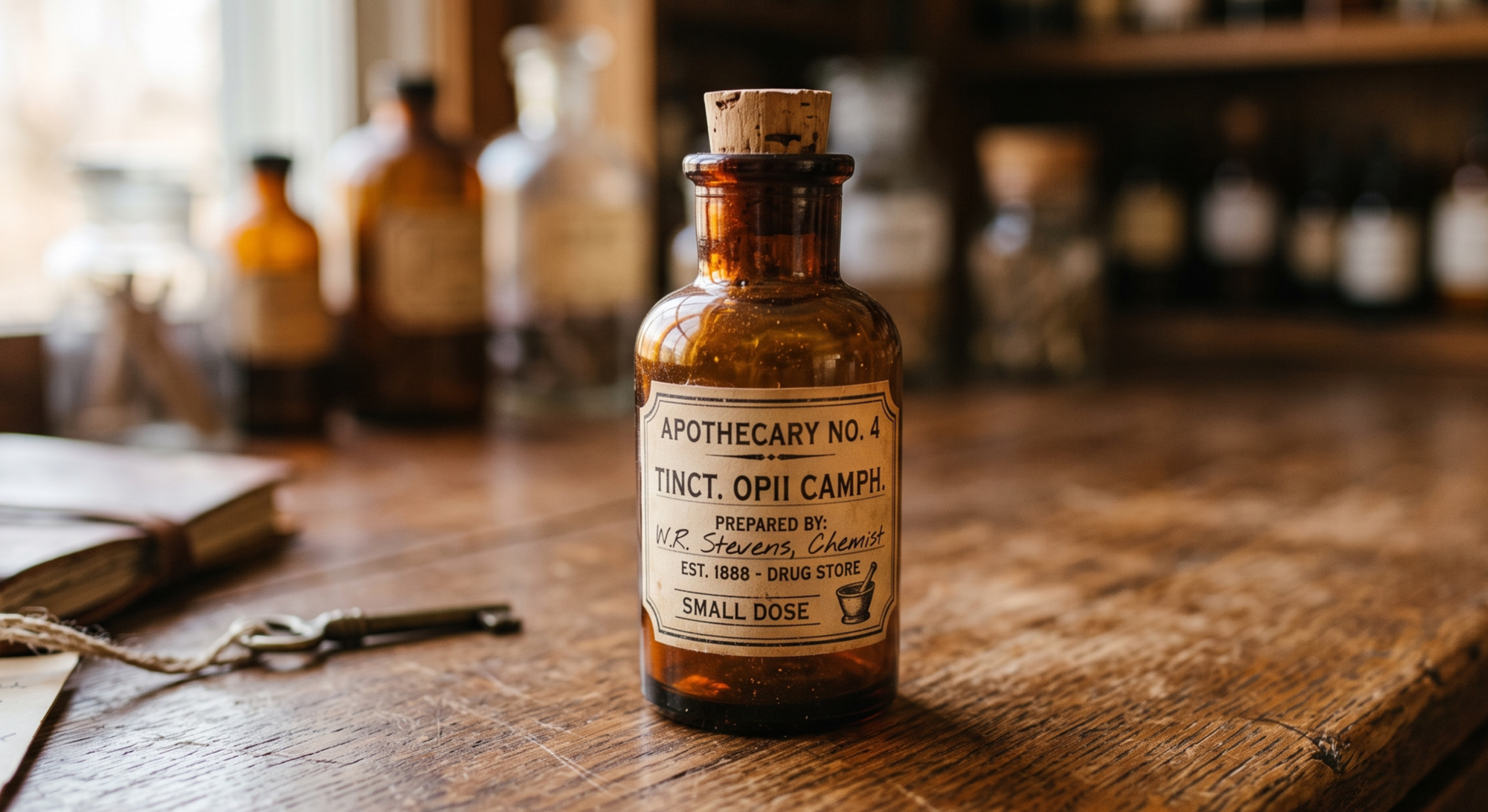
Vincristine was approved by the FDA in 1963. More than sixty years later, it remains a cornerstone of pediatric leukemia treatment—and it was one of the drugs that saved my son's life. This post reflects on the complicated reality of being deeply grateful for a medicine that works while also wondering why so many children are still relying on treatments developed generations ago. It's a story about survival, advocacy, and the hope that the next generation of children will have better options.
The Research Foundations That Fund Pediatric Cancer Research
One of the questions we hear most often during Childhood Cancer Awareness Month is: Which pediatric cancer research organizations should I support? If you're looking to direct your advocacy dollars toward research, this guide shares several of the foundations our family trusts most, including the organizations funding the next generation of treatments for children with cancer. From St. Baldrick's Foundation to Alex's Lemonade Stand Foundation and beyond, these are the groups helping turn today's research into tomorrow's cures.

The Late Effects We're Watching For (And Why They Exist)
Finishing treatment is not the end of the medical journey for childhood cancer survivors. Survivorship comes with a new calendar—one filled with follow-up appointments, screenings, and long-term monitoring for the late effects of treatment. In this post, I share what survivorship care looks like for our family, why these appointments matter, and how the reality of lifelong follow-up highlights the urgent need for better, gentler pediatric cancer treatments.

A Small Fact About Kymriah
Some advocacy stories begin with frustration. This one begins with hope. In 2017, the FDA approved Kymriah, the first gene therapy for children and young adults with relapsed or refractory B-cell acute lymphoblastic leukemia. For families who once had few options after relapse, it represented something extraordinary: a new way forward. This post reflects on what Kymriah means, why it matters, and why continued investment in pediatric cancer research is how we create the next breakthrough for children still waiting.

What Better Treatment Would Mean for the Toys We Send
Every Maxwell’s Toy Box Joy Package is designed for a child navigating the realities of cancer treatment today. Pop-its, sensory balls, and fidget toys aren’t there by accident—they help children cope with procedures, infusions, and the side effects of treatments that are still incredibly hard on growing bodies. This post explores a simple question: what would our Joy Packages look like if pediatric cancer treatments were gentler, more targeted, and built with today’s science? The answer reveals why supporting children today and funding research for tomorrow are both essential parts of the same mission.

How Our Family Started Talking About Advocacy At the Dinner Table
Somewhere between clinic visits, survivorship appointments, and ordinary family life, we became an advocacy family. Not because we planned to, but because once we started learning more about pediatric cancer research, it became impossible to look away. This post is about how that shift happened in our home, the small ways we advocate today, and why advocacy has become one of the places we put our gratitude, grief, and hope for the children who come after ours.
The 8% Problem: Why Pediatric Cancer Gets a Fraction of Research Funding
If you've spent any time in the pediatric cancer community, you've probably heard one number repeated over and over: 8%.
That's the widely cited estimate of how much federal cancer research funding is directed toward pediatric cancers. For many families, that number becomes impossible to ignore when they learn that the drugs treating children today were often developed decades ago.
The conversation about 8% isn't really about a percentage. It's about whether children with cancer have access to the research, clinical trials, and treatment innovations they deserve. It's about building a future with better cures, fewer late effects, and more options for families facing a diagnosis.
The good news? Funding levels are not fixed. They are policy decisions. And policy decisions can change.

Labor Day, and the Labor of the Advocacy Moms
It's Labor Day, and I've been thinking about a kind of labor that rarely gets recognized: the work of advocacy moms.
These are the mothers who learn the science, write the letters, organize the fundraisers, meet with legislators, support newly diagnosed families, and keep talking about pediatric cancer long after treatment ends. They do it while managing clinic appointments, school pickups, jobs, marriages, and the everyday realities of family life.
Most never planned to become advocates. They became advocates because their child needed them to be.
This Labor Day, I'm thinking about the mothers who have turned their love, fear, and determination into action. The work is often invisible. It is almost always unpaid. And it has helped change the future for children with cancer.

A Letter to Your Congressional Representative About Pediatric Cancer Research
If you've ever wondered what pediatric cancer advocacy looks like, it often starts with something surprisingly simple: a letter.
Every year, Congress helps determine federal research funding, including support for pediatric cancer research. While childhood cancer remains the leading disease-related cause of death in children, pediatric cancers receive only a small portion of overall federal cancer research funding.
This Childhood Cancer Awareness Month, one of the most powerful things you can do is contact your elected officials. Share your story. Ask for increased pediatric cancer research funding. Remind them that today's children deserve treatments that are not only life-saving, but safer and more effective than the ones developed decades ago.
Advocacy does not require a trip to Washington. Sometimes it starts at your kitchen table with an email, a stamp, and a few minutes of your time.
The Late Effects Our Son Will Live With (From Chemos Older Than I Am)
My son is a childhood cancer survivor. We are deeply grateful for that. But survivorship comes with something many parents do not fully understand at diagnosis: late effects.
The chemotherapy drugs that saved his life can also affect his heart, growth, learning, fertility, and overall health years or even decades after treatment ends. That is why survivor families spend years in follow-up care, monitoring not just for relapse, but for the long-term impact of treatment itself.
The goal of pediatric cancer research is not only helping more children survive. It is helping them survive with fewer lifelong consequences. The children in treatment today deserve cures that are both effective and gentler on growing bodies.

A Small Fact About Vincristine
I looked something up this week, and I have not stopped thinking about it.
Vincristine, one of the chemotherapy drugs that helped save my son's life, was approved in 1963. More than 60 years later, children with leukemia are still receiving it as part of treatment.
I am grateful for the medicine that gave my son a future. But I cannot stop thinking about the children sitting in infusion chairs today. They deserve the same chance at survival—and they deserve treatments that are newer, gentler, and built on the progress of the last six decades.
That thought has stayed with me all week.
Why We Send So Many Sensory Toys
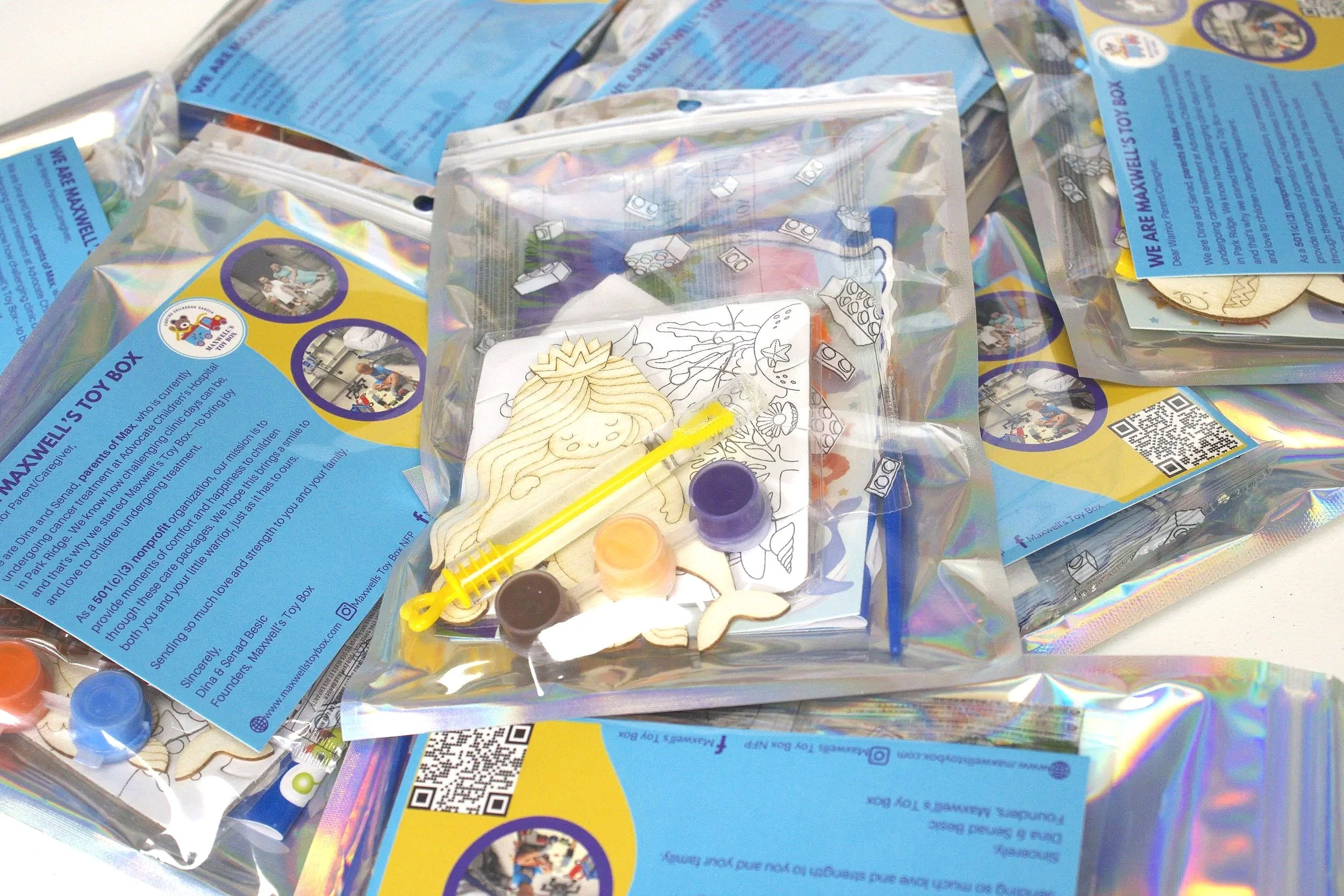
Every Maxwell's Toy Box Joy Package includes sensory toys for a reason.
The pop-it, sensory ball, Slinky, and Play-Doh aren't just there to entertain a child. They're tools that help children cope with procedures, infusions, anxiety, and the side effects of cancer treatment. They help regulate nervous systems that are being asked to endure an enormous amount.
The reality is that many pediatric cancer treatments still rely on chemotherapy drugs developed decades ago. While those medicines save lives, they also bring difficult side effects that children navigate every day in clinic chairs and hospital rooms.
This Childhood Cancer Awareness Month, we're reflecting on the connection between comfort and advocacy: supporting children in treatment today while pushing for better, gentler treatments for the children who come next.