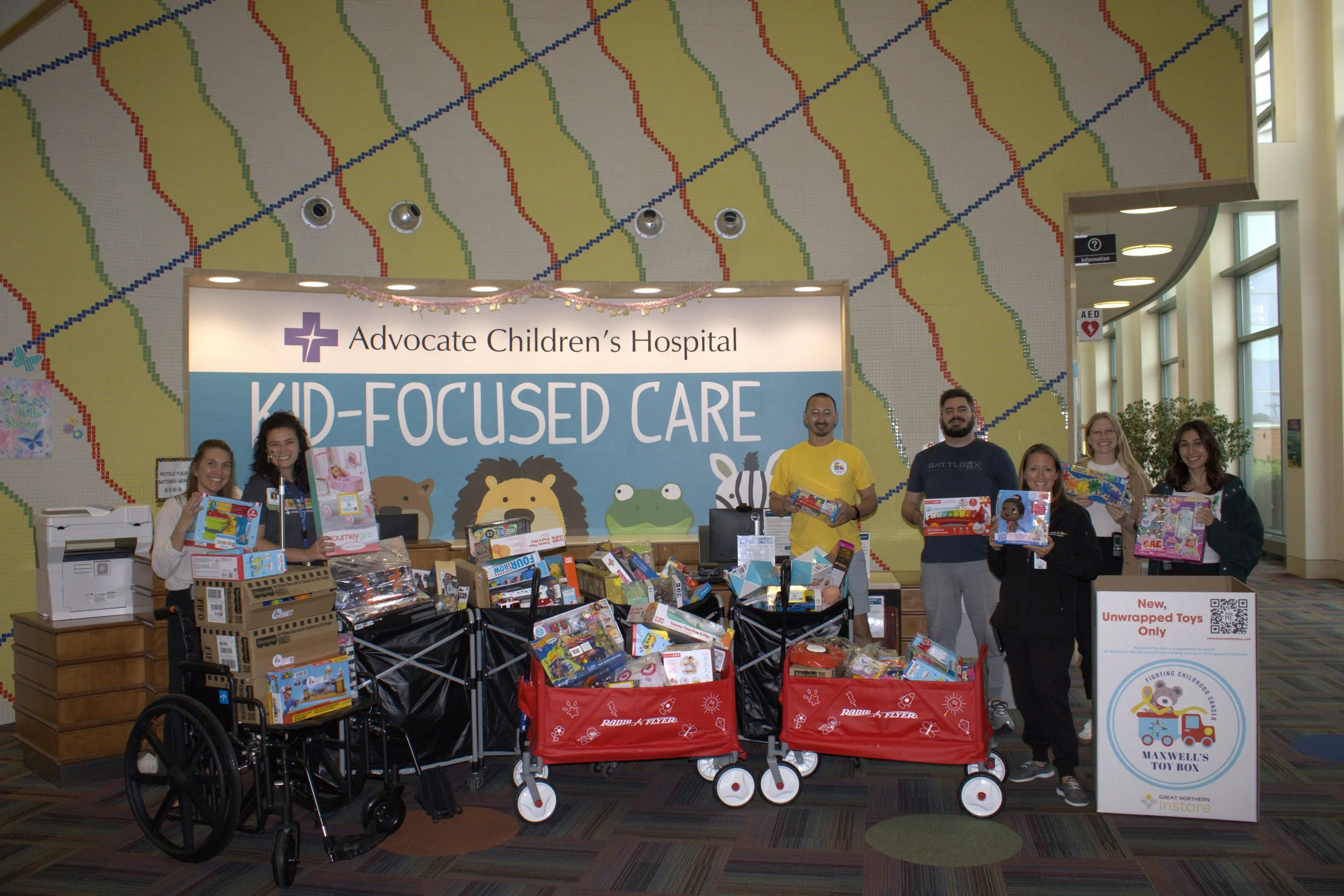
Real stories, big hearts, and why we show up for families every day.
Stories from the Toy Box

The 2 a.m. Google Search I Learned to Put Down
There is a moment familiar to almost every cancer parent. The house is quiet. The hospital bag is packed. Your child is finally asleep. Yet instead of resting, you find yourself staring into the glow of a phone screen, searching for answers that feel just out of reach.
In this heartfelt Cancer Mom Notes reflection, one mother shares the midnight habit that consumed her during the early months of treatment—and the unexpected lesson she learned from letting it go. This is a story about fear, control, exhaustion, and the gentle realization that not every question needs an immediate answer. Sometimes the bravest thing a parent can do is close the tab, trust the people caring for their child, and allow themselves a moment of rest.
For any parent who has ever found themselves scrolling through survival statistics at 2 a.m., this piece offers understanding, practical coping strategies, and a reminder that you do not have to carry every fear alone. Your child needs you tomorrow more than Google needs you tonight.

A Meal Train Guide That Works for Cancer Families
When a child is diagnosed with cancer, friends and family often ask the same question: "How can we help?" One of the most common answers is a meal train—and when done thoughtfully, it can become one of the most meaningful forms of support a family receives during treatment.
But after years of walking alongside pediatric cancer families, I've learned that the most helpful meal trains aren't necessarily the most elaborate. They're the ones built around the real needs of exhausted parents, children in treatment, and households trying to navigate an unpredictable schedule.
This guide shares practical advice from cancer families themselves on how to create a meal train that truly helps—from choosing the right foods and delivery methods to avoiding common mistakes and sustaining support long after the initial diagnosis. Because for families facing childhood cancer, a meal is never just a meal. It's a reminder that they don't have to carry the journey alone.

Scanxiety: The Four Weeks Before Every Scan (And How We Get Through Them)
When my son finished active leukemia treatment, I expected life to feel lighter. In many ways, it did. The hospital visits became less frequent, the infusion schedules disappeared, and our family slowly began rebuilding a more familiar routine. What I wasn't prepared for was the anxiety that arrived before every follow-up scan.
Many childhood cancer families know this feeling as scanxiety—the weeks of uncertainty leading up to a scan or appointment that could change everything. Even when treatment is over and a child is doing well, the fear of recurrence can quietly settle into everyday life, making it difficult to focus, sleep, or fully trust that things are okay.
In this article, I share what scanxiety has looked like for our family, why it is such a common experience among survivor parents, and the practical strategies that help us navigate the weeks leading up to each scan. For families living in the space between treatment and survivorship, it's a reminder that these feelings are normal—and that you don't have to carry them alone.
Something a Nurse Said to Me This Week
After four years of navigating childhood cancer treatment, I've learned that some of the most important lessons don't come from doctors, research papers, or treatment plans. They come from the nurses who spend day after day caring for children and quietly caring for their parents, too.
This week, during a routine clinic visit, a nurse said something simple that stopped me in my tracks. It wasn't medical advice or a major revelation. It was a gentle reminder about presence, attention, and what children need most from us in difficult moments.
In this Field Notes Friday reflection, I share a small interaction that stayed with me long after we left the clinic—a reminder that sometimes the most meaningful support comes in the form of a single sentence spoken at exactly the right time.
15 Sensory Toys That Work for Infusion Days (and Why Each One Helps)
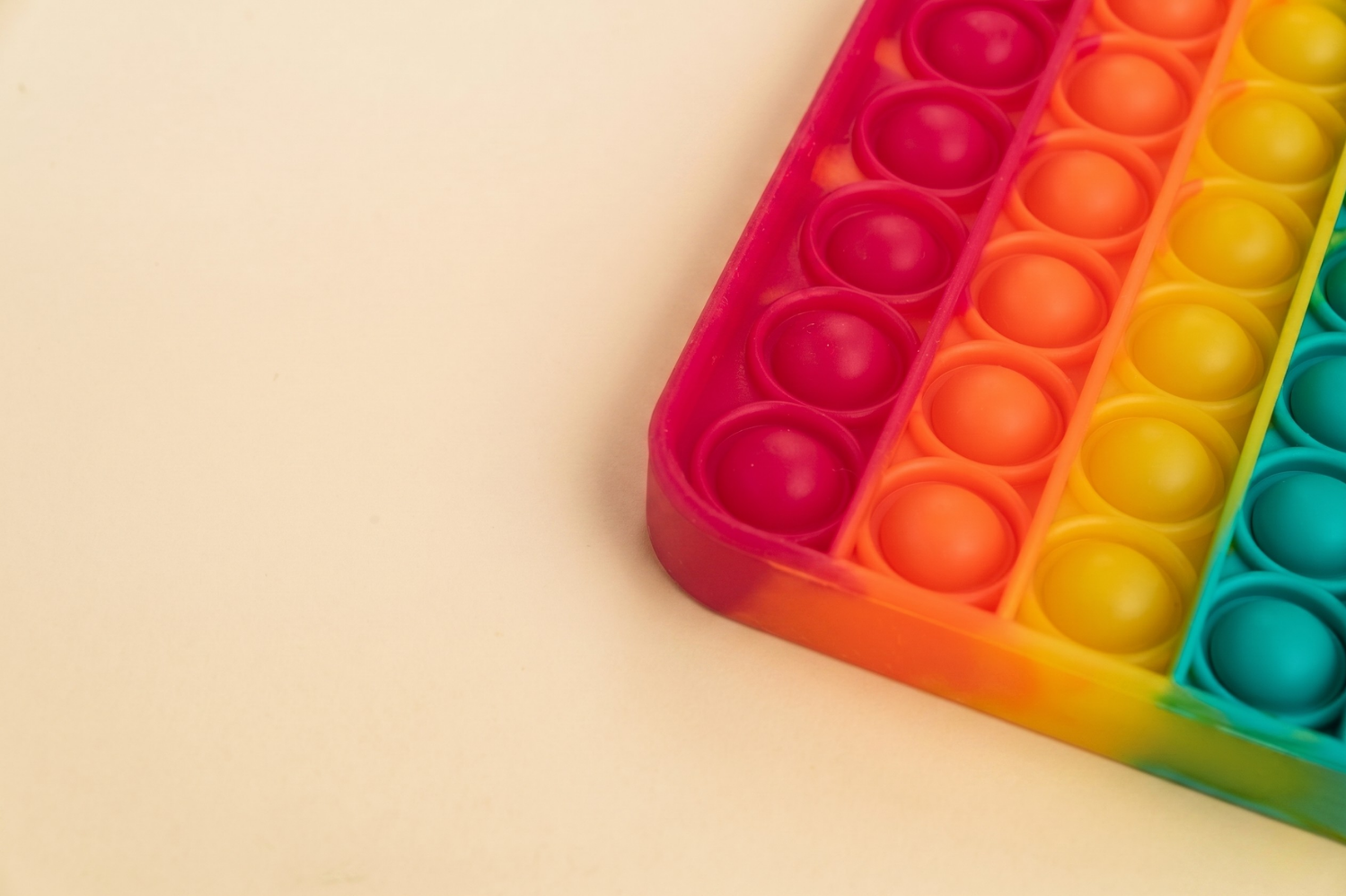
After spending countless hours in infusion rooms during my son's leukemia treatment, I learned that the right toy can make a difficult day feel a little more manageable. Long clinic visits often require children to sit still for hours while navigating procedures, unfamiliar sounds, and the emotional weight of treatment.
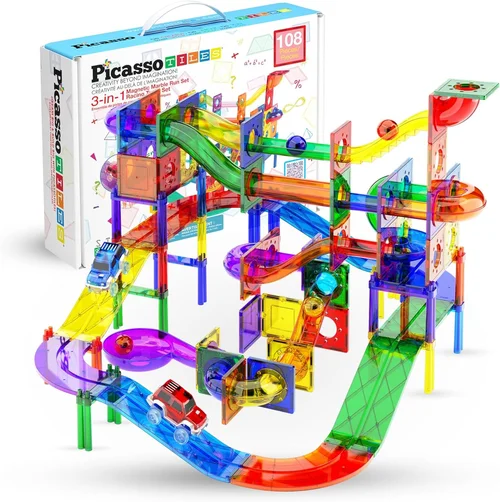
Sensory toys do more than keep children occupied—they provide comfort, encourage self-regulation, and give kids something familiar to focus on during overwhelming moments. From fidget toys and weighted plush animals to magnetic building sets and sensory balls, certain toys consistently help children stay engaged and calm throughout infusion days.
In this guide, we share 15 sensory toys that families, child life specialists, and pediatric oncology teams have found especially helpful during treatment. Whether you're packing for an upcoming infusion or looking for meaningful ways to support a child with cancer, these recommendations can help make long hospital days a little easier.
Cancer Siblings: A Guide for the Parent Trying to Hold Both
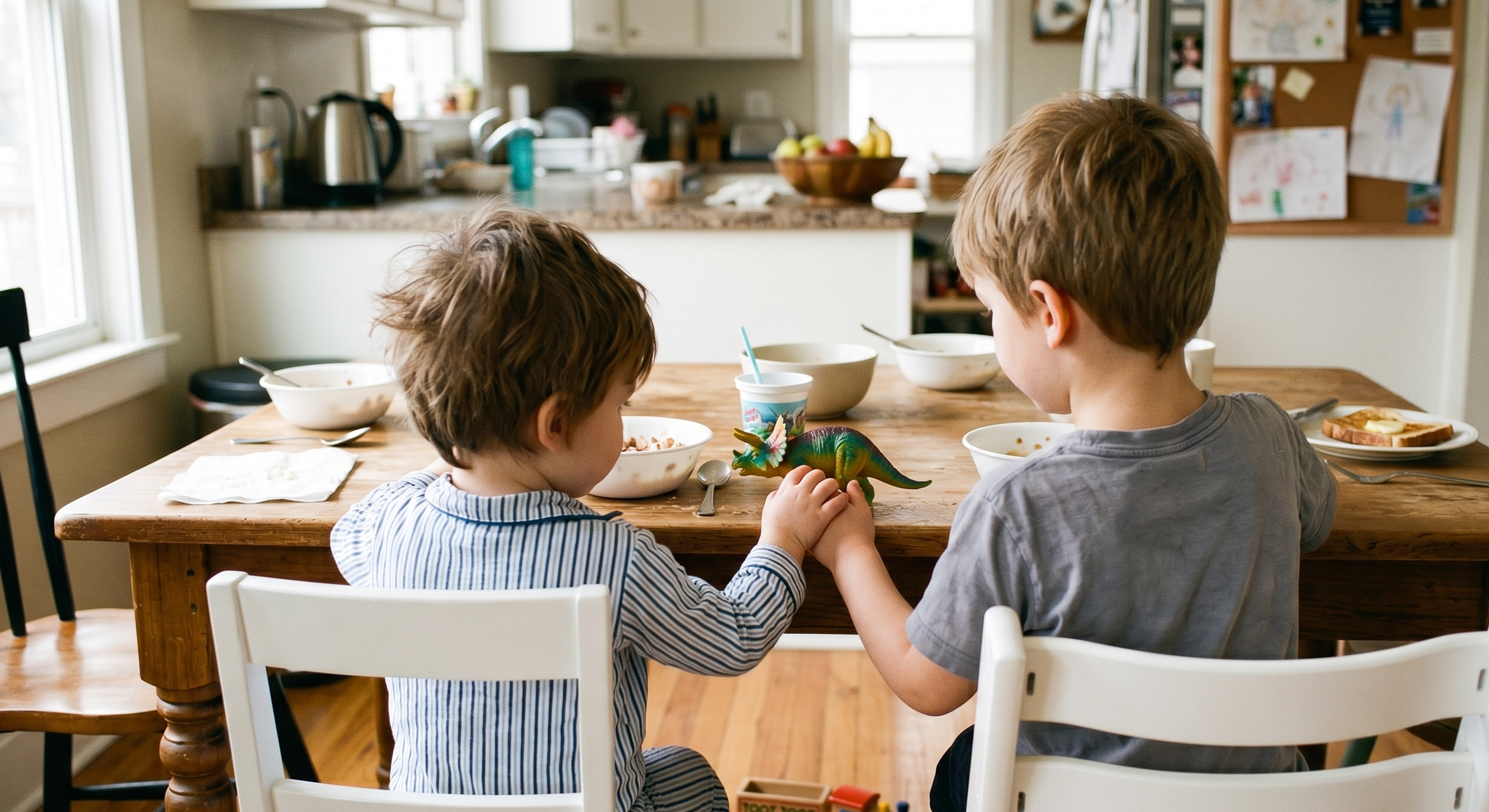
After my son was diagnosed with leukemia, I learned that childhood cancer affects more than the child in treatment. It changes life for the entire family, including the siblings who quietly adapt to hospital visits, disrupted routines, and parents stretched in multiple directions.
Cancer siblings often carry feelings and challenges that can be easy to overlook. This article explores ways parents can support both children during treatment and help siblings feel seen, included, and loved throughout the journey.
At Maxwell's Toy Box, we recognize that childhood cancer impacts the whole family. That's why every Newly Diagnosed Family Bag and Joy Package includes something for the sibling too—because every child deserves comfort, attention, and moments of joy.
I Counted My Son's Medical Appointments. The Number Wrecked Me.
After experiencing nearly 80–100 medical appointments during my son’s first year of leukemia treatment, I realized childhood cancer impacts far more than a child’s health — it completely reshapes daily family life around hospital visits, procedures, and ongoing emotional exhaustion. Maxwell’s Toy Box was created to help families navigate those difficult moments by providing meaningful support that brings comfort, distraction, and small moments of normalcy during pediatric cancer treatment.
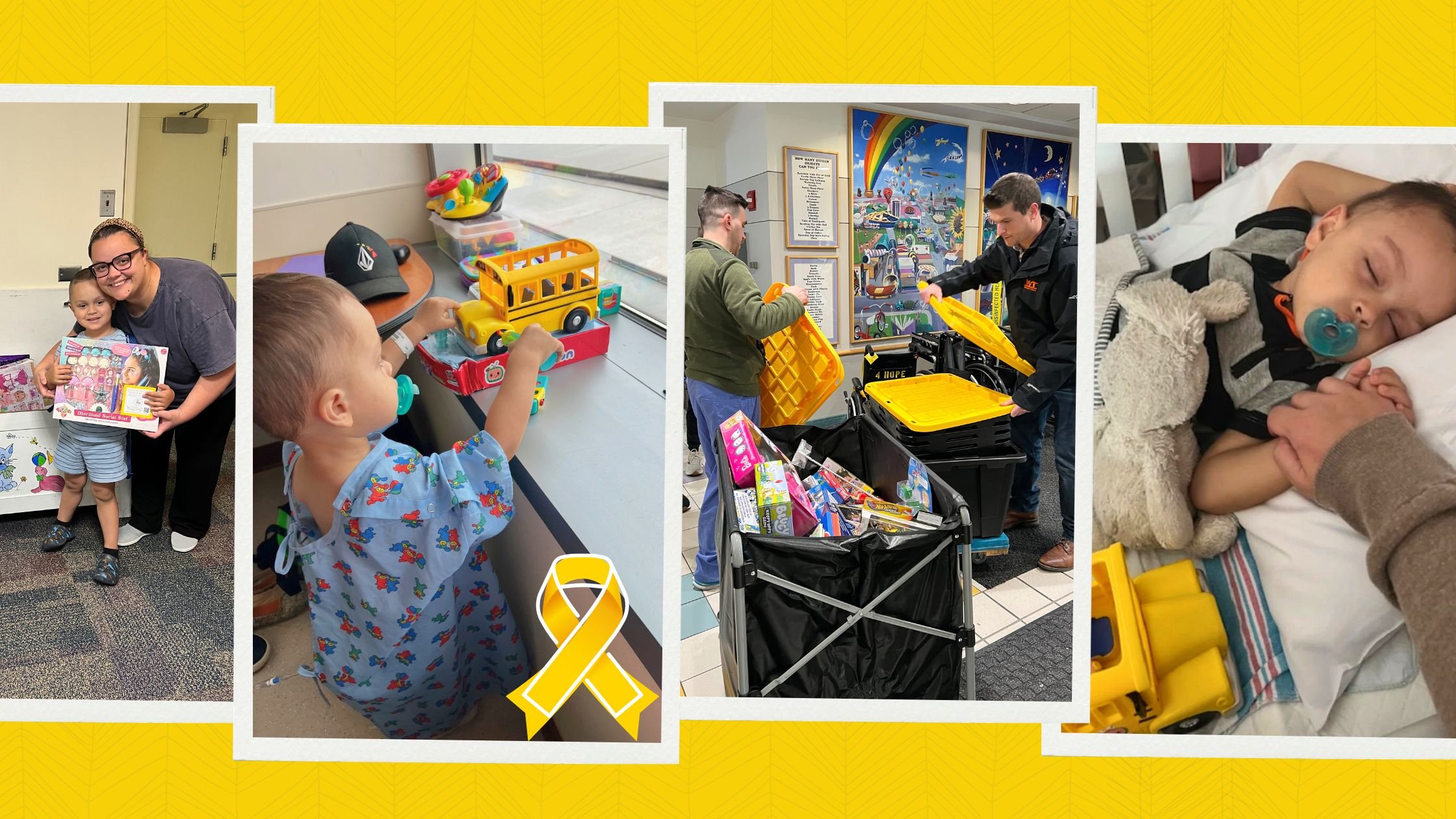
Bringing Joy and Hope this International Childhood Cancer Day
Today, on International Childhood Cancer Day, we pause to honor the courage of children and families affected by cancer. Each year, an estimated 400,000 children and adolescents worldwide are diagnosed with cancer.

From Hospital Rooms to Moments of Joy: The Heart Behind Maxwell’s Toy Shoppe
Every time you purchase a toy from Maxwell's Toys Box for a child you love, 100% of the proceeds fund a second toy delivered to a child receiving cancer treatment — just like Max.
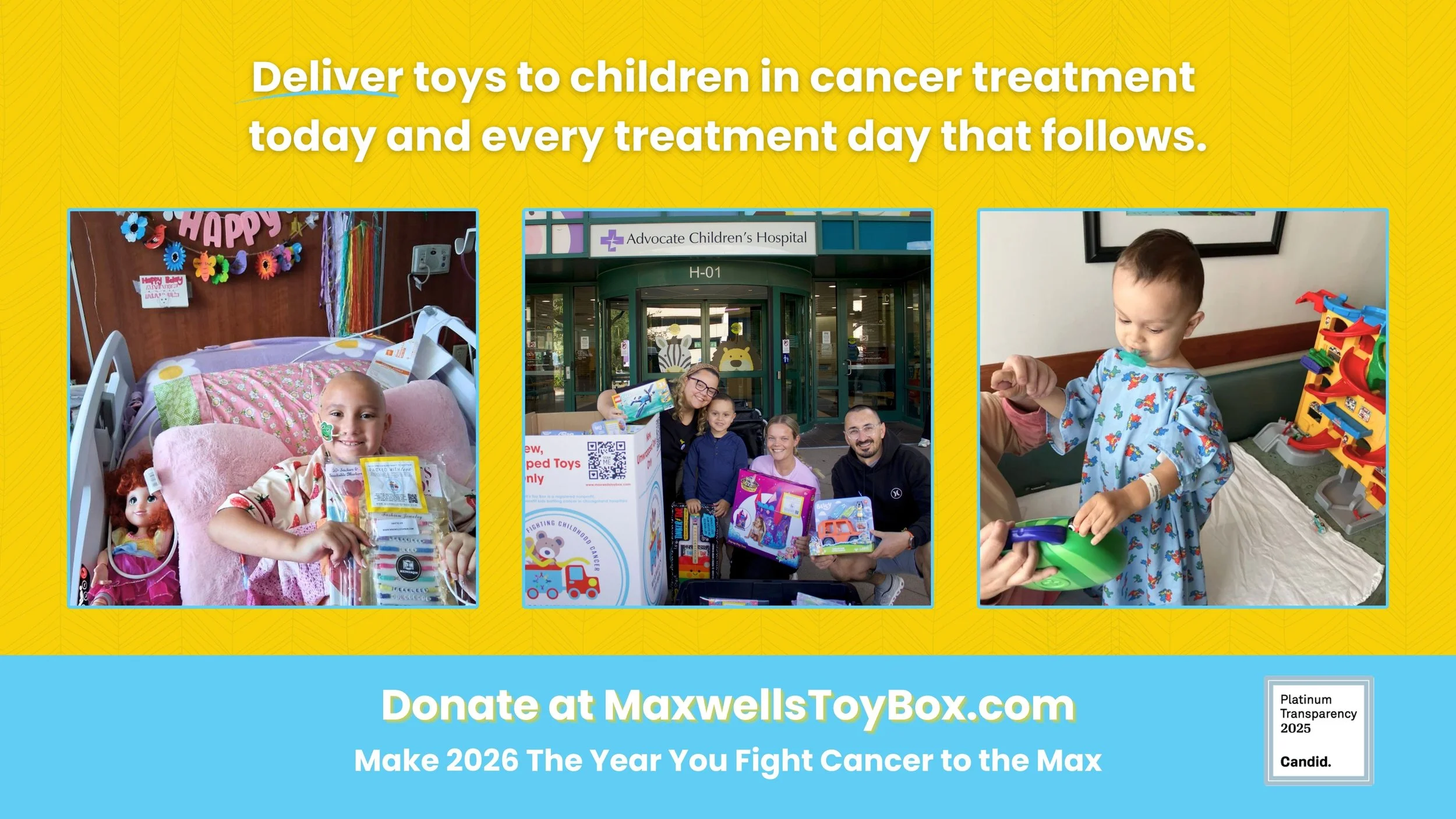
Make 2026 the Year You Fight Cancer to the Max. Children Need You Now.
When you support Maxwell’s Toy Box, you are doing something powerful in real time. You are bringing comfort, warmth, and hope directly to children in cancer treatment.
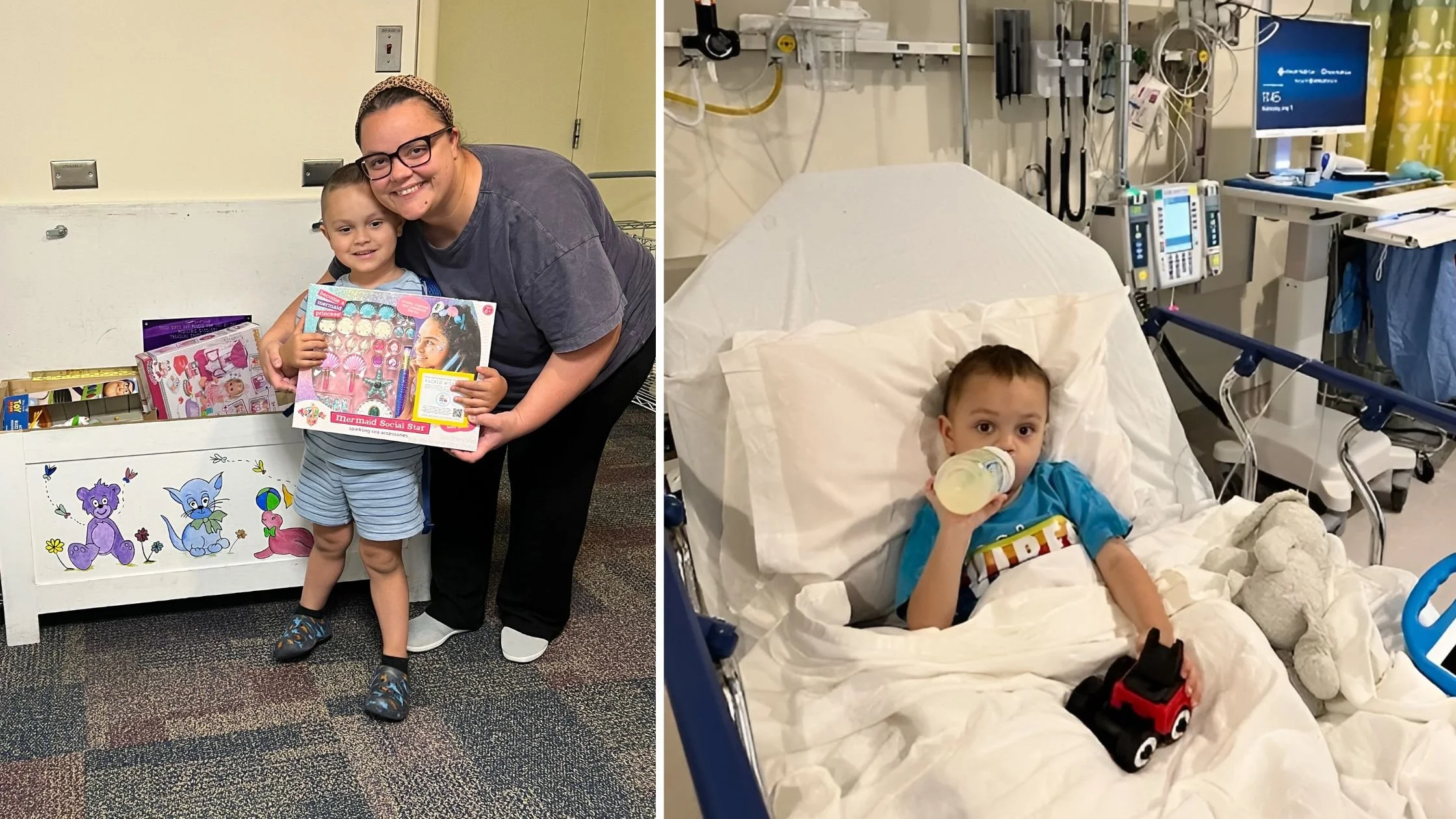
The Launch of Our NEW Resource Hub for Childhood Cancer Families
Maxwell’s Toy Box built the Resource Hub for Childhood Cancer to make life a little easier. Not because the information doesn’t exist — but because families deserve one simple, organized place to find it.
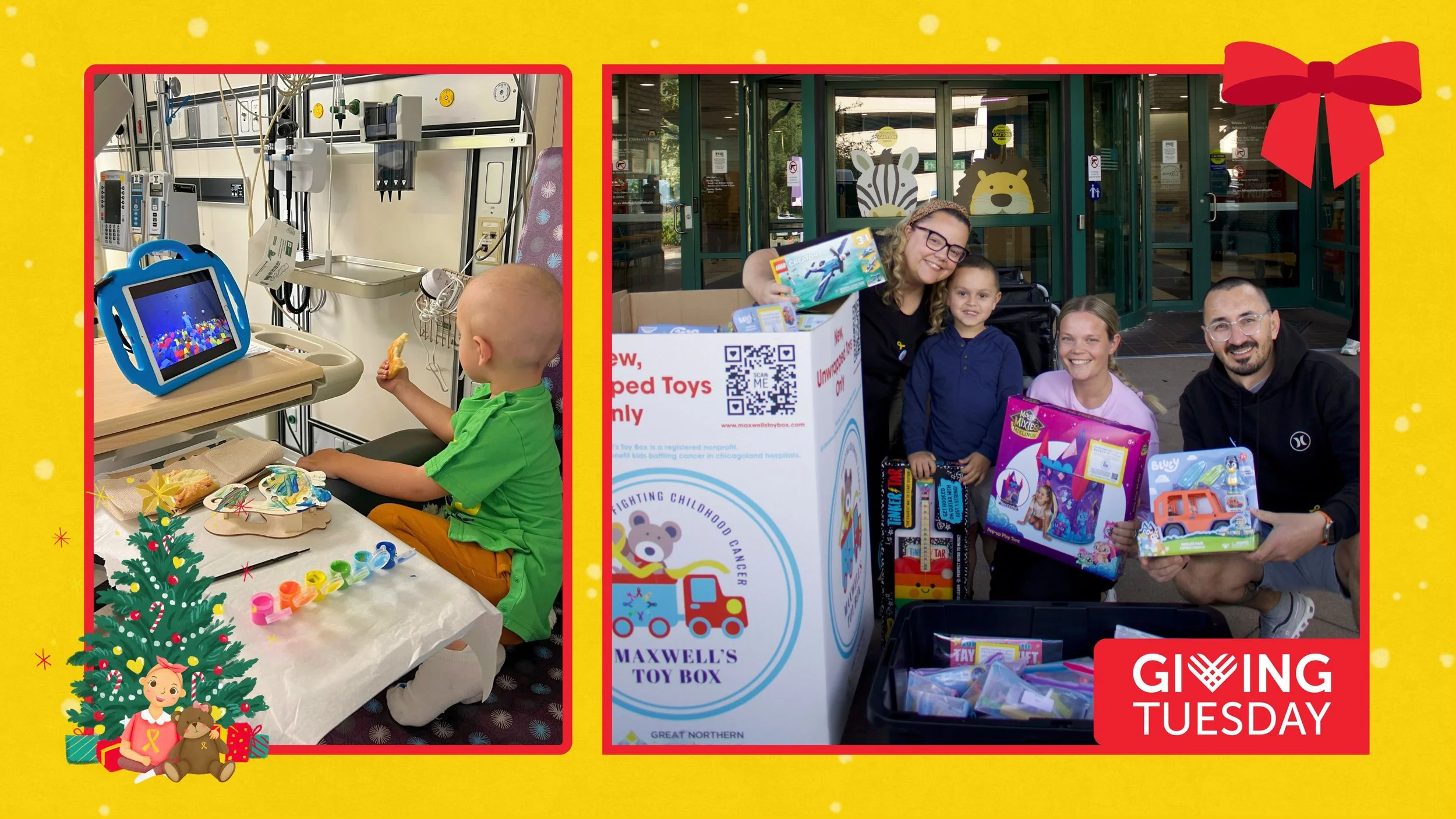
This GivingTuesday: Deliver Joy to Children in Cancer Treatment
This GivingTuesday, December 2, you can create real moments of hope for children fighting the hardest battle of their lives.

Give the Gift of Joy: Together We Can Fill Hospital Toy Shelves This Holiday Season
This holiday season, we’re working to raise $25,000 by December 31, 2025, so that our four partner children’s hospitals never run out of toys.

Joy Delivered: Shop Our Joy Package Amazon Wishlist October 20 to November 3
From October 20 – November 3, you’re invited to join us in delivering JOY to kids facing childhood cancer by supporting our Joy Package Amazon Wishlist.

It’s Childhood Cancer Awareness Month, and I’m Tired of Being Ignored: A Message From a Mother Deep In It
Before Max was diagnosed, I didn’t really understand what Childhood Cancer Awareness Month meant. It came and went like every other “awareness month.” I didn’t know the gold ribbon. I didn’t know the 8% statistic.
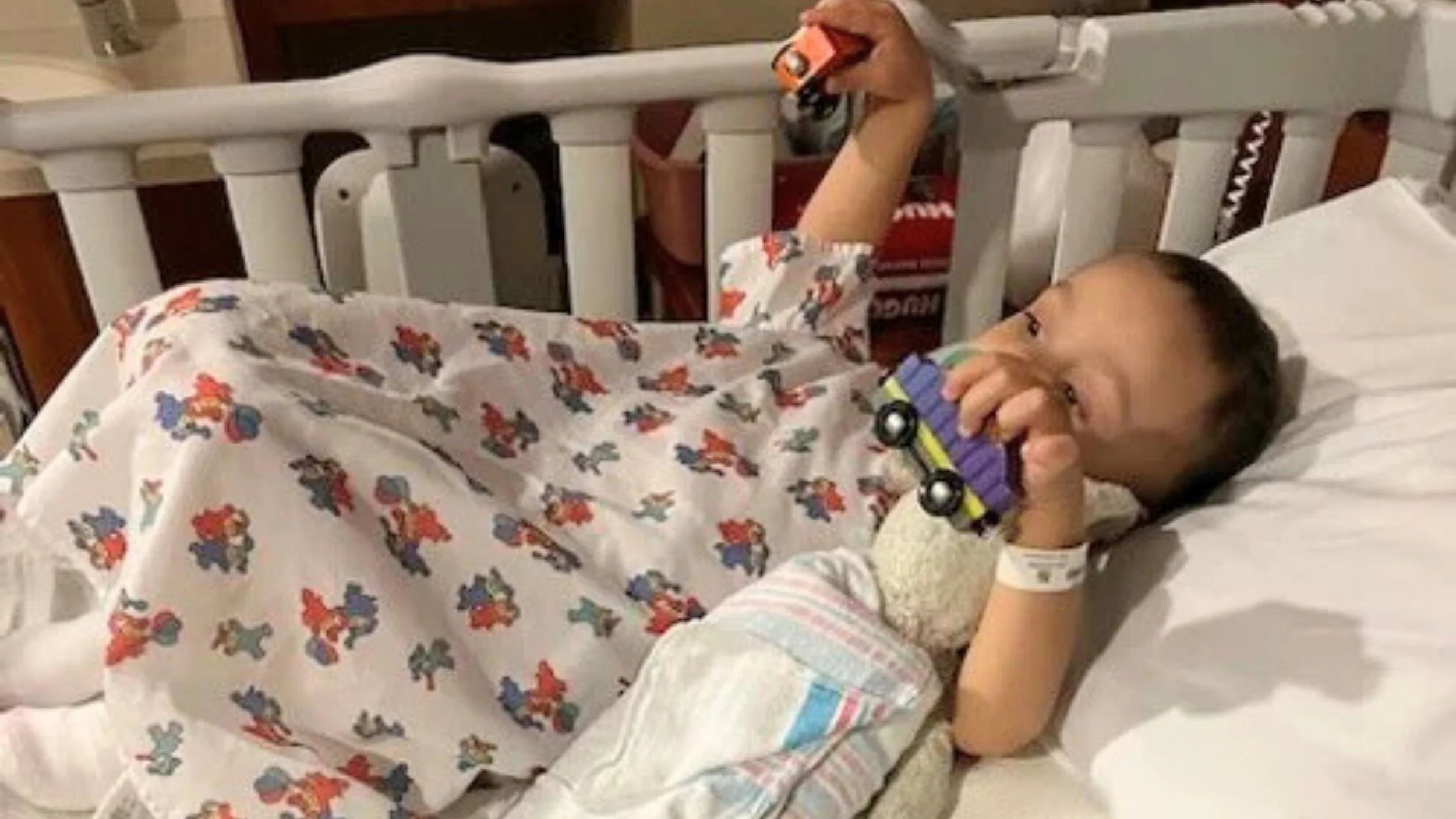
September is Childhood Cancer Awareness Month!
September is Childhood Cancer Awareness Month — and its meaning is profoundly personal for us. Stay tuned as we share more about this journey and ways you can provide support.
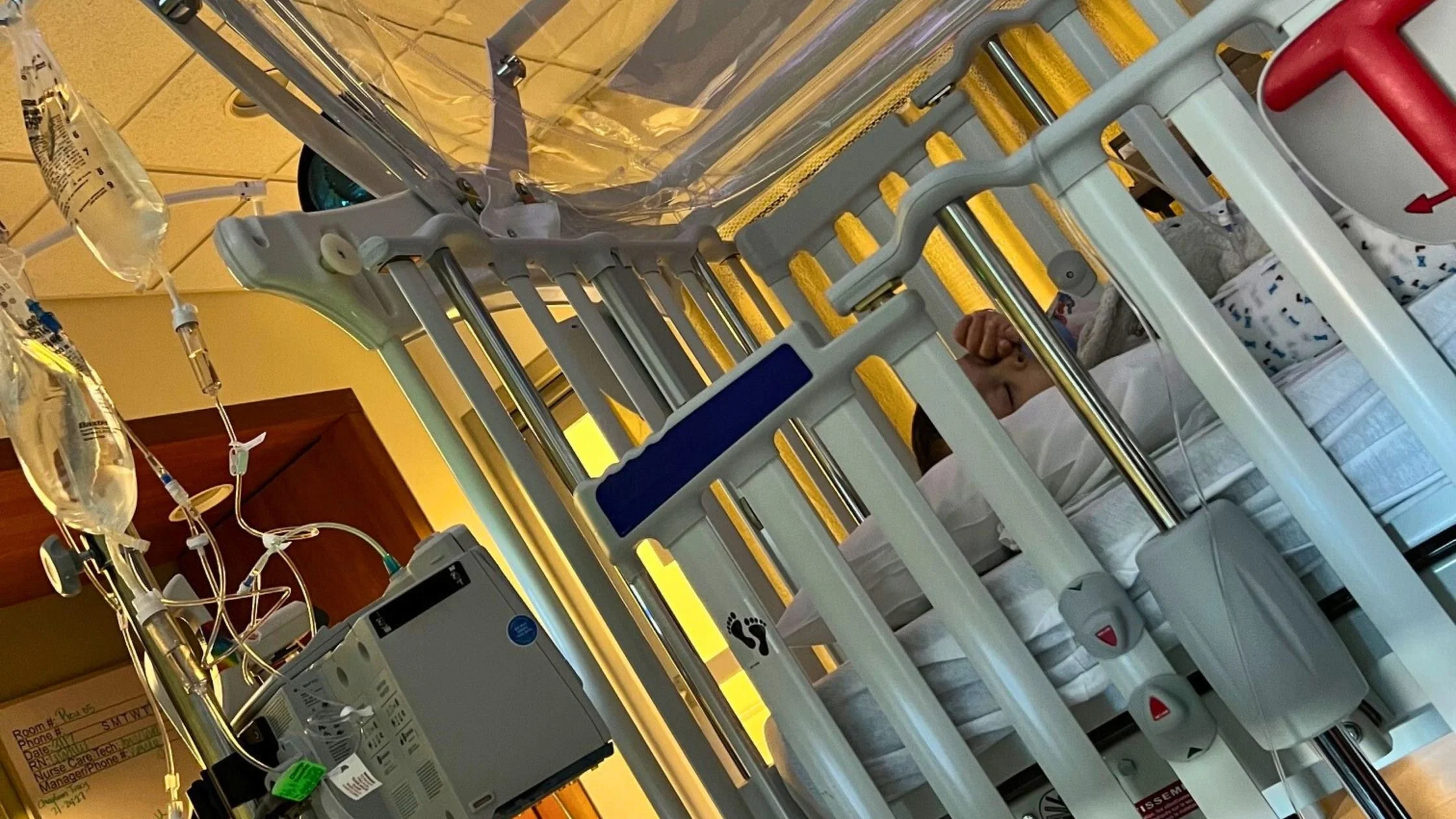
What I Didn't Know I Needed: A Mother’s Story Behind the Newly Diagnosed Family Bag
These moments inspired us to start Maxwell’s Toy Box, and why we created our Newly Diagnosed Family Bag — because no parent should face fear and confusion alone.
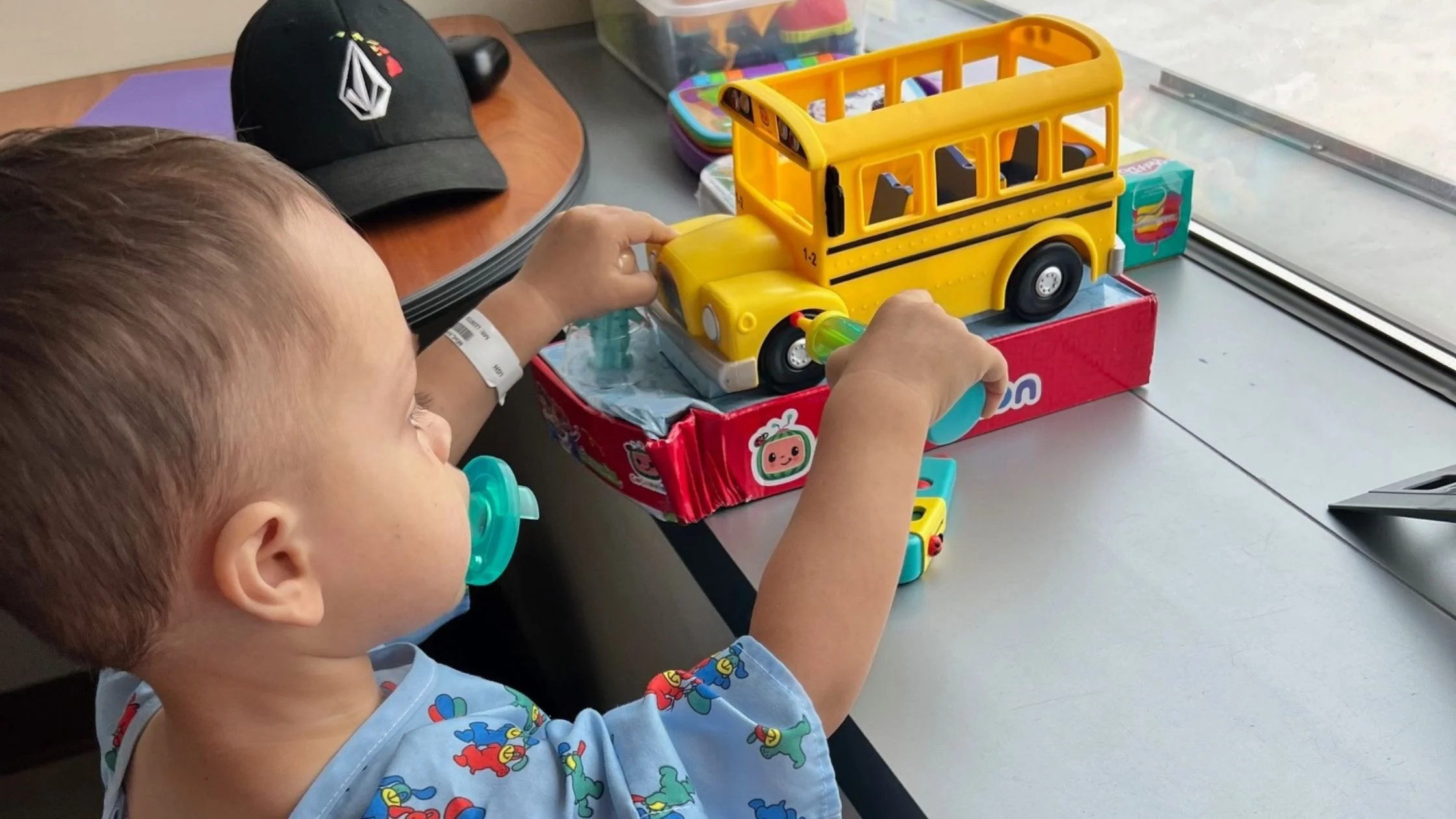
The Power of a Toy: What It Meant to My Son in Cancer Treatment and Why It Still Matters Today
When Max was first diagnosed and in the hospital, I remember the silence in the room. Then a child life therapist handed Max a toy. A yellow Cocomelon school bus, to be exact.
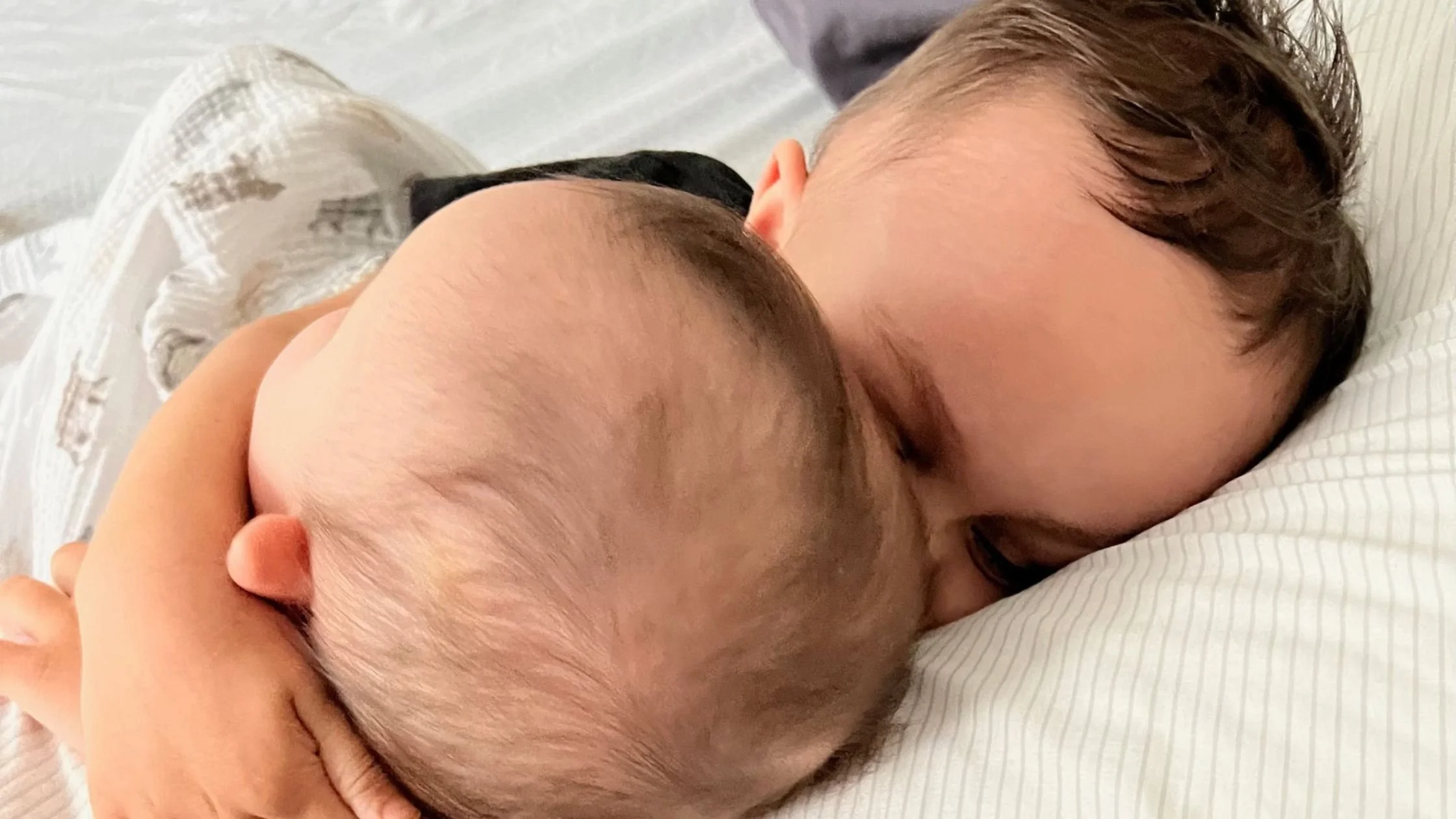
Don’t Forget the Cancer Siblings: The Quiet Heroes of Childhood Cancer
When Max was diagnosed with cancer, the world stopped for him. But our daughter Lenna was still here — just as confused, just as impacted, and just as in need of so much care.

Finding Joy and Light on the 4th of July While Facing Childhood Cancer
As you gather today with your friends and family, don’t forget to check in on family members with cancer. Keep reading to learn more about ways you and your family can celebrate during the 4th of July, all from the comfort of your home. If you know someone experiencing childhood cancer, we have tips for you, too!