Cancer Siblings: A Guide for the Parent Trying to Hold Both
There is a moment in every cancer family's first year when you realize that two of your children are going through this. Not just the one with the diagnosis. Both of them.
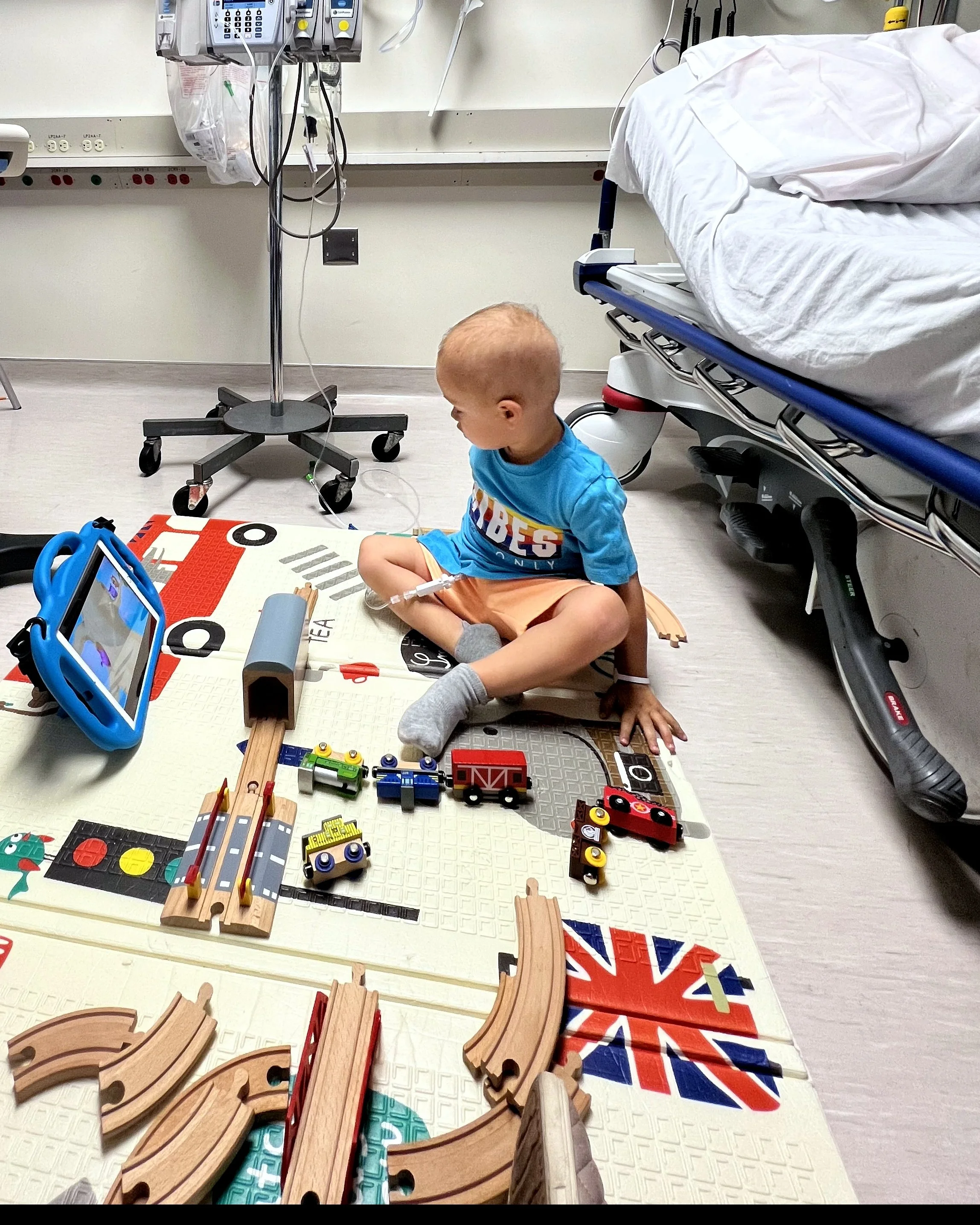
When my son was diagnosed with acute lymphoblastic leukemia, our daughter was six months old. She did not know what a hospital was. She did not know what a brother was, not in the way she does now. She knew the people in her family by warmth and smell and the sound of our voices. That was enough for a while.
It is not enough now. She is older. She has questions. She has feelings about a routine she did not ask for, and a brother whose appointments live on the family calendar, and a mom and dad who sometimes have to leave for the hospital before the sun comes up.
This post is for the parent reading this who is trying to hold both children at the same time. The one in treatment. The one in the waiting room. The one in the car seat on the way to clinic. The one at preschool drop-off, who said something at lunch yesterday that you are still thinking about.
What the cancer sibling experiences (that we sometimes miss)
The cancer sibling has lost something they cannot always name. They have lost the version of family life that existed before the diagnosis. They have lost a brother or sister who is sometimes here and sometimes not. They have lost a parent who is sometimes available and sometimes already three texts deep with the oncology team.
They have not lost your love. They know they are loved. What they have lost is predictability, and predictability is one of the things small children need most.
They notice everything. They notice when the calendar is full of appointments and when it is not. They notice when you whisper. They notice when you cry and pretend you did not. They notice when the person with cancer gets a present from a stranger and they do not.
They are not jealous of cancer. They are responding to a long stretch of attention that is, by necessity, not always on them.
What helped our family hold both children
Name the situation out loud, in language the sibling can hold
We told our daughter, in the simplest words we had, that her brother has a sickness called leukemia. That doctors are helping him get better. That sometimes we have to go to the hospital. That she is safe. That we love her the same when we are home and when we are at the hospital.
We have repeated some version of that script every few months. Children need to hear the truth in the same gentle words more than once. The script grows up with them.
Find a one-on-one rhythm and keep it
Once a week, one of us takes our daughter on a small one-on-one outing. The park. The grocery store, where she rides in the cart and chooses the apples. A walk after dinner. Sometimes it is fifteen minutes. Sometimes it is an hour. What matters is the consistency. The activity does not have to be special. The undivided attention does.
Give the sibling a job that is theirs
Our daughter has been the family's official sticker-finder for two years. When we are packing the hospital bag, she gets the stickers. They are her contribution. They are her way of being part of a hospital day she does not get to attend.
Children want to help. Giving them a small, real role inside a difficult season turns helplessness into participation.
Let big feelings have a soft place to land
If your sibling is angry, sad, withdrawn, or extra clingy, that is a normal response to a hard situation. We try not to fix the feelings. We try to make space for them. "It is okay to feel sad. I feel sad sometimes too. Want to sit with me for a minute?"
Loop in school, daycare, and care providers gently
Our daughter's teachers have known from the beginning. Not the full medical chart, but enough. They know our family is navigating something hard, and they know what kind of week we are in. That has meant a small heads-up on rough mornings, a gentle question at pickup, and a teacher who notices when she is off.
Bring the sibling into the story when you can
Some hospitals welcome siblings during certain visits. Ask. Even a short hello in the waiting room, a tour of the toy closet, a meet-and-greet with a child life specialist, can take some of the mystery out of where their sibling goes all the time.
A note for the people who love our family
If you know a cancer family, the sibling needs you too. A card with their name on it. A small package addressed to them. An invitation to a playdate so the parents can have an unbroken hour. The sibling has been doing brave, quiet work in the background of someone else's medical story. They deserve to be seen for it.
A note for the cancer parent reading this
You are not failing your other children. You are loving more than one person through a hard thing. Some weeks the math does not work. Some weeks one child gets more of you than the other, because that is what the week required. You can repair the small gaps. You can sit on the floor with the sibling at the end of the day and say, "I missed you." That sentence is enough more often than we think.
Our daughter is older now. She still asks why her brother has to go to the hospital so much. We still answer the same way, in slightly bigger words each time. She is part of this story. She always was.
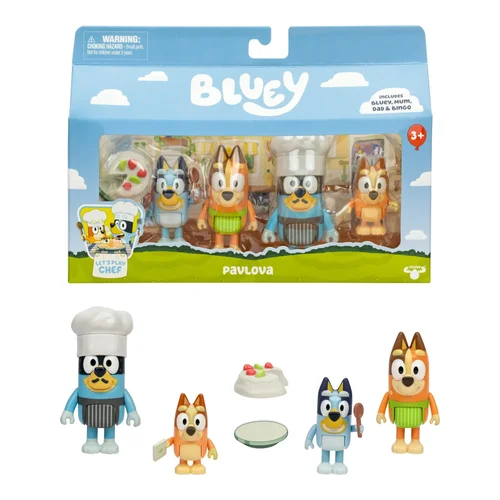
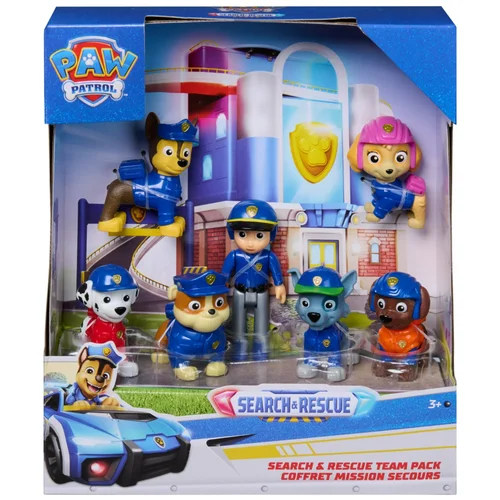
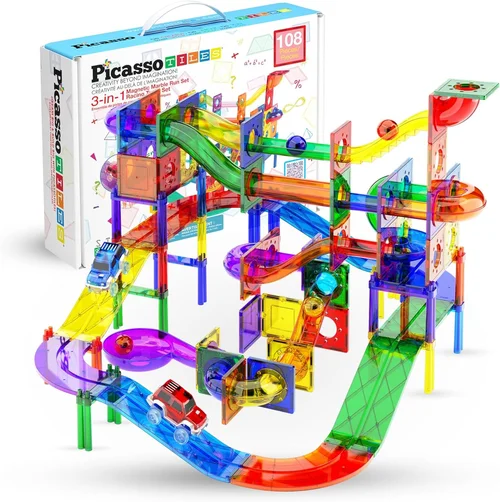
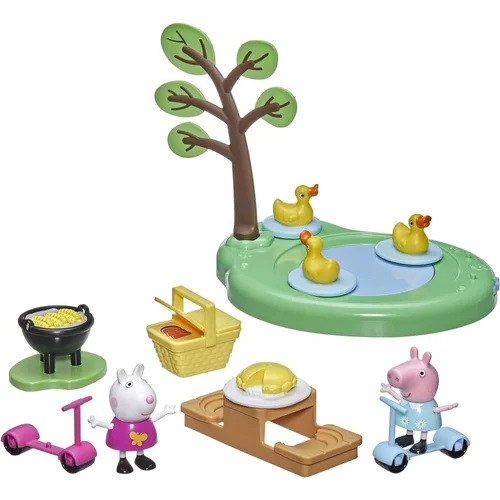
Maxwell's Toy Box includes a toy for the sibling in every Newly Diagnosed Family Bag and every Joy Package delivery. The sibling sees it. The parent feels seen. That detail came from families who told us, year after year, that the brother or sister in the waiting room was carrying something nobody had named.
Dina
Mom of Max | Founder, Maxwell’s Toy Shoppe
Childhood Cancer Advocate 💛
Follow Us On Social
Join our movement to support children battling cancer and their families, year-round:
🎁 Donate to deliver toys to children during long cancer treatment days
🧸 Buy a toy from Maxwell’s Toy Shoppe, and 100% of proceeds support children in treatment
🎗️ Join Maxwell’s Circle of Heroes as a monthly donor to ensure families receive ongoing care