15 Sensory Toys That Work for Infusion Days (and Why Each One Helps)
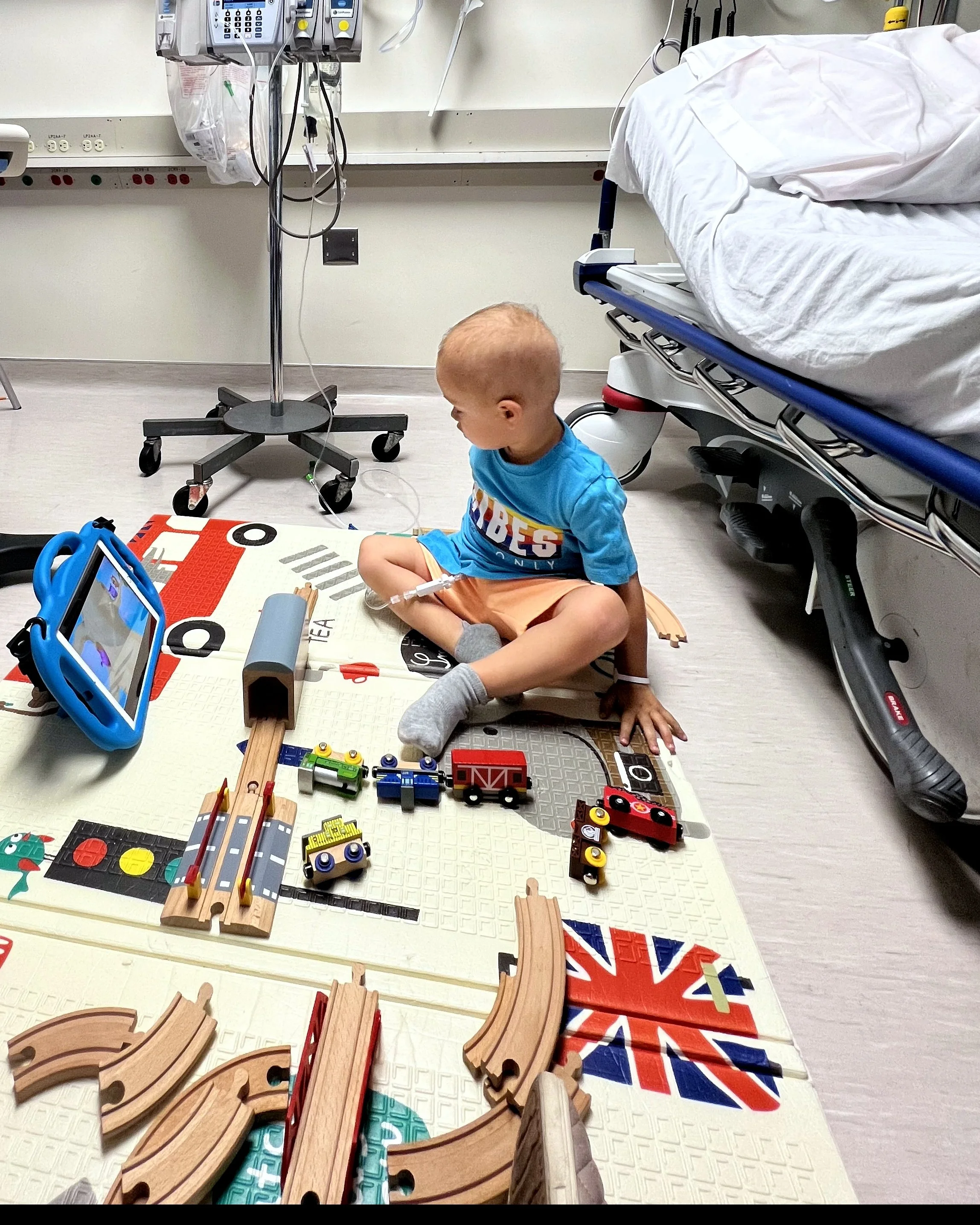
An infusion day is long. For a child receiving chemotherapy, the wait between vitals and IV start, the slow drip of the chemo itself, and the post-infusion observation can stretch four to six hours. For a small child, that is a very long time to sit in a chair with a needle in their port.
The right toy is not a distraction from treatment. It is the thing that lets treatment happen.
At Maxwell's Toy Box, we have spent four years learning which toys actually hold up in pediatric oncology clinics. Some of that learning came from our own infusion days with my son. Some came from the child life specialists who told us what works and what does not. Some came from the parents who shared what their child reached for again and again.
Here are 15 sensory toys that work for infusion days, with a brief note on why each one helps. Save this for the bag.
Why sensory toys, specifically
A child in active treatment is processing a lot at once. The chair is cold. The IV is taped to their hand or chest. There is beeping. There are nurses. There is a parent trying to seem normal.
Sensory toys give the nervous system something to do. The fidgeting hands, the soft tactile feedback, the small repetitive motions, these all help a child regulate without having to think about it. Child life specialists call this active distraction. Research backs this up. So do four years of clinic chairs.
The list
1. A weighted plush animal (small enough to hold)
Weighted plush gives the body a calming signal. The small ones travel well and tuck under an arm during a long drip.
2. A textured fidget cube
Multiple surfaces in one small object. Buttons to click, switches to flip, a soft ridge to run a thumb across. Great for the hand that is not occupied by an IV.
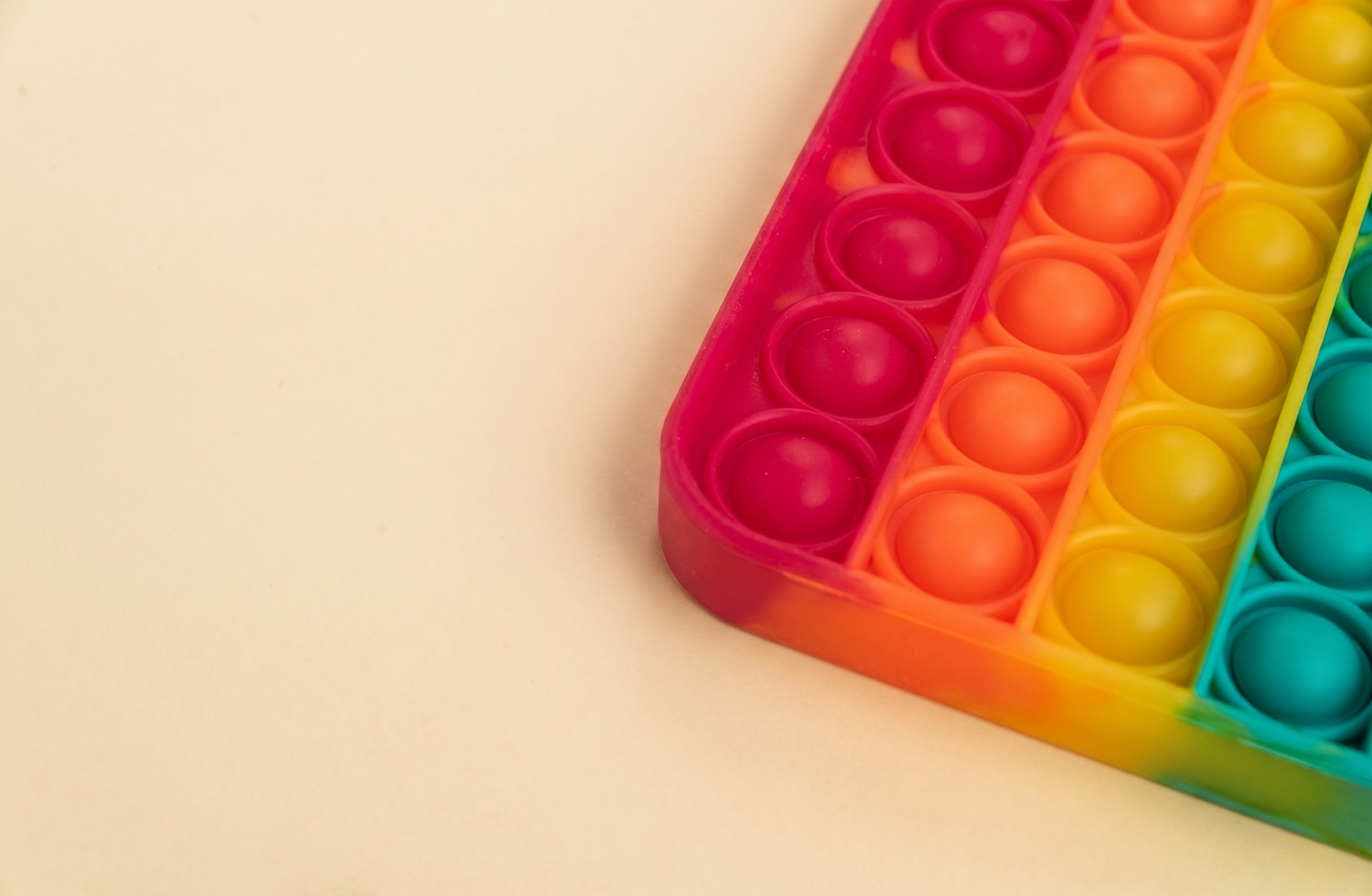
3. A pop-it toy
Quiet, repetitive, deeply satisfying. The kind of toy a child reaches for without thinking.
4. A Slinky
Quieter than it looks. The slow handover from one hand to the other is hypnotic for a tired child.
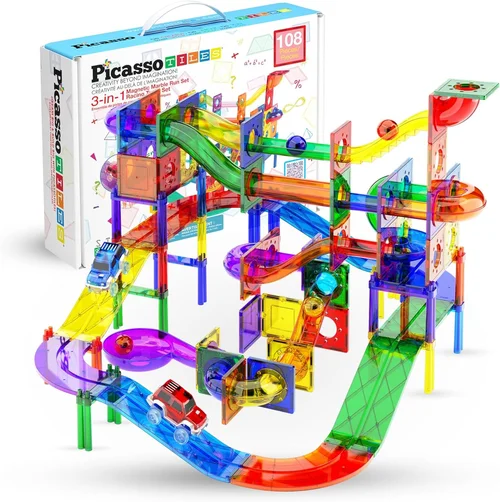
5. A small Magna-Tile set (10 to 15 pieces)
Open-ended, magnetic, no small loose parts to lose under the chair. A child can build, knock down, and start again for an hour.
6. Play-Doh in a small travel container
Tactile, quiet, occupies both hands. Hospitals usually allow sealed Play-Doh. Always confirm with your clinic if a child is neutropenic.
7. A water wow book
A paintbrush filled with water, reusable pages that color when wet and reset when dry. No mess. No spilled paint on the chair. Loved by toddlers and older kids alike.
8. A small etch-a-sketch or magnetic drawing pad
Same drawing experience without the cleanup. Perfect for the lap on a long drip.
9. A sensory ball that fits in a small hand
The squishy ones with the inner gel. Pressing, squeezing, rolling. A small full-body regulator in a 2-inch ball.
10. A finger puppet set
Storytelling, conversation, characters that come alive on the IV pole. Helps a child make sense of the space by playing in it.
11. A small mirror or kaleidoscope
Visual sensory tool. A kaleidoscope rewards attention with movement and color, no batteries needed.
12. Crayons and a coloring book chosen ahead of time
Familiar, low-effort, child-led. Pick the coloring book together the night before. Ownership of the activity matters.
13. Wikki Stix or bendable wax sticks
Quiet, mess-free, infinitely reconfigurable. A child can build a name, a face, a pretzel, a snake. They press into the tray of the chair without sticking permanently.
14. A small flashlight
Sounds odd. It is not. Children love shining a flashlight on the ceiling. It is a tiny act of agency in a room where they have very little control.
15. A bubble wand with non-spill bubbles
Bubbles regulate breathing. Slow exhale, slow inhale. A child life specialist taught us this. It works.
A few notes on safety and protocol
Always check with your child's care team about toys for neutropenic days. Some clinics ask for new or sanitized items only.
Wipeable surfaces are your friend. Plush toys should be machine washable on hot.
Small parts can be a choking hazard for younger siblings. Pack accordingly if a sibling is coming along.
Battery-operated noise toys are usually a no in clinic. Quiet toys win the room.
Where this list came from
Most of these toys are items we have sent to children in pediatric oncology treatment through Joy Packages and Toy Closet deliveries. The ones our partner hospitals reorder again and again are the ones on this list. We did not invent this list. The kids did.
Dina
Mom of Max | Founder, Maxwell’s Toy Shoppe
Childhood Cancer Advocate 💛
Follow Us On Social
Join our movement to support children battling cancer and their families, year-round:
🎁 Donate to deliver toys to children during long cancer treatment days
🧸 Buy a toy from Maxwell’s Toy Shoppe, and 100% of proceeds support children in treatment
🎗️ Join Maxwell’s Circle of Heroes as a monthly donor to ensure families receive ongoing care