A Meal Train Guide That Works for Cancer Families
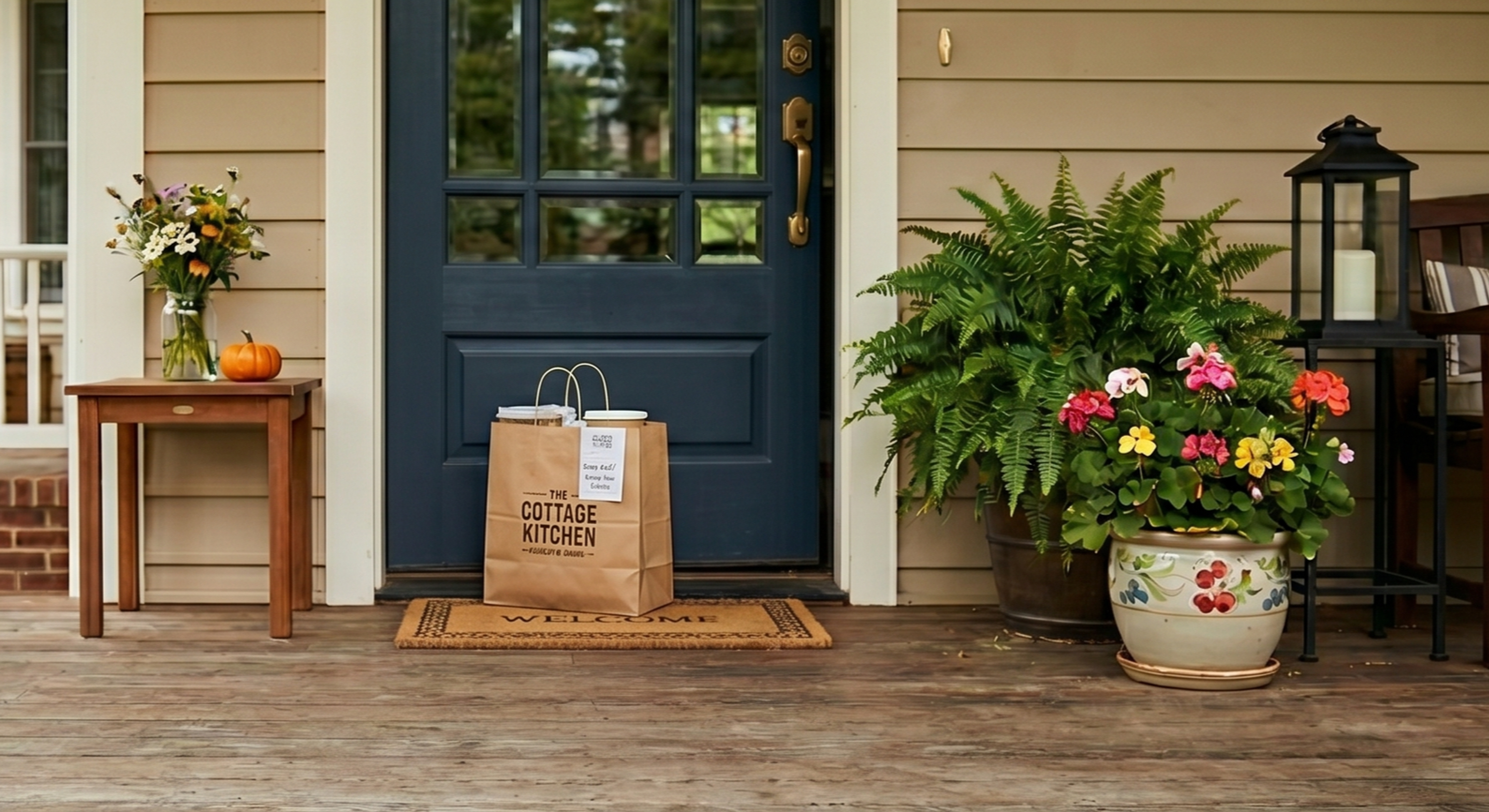
When a family receives a pediatric cancer diagnosis, one of the first acts of community kindness is often the meal train. A spreadsheet shows up. A signup sheet appears in a group chat. Friends and neighbors volunteer to drop off dinners.
This is one of the most loving things a community can do for a cancer family. It also, with the best intentions in the world, sometimes does not land the way the organizers hope it will.
This guide is for the friend, the church group, the neighbor, the coworker, the school parent committee who is starting a meal train for a family with a child in treatment. Most of what is in here came from cancer parents themselves.
Before you start the meal train
Ask the family one yes-or-no question
"Would a meal train be helpful right now, or would you rather we help in another way?" Some families want meals. Some prefer gift cards. Some prefer help with errands. Asking takes 30 seconds and gives the family agency.
If yes, find out four things
Allergies, dietary restrictions, and foods anyone in the household will not eat. (Chemo can change a child's taste preferences week to week.)
How they want food delivered. Drop on porch, ring the doorbell, text on arrival, or hand it through the door.
Best drop-off times. Many cancer families have unpredictable schedules around hospital days.
How long they want the meal train to run. The first month? Three months? Through end of treatment? Open-ended is fine. Asking is better than guessing.
What to deliver
Aim for full-family meals, not gourmet single dishes
Cancer families are tired. They have a child in treatment, possibly siblings, two parents who are exhausted, and sometimes grandparents staying over. A meal that feeds 4 to 6 with leftovers is more useful than a beautiful dinner for two.
Disposable containers, every time
Returning dishes is a small task that becomes a real burden when a family is managing 10 dishes from 10 different friends. Use foil pans, take-out containers, or anything that can be recycled or tossed.
Pack the kid food separately
If you are bringing a fancy curry the adults will love, also pack a Tupperware of plain pasta or chicken nuggets for the child. Treatment kids often want familiar, simple foods. A separate kid-friendly option means the parents do not have to cook a second dinner.
Label everything
Date, contents, allergens, reheating instructions. A masking-tape label and a Sharpie are enough. The family will be grateful.
Add something that is not dinner
A loaf of bread for tomorrow's toast. A bag of fruit. A snack pack for the hospital bag. A box of granola bars for the car. Cancer families are also dealing with the rest of the week, not just one dinner.
What NOT to bring
Anything that requires assembly at delivery. (Tacos with eight separate components are a project for an already tired parent.)
Anything that needs to be eaten same day. Cancer families' meal plans get derailed constantly. Frozen options are gold.
Strong-smelling foods that may bother a child on chemo. (Treatment can make kids extra sensitive to smells.)
Anything that requires a return text or follow-up question. "Did you like it?" puts work on the family.
The delivery itself
Drop and go, unless invited in
Cancer families often are not up for visitors. They love that you came. They may not be able to stand in the doorway and chat for ten minutes. A drop-off at the porch with a quick text saying "food is at the door" is often perfect. Wait for the family to invite you in. They will, sometimes. Other times they will be in the hospital, or asleep, or just at the end of their bandwidth.
Do not photograph yourself dropping off the meal
This sounds obvious, and yet. The meal is for the family, not for your feed. If you want to share that you supported a cancer family, do it in words after the season is over, with the family's permission.
How to keep a meal train going for the long haul
Most meal trains burn bright for the first month and fade by month three. Childhood cancer treatment lasts months or years.
The strongest meal trains we have seen are ones where a small core of friends commits to the long haul. One person every other Wednesday for six months is more useful than ten people in the first three weeks.
If you are organizing, ask volunteers to commit to a specific weekday for a specific window. Build it like a subscription, not a sprint.
What this becomes for the family
A meal train is not just food. It is a regular, gentle reminder that your community sees you. It is a Tuesday evening when the doorbell rings and a hot pan is waiting and your family does not have to think about dinner.
It is the smell of someone else's lasagna, on a night when you would not have managed lasagna.
It is, in the kindest possible way, your community saying: we are with you for a long time.
If you are a cancer family reading this and you want to share it with a group that is organizing a meal train for you, please do. You can also forward this directly to the friend setting it up. It will land kindly. They want to help and they want to get it right.
Dina
Mom of Max | Founder, Maxwell’s Toy Shoppe
Childhood Cancer Advocate 💛
Follow Us On Social
Join our movement to support children battling cancer and their families, year-round:
🎁 Donate to deliver toys to children during long cancer treatment days
🧸 Buy a toy from Maxwell’s Toy Shoppe, and 100% of proceeds support children in treatment
🎗️ Join Maxwell’s Circle of Heroes as a monthly donor to ensure families receive ongoing care