A Note for the Cancer Dad
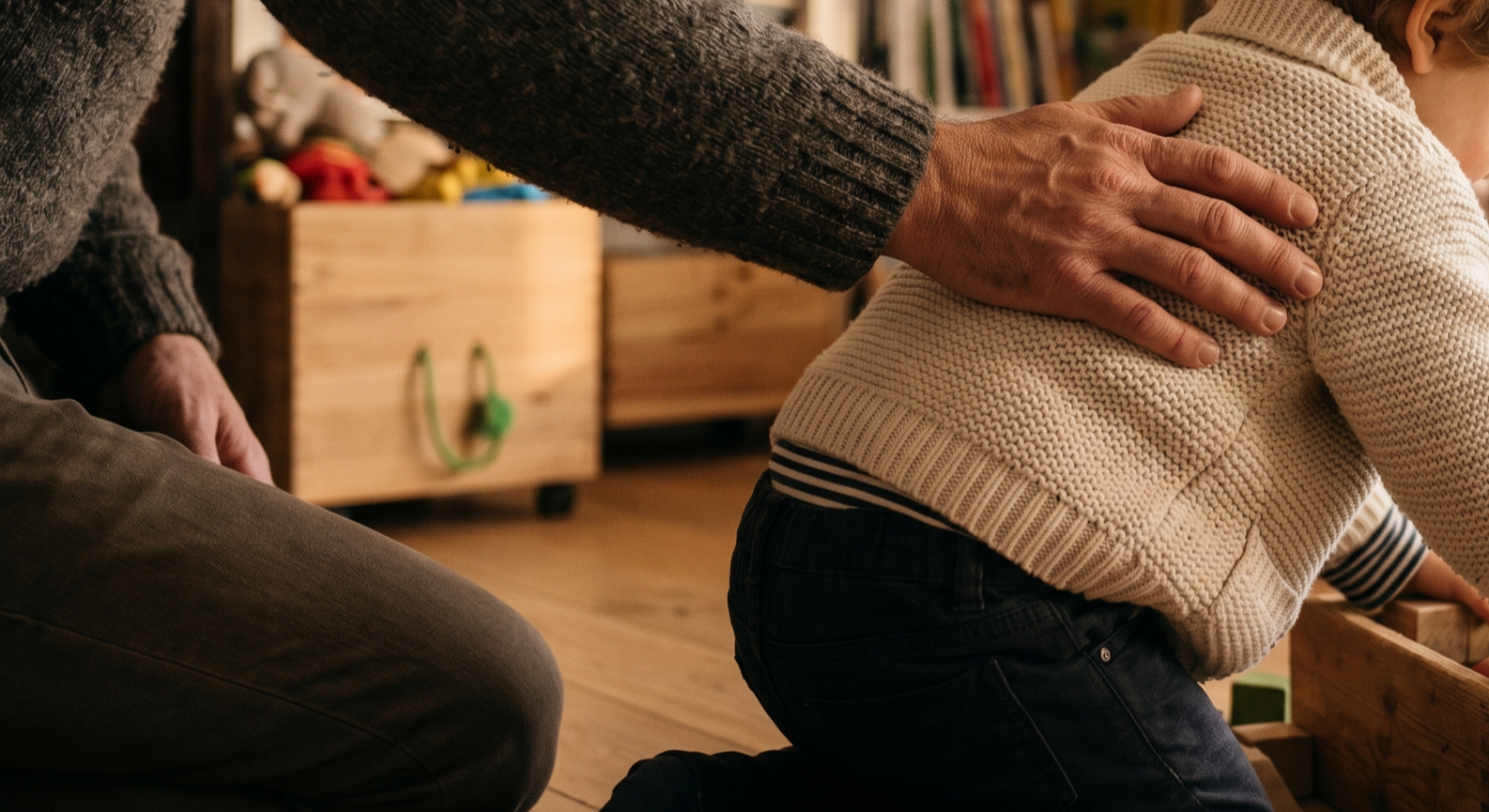
This post is for the cancer dad. The father whose child was diagnosed with cancer. The dad who has, for months or years, been carrying things that nobody has asked about.
I am writing as a cancer mom. I am married to a cancer dad. My husband has been my partner through this entire treatment, and I have watched him carry parts of this that the rest of the world has, by habit, looked past.
Cancer moms get written about. Cancer dads do not. I want to write about you for a minute.
What we know about cancer dads
When a child is diagnosed with cancer, the questions tend to flow toward the mother first. "How is your wife?" "Tell her we are praying for her." "Let me know what your wife needs." The dad is right there, often holding the same diagnosis, and his name does not always come up in the same sentence.
Cancer dads I know have described the experience as a kind of present-but-invisible role. They are at every appointment. They are in the parking lot at 5 a.m. They are sleeping in the recliner next to the hospital bed. They are working full-time, often to keep the family's insurance. They are answering the texts. They are returning the casserole dishes. And they are doing all of it without much of the language or community that has been built up around cancer motherhood.
The specific things cancer dads carry
The provider weight
In many families, the father is the one who continues working through treatment. This is often because the mother becomes the primary caregiver, or because the family needs the insurance, or because of how their particular household worked before diagnosis. There is no version of this that is fair. The provider role during pediatric cancer means working a full day, then driving to the hospital, then trying to be a father, then doing it again.
The strong-silent expectation
Friends and family often look to the father for reports. "How is everyone holding up?" Cancer dads I know have learned to give the smooth answer because the people asking are often not equipped to handle the longer one. This is exhausting in a way that compounds quietly.
The marriage weight
Marriages strain during pediatric cancer. The father is often holding pieces of that strain by himself, while also trying to support his spouse, who is in the chair holding the diagnosed child. He is grieving too. He often does not have a place to put it.
The fatherhood reshaping
Cancer dads I know describe a quiet rewriting of what fatherhood looks like for them. The hobbies pause. The friendships pause. The fishing trips and the golf and the post-work beers become things they used to have. In their place is a calendar full of clinic days and an emotional vocabulary that they did not get a chance to develop in advance.
What I have watched my husband do
He has held our son through every port access for four years. He has memorized the exact way to hold a small chest still during a needle. He has learned to read CBC results before our nurse explains them. He has carried our daughter on his shoulders home from the park while I was at the hospital with our son. He has texted me from the parking lot of the office at lunch to ask if I have eaten.
He has done this quietly. He has done this without being asked. He has done this without anyone writing about him in particular.
I want to write about him in particular.
A note for the cancer dad reading this
If you are a father of a child in cancer treatment, this is what I want you to know.
What you are carrying is real. The provider weight is real. The marriage weight is real. The being-invisible-while-being-essential weight is real. You are not imagining it.
You do not have to be smooth. You do not have to be the steady one for everyone else. There are cancer dads in this community who would love to hear from you. Stupid Cancer has dad support groups. There are pediatric oncology dad-specific Facebook groups. Your local hospital social worker likely knows of dad-specific resources. You do not have to do this on your own.
If you cannot bring yourself to a group, here is a smaller thing. Find one other cancer dad and have one honest conversation. The first sentence is the hardest. The second one is easier. The third one is the one that starts to land.
A note for the people who love cancer families
If you know a family with a child in cancer treatment, the cancer dad is part of that family, and he is probably not getting checked on the same way the cancer mom is. Send him a text. Not a "how is your wife?" text. A "how are you doing today?" text. With his name on it.
If you are a friend of a cancer dad, take him out. A coffee. A walk. A game on a Sunday afternoon. Not to fix anything. Just to be next to him while he is being a person who is not a caregiver for an hour.
If you are a coworker of a cancer dad, the smallest gesture lands. "I am glad you are here. I am sorry your family is going through this. Let me know if you want company at lunch." That sentence is enough.
A small love letter
Cancer dads, you have been holding more than the world has asked about. Your kindness, your steadiness, your unglamorous Tuesday-morning showing up, all of it has built a thousand small things that the rest of us have benefited from.
We see you. Your child sees you. Your partner sees you. The cancer mom community sees you and is grateful for you.
Thank you for being one of the people who showed up.
If you are a cancer dad reading this and you have something to say, we would love to hear it. Maxwell's Toy Box is starting a 'For the Cancer Dad' series as part of our blog. Reach out at maxwellstoybox.com/contact-us.
Dina
Mom of Max | Founder, Maxwell’s Toy Shoppe
Childhood Cancer Advocate 💛
Follow Us On Social
Join our movement to support children battling cancer and their families, year-round:
🎁 Donate to deliver toys to children during long cancer treatment days
🧸 Buy a toy from Maxwell’s Toy Shoppe, and 100% of proceeds support children in treatment
🎗️ Join Maxwell’s Circle of Heroes as a monthly donor to ensure families receive ongoing care