Calm Play, Distraction Play, Recovery Play: Matching the Toy to the Moment
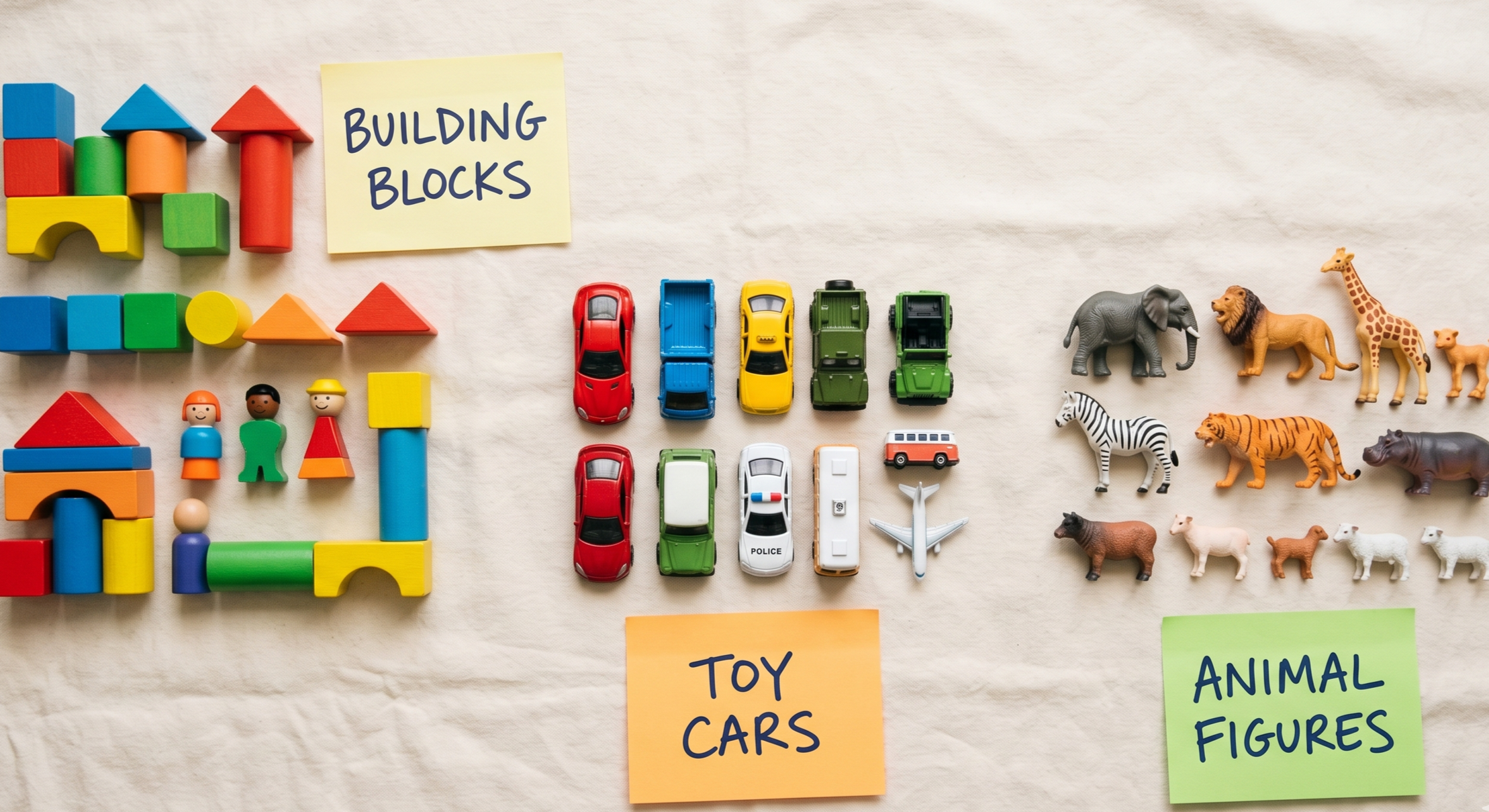
Not every moment in a cancer treatment day needs the same kind of toy. A child waiting for a port access needs something different from a child who has just finished a hard procedure. A child mid-infusion needs something different from a child who is over-stimulated at the end of a long inpatient stay.
Child life specialists have a working framework for this. They match the toy to the moment. We learned it from them. We use it when we build Joy Packages. We share it with families. Here is how it works.
The three modes of play
Calm play
Calm play is for moments when a child needs to settle, regulate, or quiet down. Long infusion days, evening hours in the hospital, the recovery from a hard morning. The toys that work here are quiet, low-stimulation, and tactile.
Examples:
A weighted plush
A Slinky
A sensory ball
Play-Doh
A picture book read aloud
A coloring book with quiet colors
Lacing cards or beads
Calm play is not about engagement. It is about regulation. The toy is helping the nervous system soften.
Distraction play
Distraction play is for moments when something hard is happening or about to happen. A port access. A blood draw. A dressing change. A scan. The toys that work here are active, multisensory, and engaging enough to pull a child's attention fully away from what is happening to their body.
Examples:
A pop-it toy
A bubble wand for breath-focused distraction
A textured fidget cube
A small flashlight for shadow play
A kaleidoscope
A song or playlist via Yoto or a small speaker
A counting or I-Spy game with a parent or nurse
Distraction play has a job. The job is to occupy the attention completely for the duration of a hard moment. The most effective distraction tools require active engagement (fingers, breath, eyes), not just passive viewing.
Recovery play
Recovery play is for after. A child who has just finished a procedure, a scan, a difficult day. The body and the nervous system are still buzzing. Recovery play helps the child come back to themselves on their own terms.
Examples:
Open-ended building toys (Magna-Tiles, wooden blocks, Lego)
Pretend play with a small set of figures
Art supplies for a child-led project
A new book
A small craft kit
A quiet game with a parent
Recovery play is the child's. It is the toy that lets them rewrite the day with their own hands.
How to use this framework at home
If you are a cancer parent, this framework can help you pack a hospital bag, plan a clinic morning, or set up a recovery afternoon. We try to make sure the bag has at least one toy from each category for any clinic day.
A pop-it for the access. A coloring book for the long wait. A small Lego set for the drive home.
What this means for our Joy Packages
Every Maxwell's Toy Box Joy Package includes a mix of all three categories. That is on purpose. A child who opens a Joy Package on an infusion day gets options. They get to choose which toy meets the moment they are in.
Our partner hospitals stock their toy closets with the same framework in mind. Calm play, distraction play, recovery play. Each shelf serves a different need on a different day.
What this means for the gifts in your home
If you are wondering what to send a friend's child in treatment, this framework is a useful filter. A weighted plush for calm. A pop-it for distraction. A small building set for recovery. Three small items that cover all three modes are often more useful than one big item that covers one.
Dina
Mom of Max | Founder, Maxwell’s Toy Shoppe
Childhood Cancer Advocate 💛
Follow Us On Social
Join our movement to support children battling cancer and their families, year-round:
🎁 Donate to deliver toys to children during long cancer treatment days
🧸 Buy a toy from Maxwell’s Toy Shoppe, and 100% of proceeds support children in treatment
🎗️ Join Maxwell’s Circle of Heroes as a monthly donor to ensure families receive ongoing care