Port Care at Home: A Parent-Friendly Guide
If your child is about to come home with a port (or already has one), you have likely been handed a packet of instructions, a quick demo by a nurse, and a small bag of supplies. You are also, almost certainly, a little nervous.
This guide is the version of port care I wish someone had handed me in plain language on the day we came home with my son's. It is not a substitute for your care team's instructions. It is the plain-English companion piece you can read in the parking lot before you walk into the house.
What a port is, in one paragraph
A port (sometimes called a mediport or a port-a-cath) is a small device implanted under the skin, usually on the upper chest. It connects to a vein. It gives the medical team a reliable way to give chemotherapy, draw blood, and deliver IV fluids without having to find a fresh vein every time. For a child in long treatment, a port often means fewer needle pokes overall.
What you actually need to know at home
1. The port itself does not need much
Once the skin over the port has healed (your care team will tell you when), the port itself is generally low-maintenance at home. Your child can shower, sleep on it, and play. Your job is mostly to watch the skin around it and protect it from impact.
2. The dressing comes off after access
When your child is "accessed" (a needle is in the port for chemo or labs), the site is covered with a clear dressing. You will learn what a healthy access site looks like. The dressing usually stays for the duration of an inpatient stay or until your care team removes it. At home, post-access, you may have a small puncture site that heals in a day or two.
3. The port is flushed regularly
When the port is not being used, it gets flushed (usually with saline and heparin) at least every four to twelve weeks, depending on your clinic's protocol. The clinic almost always handles this. You do not need to do flushes at home unless your team explicitly trains you for it.
What to watch for (and when to call)
Call your care team during business hours if you see
Mild redness around the port site that is not getting better
Itchiness or peeling around an older dressing
Small bruising after a recent access
A question your gut is telling you to ask
Call the on-call line or go to the ER if you see
A fever (your team will give you a specific threshold, usually 100.4°F or 38°C)
Significant redness, warmth, or swelling at the port site
Pus or drainage from the site
Severe pain at the port site
The port appearing to shift or come out of place
Always call. Your team would rather hear from you about a question than have you wait. The vast majority of port-related calls turn out to be nothing. Some turn out to be something. The on-call team is glad to be the one to tell you which.
How to live with a port (daily life tips)
Clothing
Soft-collared shirts are kinder on the access dressing days. Tag-free undershirts under everything help avoid irritation. Many cancer families discover button-up pajamas for inpatient stays for easier port access.
Activity
Most kids can do most things with a port. Confirm with your care team about contact sports and pool swimming. Many teams say no to football, hockey, and similar contact play, and offer guidance on pools that vary by clinic.
Backpacks and seatbelts
A backpack strap or a seatbelt right across the port can be uncomfortable. A small folded washcloth or a soft padded shoulder strap cover can help. Some families use a soft cloth between the seatbelt and the chest on long drives.
Showers and baths
Once healed, a port does not need to be kept dry during showers (confirm with your team). Avoid sustained pressure from a shower head directly on the port. Avoid soaking in hot tubs, which carry infection risk.
Sleep
Most kids can sleep on the port side without discomfort once healed. If your child is uncomfortable, a small pillow tucked under the arm can take pressure off the area.
The conversation to have with your child
Children adjust to ports more quickly than parents do. Use a name they understand. Many families call it the "button" or the "port." Some kids name their port like a friend. (One child I know named hers "Petunia.")
Talking about the port openly, in language they can hold, helps a child feel ownership over a part of their own body that doctors will use a lot in the months ahead.
What we keep on hand at home
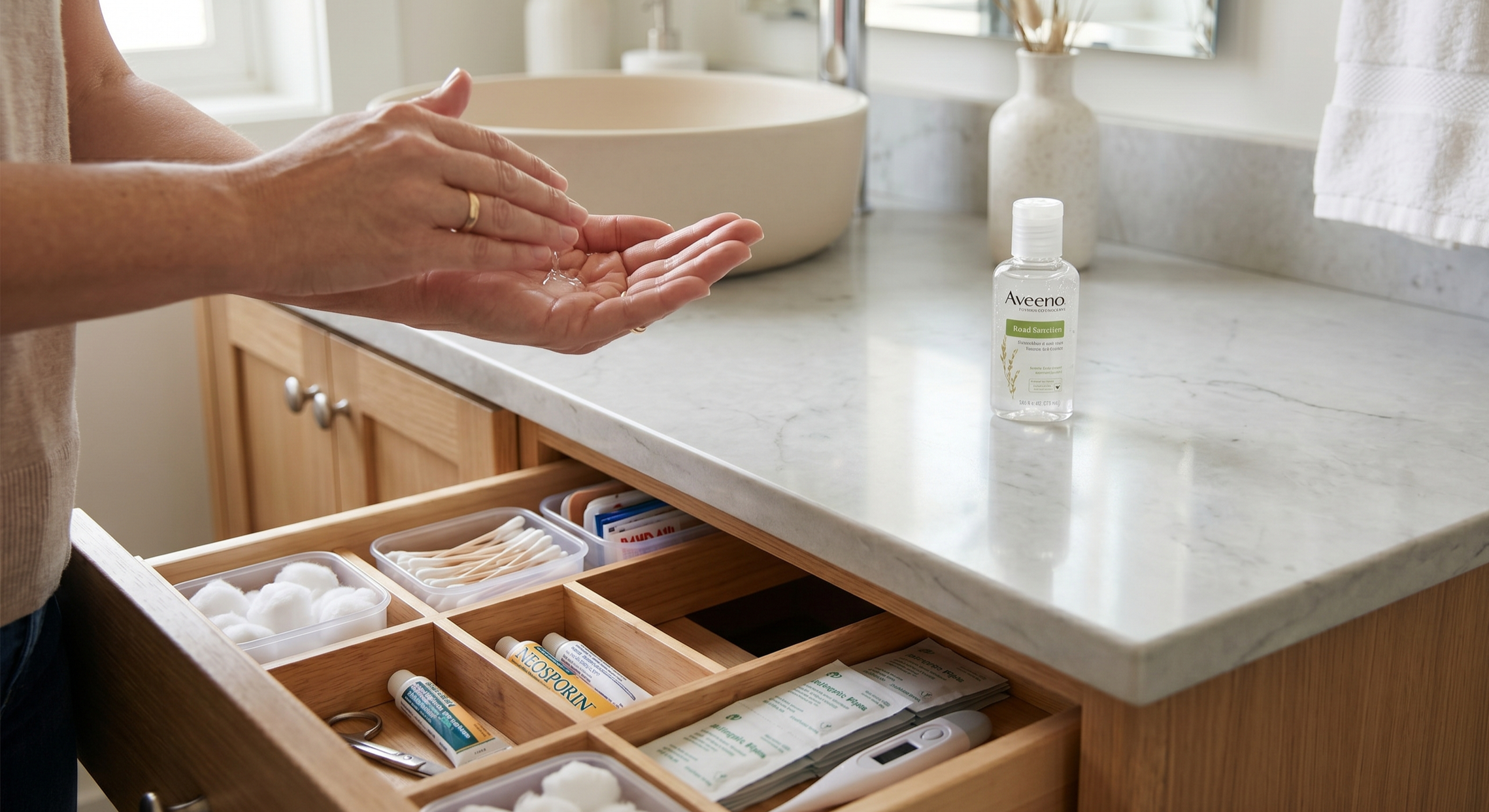
Hand sanitizer in every room
A small first aid kit with sterile gauze and paper tape
A thermometer that works (and a backup)
The on-call number for your care team, programmed into both parents' phones
A small, soft folded washcloth in the car for seatbelt comfort
A printed list of your child's medications, allergies, and care team contacts, kept in the hospital bag
A note for the newly diagnosed parent reading this
Port placement was one of our scariest mornings. Within a few weeks, the port was just part of our family's life. Your child will adjust faster than you will. You will both get there.
If you have questions that are not in this guide, your care team is the right place to ask. The nurses on a pediatric oncology floor have answered every port question imaginable. There is no question too small.
Dina
Mom of Max | Founder, Maxwell’s Toy Shoppe
Childhood Cancer Advocate 💛
Follow Us On Social
Join our movement to support children battling cancer and their families, year-round:
🎁 Donate to deliver toys to children during long cancer treatment days
🧸 Buy a toy from Maxwell’s Toy Shoppe, and 100% of proceeds support children in treatment
🎗️ Join Maxwell’s Circle of Heroes as a monthly donor to ensure families receive ongoing care