Done With Treatment, Still Figuring Out What Comes Next
My son finished active treatment for acute lymphoblastic leukemia not that long ago. Three and a half years from the day of his diagnosis. Two and a half years of chemotherapy. Hundreds of appointments. One small family that came out the other side, slightly different, still standing.
When the treatment ended, I expected a feeling I never quite got.
I expected the relief to be loud. I expected to wake up one morning and feel like we had crossed a finish line. I expected the cancer family identity to soften and the regular family identity to come back into focus.
What I got was quieter than that. And, in some ways, more interesting than that.
The phase no one prepared us for
There is a stretch of time after pediatric cancer treatment ends that I have come to think of as the After. Active treatment is in the rearview. Survivorship is a word the hospital is using. The follow-up appointments are spaced months apart instead of weeks. The hospital bag has been unpacked, mostly.
And yet the family is still figuring out who it is.
Our identities have been organized around active treatment for years. The calendar has been organized around clinic dates. The conversation with friends has been organized around updates. Even the small things, the daily decisions, the way we cook dinner, the way we plan a Saturday, the way we say yes or no to invitations, all of it has been organized around the fact that a child in our house has cancer.
When that fact softens, all of those small organizations have to be re-set. And nobody hands you the manual for that.
What the After actually looks like for us
The calendar is suddenly empty in a way that feels wrong
For years, the family calendar had clinic dates blocked out every week. Lab days. Chemo days. Lumbar puncture days. Doctor follow-ups. Even when an appointment got cancelled, there was usually a re-scheduled date right behind it.
The calendar now has long stretches of nothing. The first time I looked at a blank week, I felt almost panicked. I have spent so much time planning around appointments that an unplanned week felt unfamiliar.
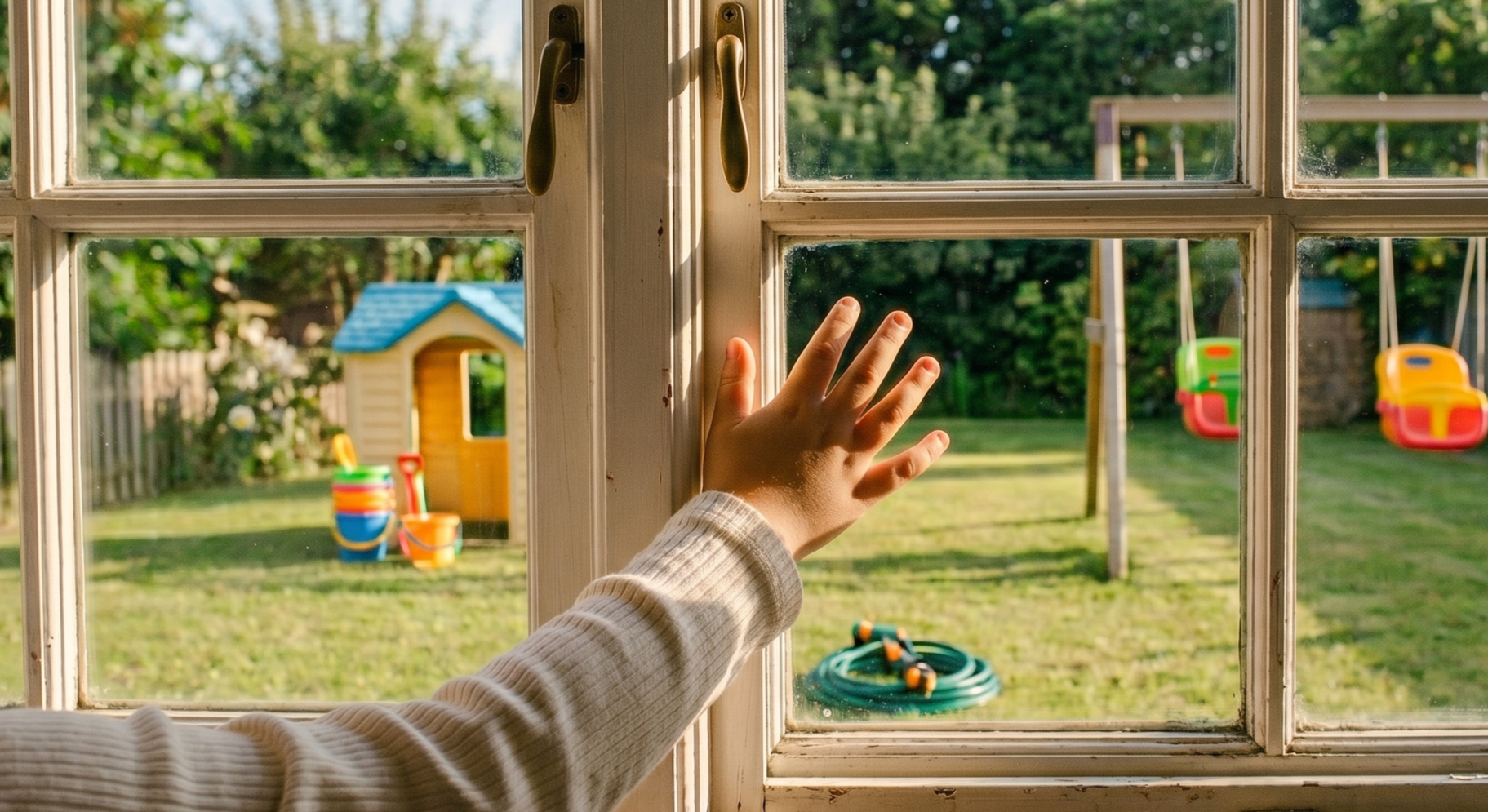
I am learning to plan things that are not appointments. Small things. A coffee with a friend. A backyard day with the kids. A walk that has no purpose. The calendar is teaching me what a normal family week looks like, and I am surprised by how much I had forgotten.
The vocabulary shifts, and we are still adjusting
We do not say "in treatment" anymore. We say "in remission." We do not say "his next chemo" anymore. We say "his next follow-up." The new vocabulary is good news. The new vocabulary is also slightly uncomfortable, because every word change is also an identity change, and our family is still figuring out which version of itself it wants to be.
The friends are confused about how to ask now
During active treatment, friends knew to ask about chemo days, labs, hospital stays. Now that treatment is done, the questions are different. "Is he all better?" "So he is cured?" "Are you guys all good now?" These questions, asked from love, are also questions that do not have simple answers.
We are learning new short answers. "He is doing really well, thank you for asking. We are still in follow-up for the next several years." That sentence gives a friend something to hold and does not require us to explain survivorship every time.
The body is still in treatment mode for a while
Both of our bodies, his and mine, are still in something like treatment mode. He is recovering from years of chemo. I am recovering from years of vigilance. My nervous system has not yet realized that I am not on call for an unexpected fever at 3 a.m. tonight.
I have been sleeping more. I have been crying more. I have been laughing harder. The body is metabolizing what just happened, and it is doing that on its own timeline.
What is helping us figure it out
Small new rituals
We are building new family rituals on purpose. A walk after dinner. Saturday morning pancakes. Backyard time with no screens. None of these are special. All of them are intentional. We are giving ourselves something to organize around that is not a clinic day.
Naming the After to each other
My husband and I talk about the After explicitly. We name it when it shows up. "This week feels weird because we do not have anything on the calendar." "I cried on the way home from the park because I do not know why." Naming the experience to each other has helped both of us move through it.
Slowing down our schedule on purpose
We have learned the hard way not to fill the calendar back up too fast. The instinct after treatment ends is to catch up on everything that life pushed aside. The wiser move, for us, has been to stay slow. The family needs time to remember how to be a family that is not in active crisis.
Keeping the cancer community close
The friendships we made with other cancer families during treatment are some of the most important relationships we have. We have leaned into those friendships in the After. The cancer moms in our circle understand the After in a way that nobody else can.
Holding the hope and the fear at the same time
We are not pretending the cancer is gone. We are not living in fear, either. We are learning to hold both. The hope that this is the rest of our lives. The fear of what might come back. Most days, both are present. Most days, we choose to live in the hope, while staying alert.
A note for the survivor parent reading this
If you are reading this in the After, or you are heading into the After soon, here is what I want you to know.
The relief might be quieter than you expected. The transition might be messier than you imagined. The grief might be bigger than the joy for a while. You are not alone. You are not failing at survivorship.
Your family is doing the work of becoming a family again. That work takes time. It also rewards patience. The version of your family that emerges on the other side of the After is not the same as the version that went into treatment. It is, in my experience, more honest, more close, more grateful for the small things.
Be patient with yourself. Be patient with each other. Be patient with the calendar.
Maxwell's Toy Box is building resources for survivor families because the work of being a cancer family does not end with the last chemo. If you are in the After and you want to be part of a survivor parent community, reach out at maxwellstoybox.com/contact-us.
Dina
Mom of Max | Founder, Maxwell’s Toy Shoppe
Childhood Cancer Advocate 💛
Follow Us On Social
Join our movement to support children battling cancer and their families, year-round:
🎁 Donate to deliver toys to children during long cancer treatment days
🧸 Buy a toy from Maxwell’s Toy Shoppe, and 100% of proceeds support children in treatment
🎗️ Join Maxwell’s Circle of Heroes as a monthly donor to ensure families receive ongoing care