The Questions My Son Asks Now That He Is Older
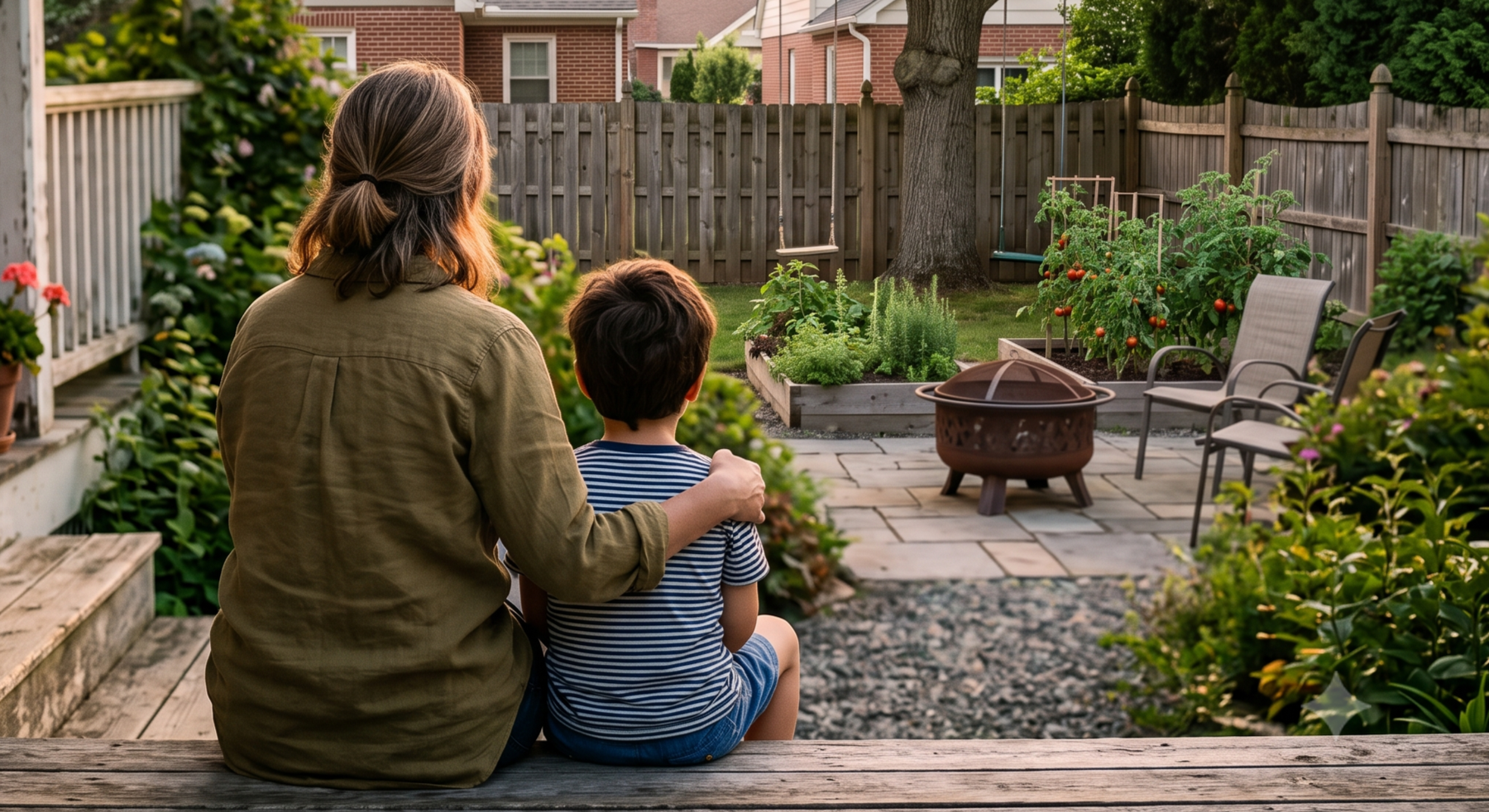
My son is five. He has been off active treatment for a little while. He is starting to ask questions about what happened to him.
The questions come at the strangest times. Driving to the grocery store. In the bathtub. At the dinner table. Walking back from the mailbox. He asks. He waits. He listens. He moves on.
I want to write down some of the questions. Not because I have the right answers. Because I want to remember them. And because if you are a cancer mom of a survivor child who is asking new questions, you are not alone.
The questions, in no particular order
"Why did I have cancer?"
This was the first big one. He asked it in the car. I told him the truth I have. "We do not know exactly. Sometimes bodies get sick and we do not always know why. The doctors helped your body get better."
He thought about it for a minute. He said, "Okay."
I have learned that the answers do not need to be complete. They need to be honest.
"Was I going to die?"
This one I was not ready for. He asked it during bath time. I sat next to the tub. I told him the truth I knew. "You were very sick. The doctors had medicine that helped you get better. We were very scared sometimes. The medicine worked. You are going to be okay."
He nodded. He played with his rubber duck. He did not ask anything else that night.
He has not asked it again. I do not know if he will.
"Did Lenna have cancer too?"
He asked about his sister last spring. He was worried about her. I told him no, she did not. I told him that he was the only one in our family who had it. I told him that we paid very close attention to all of us now, especially him, and that everyone in our family was healthy.
He said, "Good. I do not want her to have cancer."
I said, "Me either."
"Why was my hair gone?"
He asked this about a year ago, when he saw old photos of himself. I explained that the medicine that fought the cancer was very strong, and one of the things it did was make his hair fall out for a while. I told him it grew back. I asked him if he remembered it being gone. He said he did not.
He did. He just did not have words for the memory.
"Where is my port going to go?"
His port is still in his chest. We have not removed it yet. He has been asking what is going to happen to it. We told him that one day the doctors will take it out, very gently, when they are sure he does not need it anymore. He has been planning a small ceremony for the day this happens. I cannot wait.
"Why did you cry so much, Mom?"
He asked this once. Casually. While we were folding laundry. I told him the truth. "When you were sick, I was very scared. I cried because I love you so much. I am not crying as much anymore because you are getting better."
He said, "I do not want you to cry."
I said, "Sometimes I will cry. That is okay. It is not because of anything you did. It is because of how much I love you."
"Are the nurses going to remember me?"
He asked this on a follow-up appointment recently. He was thinking about the nurses who took care of him for three years. I told him yes, they remember every kid they take care of. He asked if he could bring a drawing for them. He drew them a picture. We brought it to the next appointment.
"Will I still go to the hospital sometimes?"
Yes, for follow-up. He asks about this regularly. He wants to know the schedule. We tell him the truth. "Yes. Sometimes. The doctors want to make sure your body keeps doing well. We will tell you when each appointment is coming so it is never a surprise."
"Do other kids have what I had?"
He asked this when he saw a sticker about childhood cancer awareness. I told him yes, other kids have cancer too. I told him about Maxwell's Toy Box, and how we send toys to other kids who have cancer, because we know how hard it is. He asked if he could pick the toys we send. He has been helping us choose Joy Package items ever since.
What I have learned about answering
Answer at his level
I try to answer in language that matches where he is. Not too clinical. Not too vague.
Tell the truth
He can tell when I am dodging. The truth, in age-appropriate words, has always been the right call.
Do not say more than the question asks
If he asks a small question, I give a small answer. The follow-up will come, in its own time, if he wants more.
Let the conversation end when he is done
Children process slowly. He often asks a question, listens to the answer, and walks away. I have learned not to keep talking. The processing happens in the silence.
Make space for the next question
I do not bring up the cancer myself. I wait for him to bring it up. The questions come on his timeline. I have learned to trust that.
A note for the cancer mom whose child is just starting to ask
If your child is just starting to ask the bigger questions, take a breath. You will not get every answer right. Your child does not need every answer right. They need you to be present, honest, and gentle.
Write down the questions. You will want to remember them later. They are some of the most important conversations you will have as a survivor family.
Dina
Mom of Max | Founder, Maxwell’s Toy Shoppe
Childhood Cancer Advocate 💛
Follow Us On Social
Join our movement to support children battling cancer and their families, year-round:
🎁 Donate to deliver toys to children during long cancer treatment days
🧸 Buy a toy from Maxwell’s Toy Shoppe, and 100% of proceeds support children in treatment
🎗️ Join Maxwell’s Circle of Heroes as a monthly donor to ensure families receive ongoing care