The Late Effects Our Son Will Live With (From Chemos Older Than I Am)
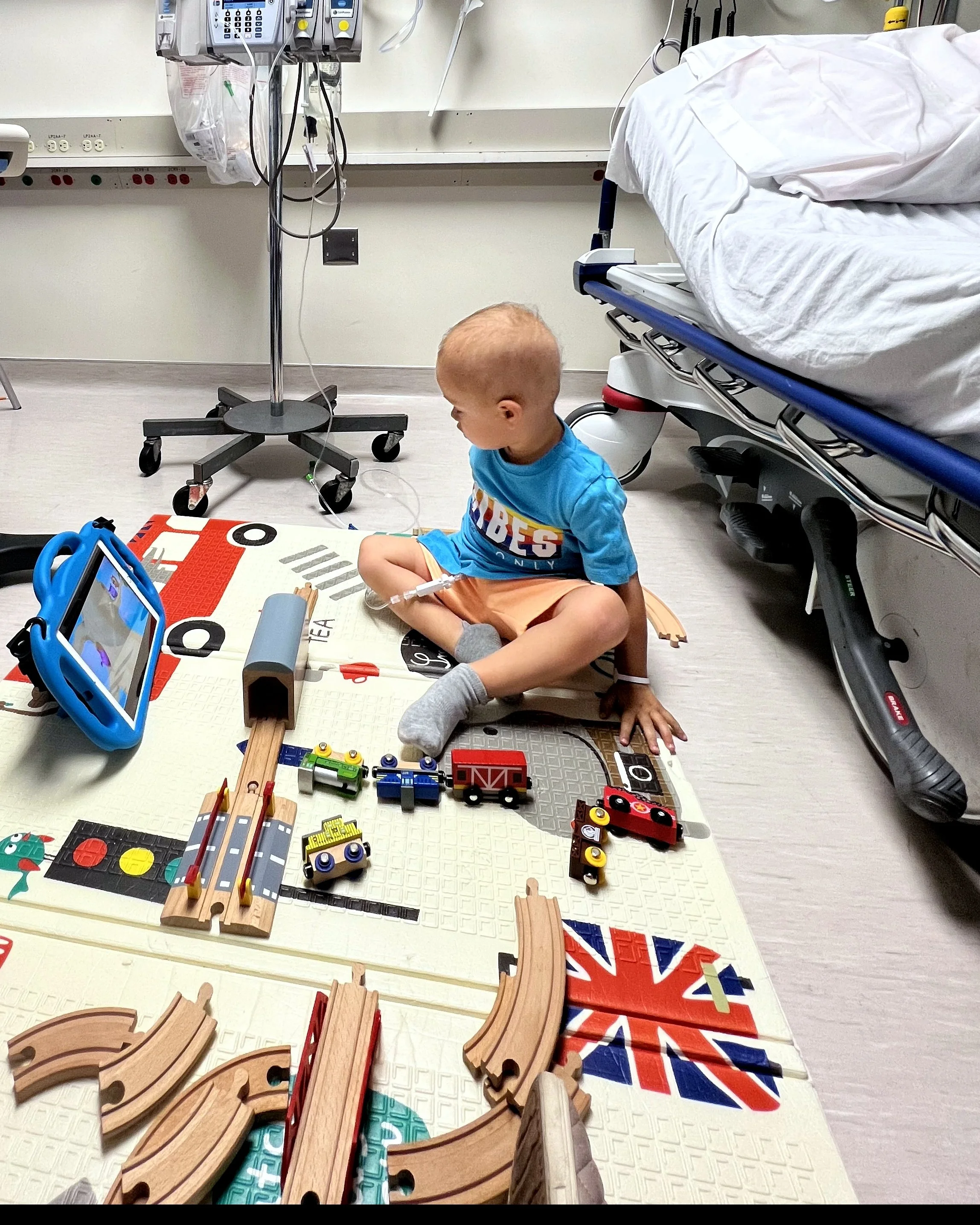
My son is a childhood cancer survivor. He will live with that identity for the rest of his life.
One of the parts of survivorship parents are not always warned about, or not warned in enough time, is that pediatric cancer treatment leaves a set of long-term effects on the body that can show up years or decades after the last chemo dose. These are called late effects. They are the physical price children pay for the chemotherapy that saved their lives.
This post is about the late effects our family is now watching for. It is also about why late effects are one of the strongest arguments for why pediatric cancer research funding matters.
The scale of the late-effects problem
Somewhere between 60 and 90 percent of childhood cancer survivors develop at least one long-term health effect from their treatment. By the time survivors are in their 40s, roughly 88 percent have at least one chronic health condition traceable to their cancer treatment.
That is not a rare complication. That is the norm.
The most common late effects include cardiovascular disease, endocrine disorders, neurocognitive changes, and secondary cancers. Many survivors also live with hearing loss, fertility challenges, bone density issues, and dental problems.
This is what our family is now paying close attention to, because the drugs that saved our son also came with a list of long-term risks that we are only now beginning to understand for his specific case.
The drugs, and what they can do over time
Doxorubicin (approved 1974) and the heart
Doxorubicin is a highly effective chemotherapy drug. It is also known to be cardiotoxic. Research on pediatric patients has shown that as many as 40 percent of children treated with doxorubicin have some level of subclinical cardiac dysfunction detectable on follow-up, and 5 to 10 percent may develop congestive heart failure in the years or decades after treatment.
Our son received doxorubicin during a portion of his treatment. He will get echocardiograms for the rest of his life.
Vincristine (approved 1963) and the nervous system
Vincristine, a vinca alkaloid, is known for causing peripheral neuropathy. Most of the time this is a short-term side effect that resolves after treatment. In some children it lingers. The gut nerves affected by vincristine can also cause constipation that persists for months.
Methotrexate (developed from Sidney Farber's 1948 work) and cognition
Methotrexate, especially at high doses or when delivered into the central nervous system through spinal taps, has been associated with neurocognitive effects in some pediatric survivors. Attention, processing speed, working memory. Research on 'chemo brain' in pediatric survivors is ongoing.
Cyclophosphamide (approved 1959) and fertility
Alkylating agents like cyclophosphamide are known to affect fertility, particularly at higher cumulative doses. This is one of the conversations survivorship clinics will have with families over time as children grow into adolescence and adulthood.
Steroids (prednisone approved 1955, dexamethasone 1958) and bone health
Long-term steroid use in pediatric leukemia treatment has been associated with reduced bone density, growth effects, and avascular necrosis in some survivors.
The overall pattern
The drugs that cured our son were developed between 1948 and 1974. They are the backbone of his survival. They also have late-effect profiles that our family, and thousands of other survivor families, will monitor for decades.
What survivorship care looks like at home
We have a survivorship binder. In it are our son's complete treatment records, the cumulative doses of every drug he received, and a summary from his oncology team of what to watch for and when.
He will have an annual survivorship clinic appointment for many years. Depending on his growth and any signs of late effects, he may also see cardiology, endocrinology, or neuropsychology as part of that annual check.
This is not a sign that something is wrong. It is what modern survivorship care looks like when we have children surviving in numbers we did not use to see, being followed closely because we know what the older drugs can do over time.
The improvement over decades
Late-effect rates have improved over time as protocols have gotten smarter. The percentage of survivors developing severe or life-threatening late effects within 5 to 15 years of diagnosis dropped from 12.7 percent among survivors diagnosed in the 1970s, to 10.1 percent in the 1980s, to 8.9 percent in the 1990s.
That improvement matters. It came from research. It came from clinical trials that adjusted dosing, timing, and combinations to preserve efficacy while reducing long-term harm.
It also, importantly, came from the same essential drugs. The improvement is not from new medicine. It is from smarter use of the medicine we've had for 50 years.
There is a ceiling to how much smarter use can help. At some point, we need new medicine.
Why this matters for advocacy
Every conversation about pediatric cancer research funding gets one big question: what would we do with more money?
The late-effects data is one answer.
More money would mean more research into targeted therapies that treat pediatric cancers without also treating a child's growing heart, brain, endocrine system, and reproductive future. It would mean more precision medicine specifically calibrated for pediatric bodies. It would mean immunotherapies (like CAR-T) developed with pediatric use in mind from the start, not adapted from adult trials.
This is what better looks like. Not just higher cure rates. Lower late-effect rates. Children who survive cancer and then live full adult lives without a lifetime of cardiac monitoring, cognitive support, and fertility work.
The children in treatment today deserve better tomorrows.
What survivor families can do
If your child is a survivor and you're navigating late-effects care, you are not alone. The Children's Oncology Group has published survivorship guidelines that your team is following. Survivorship clinics exist at most major pediatric cancer centers. The friendships you make in the survivor community are some of the most important ones you will have.
Nobody wants to join this community. But it is, hands down, one of the greatest communities to be part of. Survivor families become each other's medical guides, emotional anchors, and long-term friends. If you are new to survivorship, please reach out to another survivor mom. The community holds each other for years.
What advocates can do
If you want your CCAM advocacy this year to have real teeth, one of the highest-leverage places to focus is pediatric cancer research funding. Not general cancer research. Pediatric-specific research.
Foundations like St. Baldrick's, Alex's Lemonade Stand Foundation, CureSearch, and the National Pediatric Cancer Foundation fund pediatric-specific research directly. Every dollar to these organizations goes to work that could, over the next decade, reduce the late-effect burden on the survivors coming next.
That is the argument for advocacy. Not that our children weren't saved. They were. That the children who come next deserve a version of survival that comes at a lower long-term cost.
Dina
Mom of Max | Founder, Maxwell’s Toy Shoppe
Childhood Cancer Advocate 💛
Follow Us On Social
Join our movement to support children battling cancer and their families, year-round:
🎁 Donate to deliver toys to children during long cancer treatment days
🧸 Buy a toy from Maxwell’s Toy Shoppe, and 100% of proceeds support children in treatment
🎗️ Join Maxwell’s Circle of Heroes as a monthly donor to ensure families receive ongoing care