How Our Family Started Talking About Advocacy At the Dinner Table
Somewhere in the last year, our family became an advocacy family.
There wasn't a decision moment. There wasn't a family meeting where my husband and I sat down and said, "We're now the kind of family that reads pediatric cancer policy papers at breakfast." It happened the way most identity shifts happen. Slowly. Then all at once.
I've been trying to write down what that shift looked like from inside our house, because I think other cancer families might recognize it.
How it started for us
For the first two years of my son's treatment, my husband and I were in survival mode. We didn't have bandwidth for policy. We were reading medication charts and CBC printouts. We were on the phone with insurance companies. We were figuring out how to feed our other child. Advocacy was for other people.
Around the third year, that started to change. Our son was in maintenance. The rhythm of treatment was less acute. My brain, for the first time in a long time, had a small amount of space in it that wasn't allocated to keeping him alive.
I used some of that space, one Saturday morning, to look up when the drugs he'd been taking were first developed. That's how I ended up sitting at our kitchen table with a list that included vincristine (1963), 6-mercaptopurine (1953), and methotrexate (developed from Sidney Farber's 1948 work).
That list was the beginning of our family's advocacy shift.
The conversation with my husband
I showed him the list. He read it twice. He said, "That can't be right."
It was right.
We spent that morning at the kitchen table doing the kind of Googling we hadn't let ourselves do earlier in treatment. What are the newer treatments in pediatric oncology? How much federal money goes to pediatric cancer research? What's changed in the last 20 years?
The answers surprised us. Some in a good way (CAR-T therapy, approved in 2017, changing the game for relapsed pediatric leukemia). Some in a hard way (about 8 percent of the federal cancer research budget goes to pediatric cancer, roughly $576 million of NCI's $7.2 billion annual spend).
That morning ended with my husband saying, "We should probably do something."
We didn't know what. We started small.
What advocacy looks like in our house
Reading, on purpose
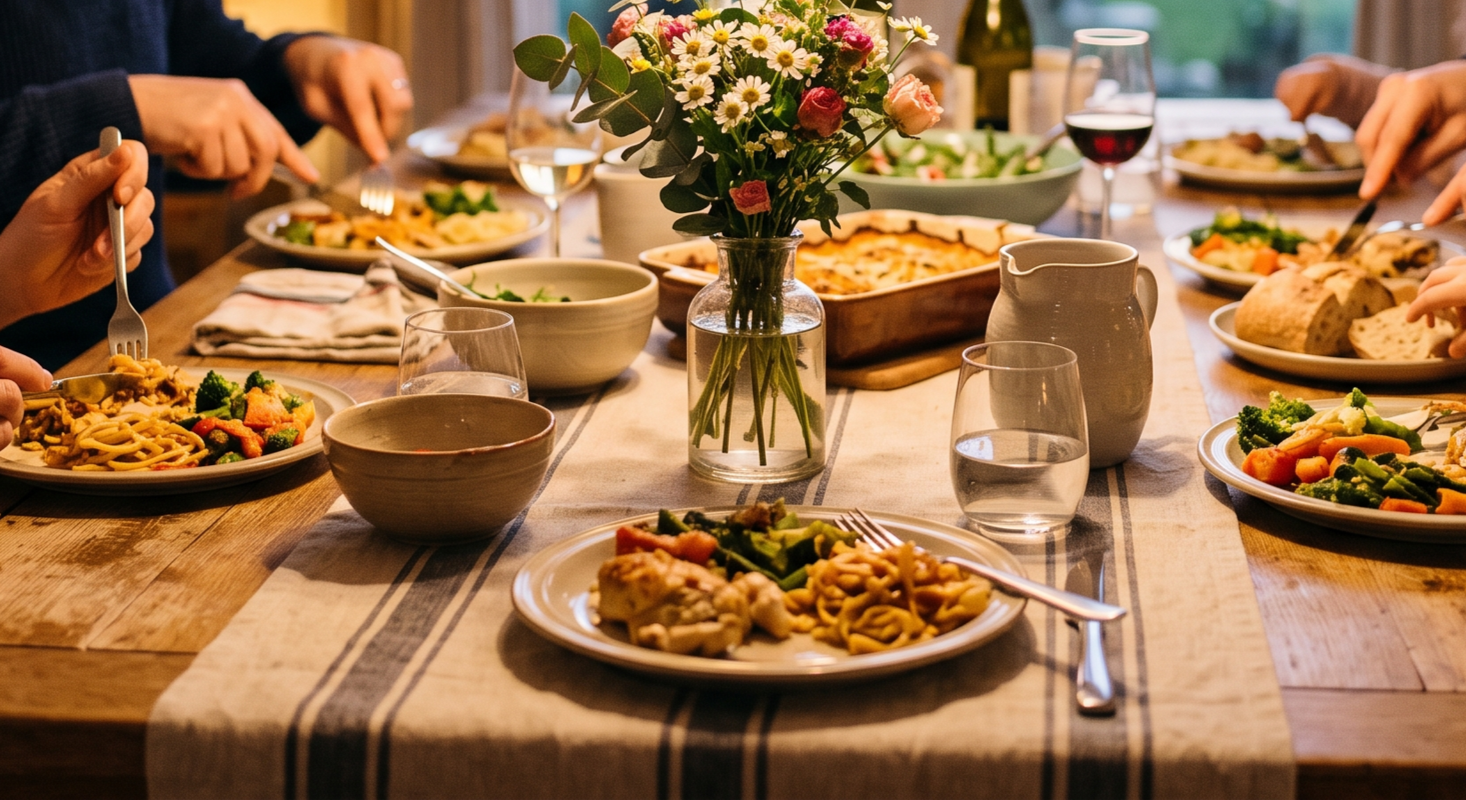
We started reading pediatric cancer policy pieces and research updates on purpose. I subscribe to a few newsletters from advocacy organizations. My husband follows a couple of pediatric oncology researchers on social. When one of us reads something worth talking about, we bring it up at dinner.
One letter a quarter
We committed to sending a letter to each of our congressional representatives (two senators and one U.S. rep) once a quarter. Four times a year. It's small. It's consistent. It puts our family in front of our elected officials in a repeatable way.
Redirected giving
We shifted our year-end charitable giving. We still give to family support organizations, including our own Maxwell's Toy Box. We also now allocate part of our giving to pediatric cancer research foundations specifically: St. Baldrick's, Alex's Lemonade Stand Foundation, the National Pediatric Cancer Foundation, CureSearch, CureChildhoodCancer.
One conversation a week
We try to have one conversation a week with someone who isn't in the cancer community, in which we mention something specific about pediatric cancer research. Not a lecture. A single fact, worked into an ordinary conversation. "Did you know most pediatric leukemia drugs were developed before we were born?" is a sentence that opens a lot of doors.
Modeling for our children
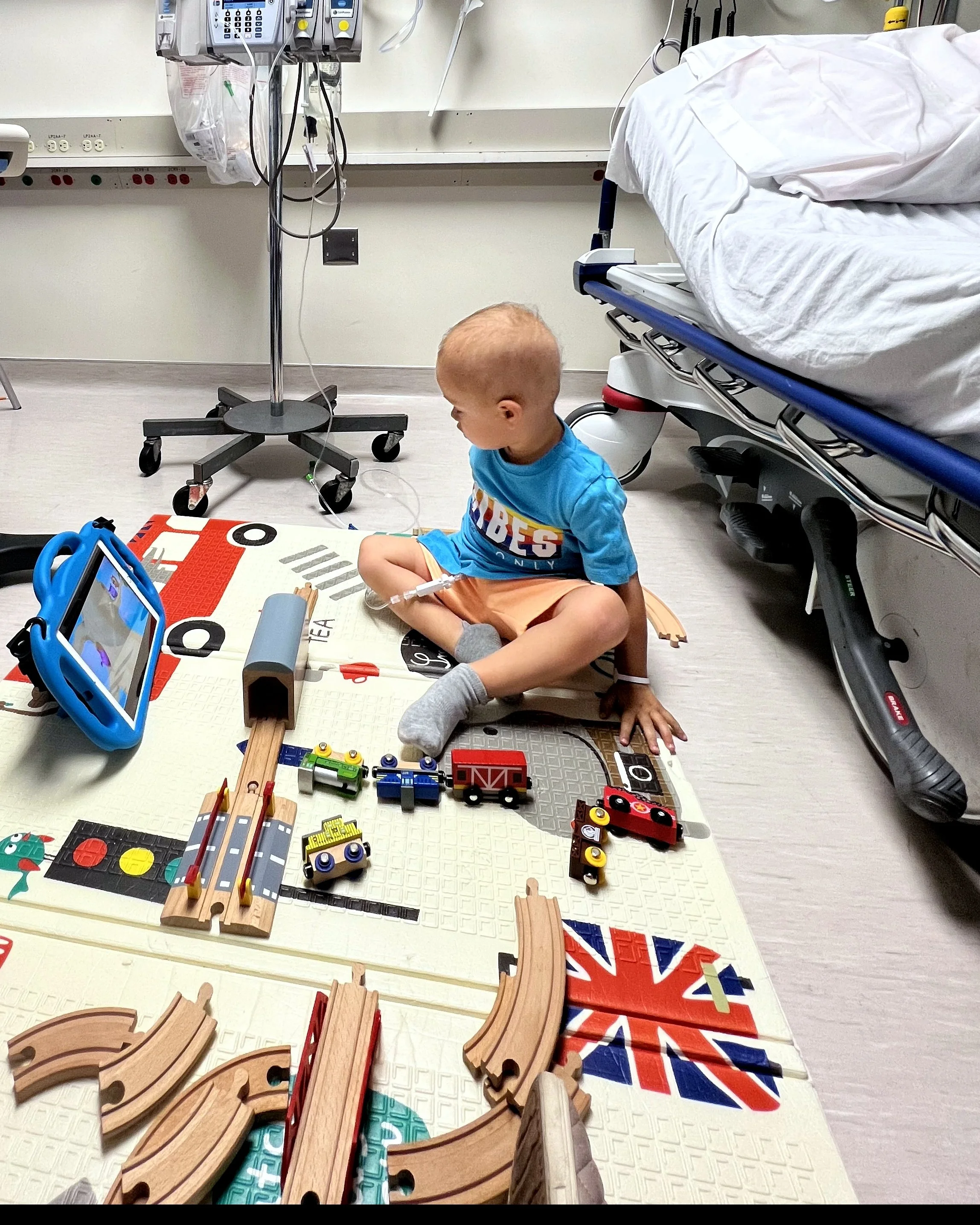
Our five-year-old and our four-year-old are too young to understand the policy layer. They understand that our family cares about pediatric cancer. They watch us give. They see us in gold-ribbon shirts every September. They know their mom and dad send letters that matter. They ask about the letters. We tell them the truth in age-appropriate words.
What this has changed for us
Advocacy has given our family a specific outlet for the grief and gratitude we carry all the time.
Every cancer family I know carries some version of both. Grief for what happened to their child. Grief for the years the family lost to treatment. Grief for the friends whose children didn't survive. Gratitude for the survival that came. Gratitude for the medical team. Gratitude for the community that showed up.
For a long time, my husband and I didn't have anywhere to put those feelings other than back into our own family. Advocacy has given us a place to send them outward. Every letter we send is a small act of grief-in-motion. Every dollar we give to research is a small act of gratitude, aimed at the next family.
For the family reading this who isn't there yet
If you're in the middle of active treatment and advocacy feels far away, that's okay. Your job right now is your child. The policy stuff will still be here when you have space for it.
If you're in the after and you're wondering what to do with all the feelings that showed up when the medical schedule softened, advocacy might be one answer. Not the only answer. One.
Nobody wants to join the pediatric cancer community. It is also, hands down, one of the greatest communities to be part of. Some of the closest friends I have now are the moms I met through advocacy work. They're the ones who understand this in a way nobody else can.
If you want to reach out and talk about what advocacy could look like in your family, I'd love to hear from you.
Dina
Mom of Max | Founder, Maxwell’s Toy Shoppe
Childhood Cancer Advocate 💛
Follow Us On Social
Join our movement to support children battling cancer and their families, year-round:
🎁 Donate to deliver toys to children during long cancer treatment days
🧸 Buy a toy from Maxwell’s Toy Shoppe, and 100% of proceeds support children in treatment
🎗️ Join Maxwell’s Circle of Heroes as a monthly donor to ensure families receive ongoing care