How to Build a Sensory Kit at Home for a Child on Chemo
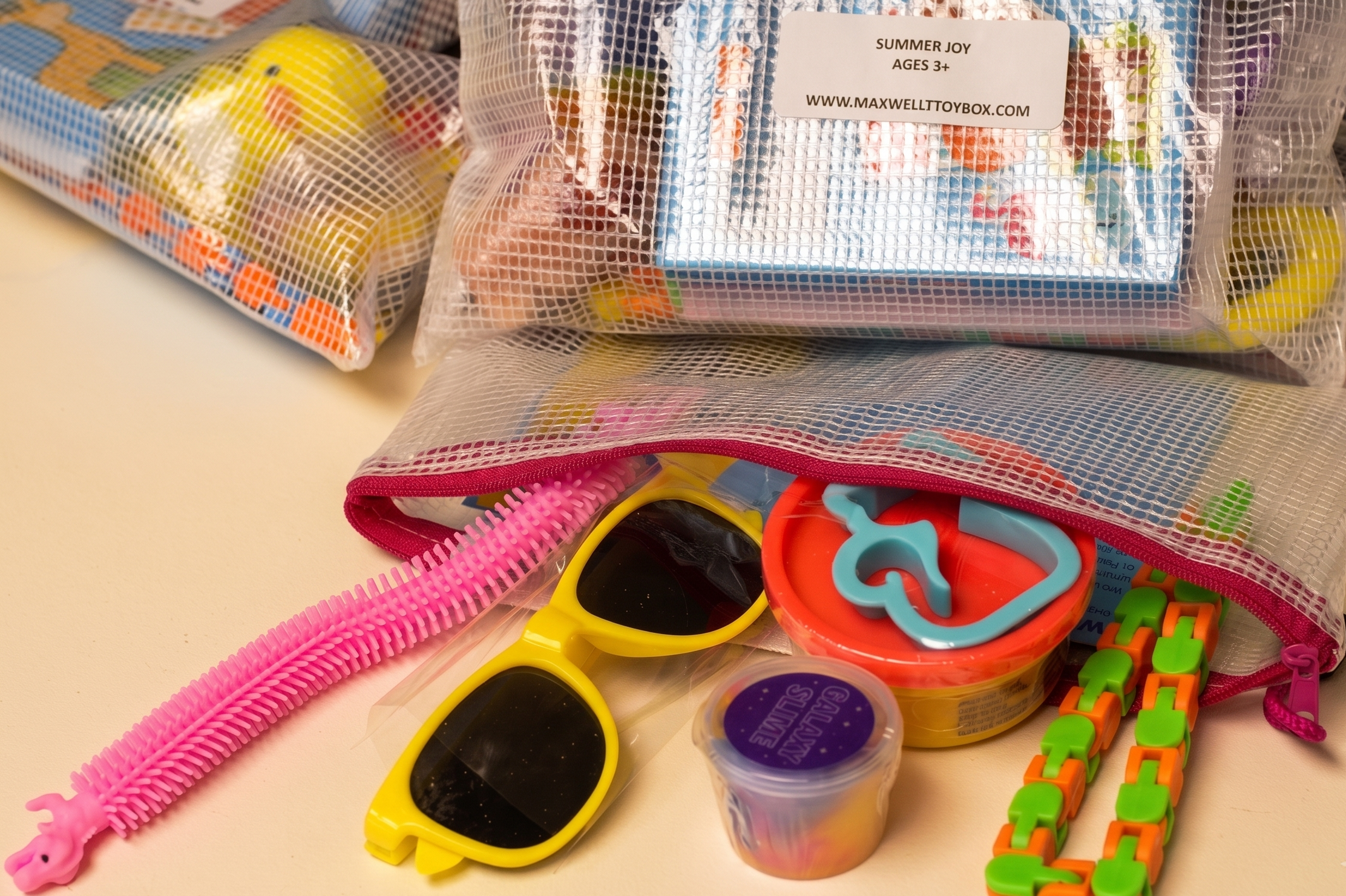
If your child is in cancer treatment, a sensory kit you can put together at home is one of the most useful things to have. It travels to clinic. It lives by the bed during steroid weeks. It comes out on days when your child is overstimulated, dysregulated, or just needs to soothe.
You do not need to buy a pre-made kit. You can build one from items you can find at most stores or online for under $30. Here is how.
Start with a container
Choose a clear zippered pouch, a small fabric bag, or a small lidded bin. You want something that:
Holds 8 to 12 items
Is easy to wipe down or wash
Is portable enough to live in the hospital bag
Is visually identifiable so your child knows it is theirs
Letting your child help choose or decorate the container creates ownership. Add a sticker with their name. Let them pick the color.
““Play is how a child processes a hospital. It is not a break from treatment. It is part of treatment.””
The core kit (the 8 items every kit should have)
1. A sensory ball
Small enough to fit in their hand. Squishy with an inner gel. Excellent for self-soothing.
2. A pop-it toy
A small one. The repetitive popping is one of the most effective self-regulation tools we have ever seen kids use.
3. A textured fidget cube or set
Multiple surfaces for the hands. A small one that fits in a pocket.
4. A Slinky
Quiet. Hypnotic. Perfect for the lap during a long appointment.
5. Play-Doh in a small sealed container
Tactile, satisfying, occupies both hands. Always confirm with your care team about Play-Doh during neutropenic phases.
6. A bubble wand with non-spill bubbles
Bubbles regulate breathing. Slow exhale, slow inhale. This is one of the tools child life specialists reach for most often.
7. A small mirror or kaleidoscope
Visual sensory tool. Adds a different sensory modality.
8. A weighted plush (small enough to fit in the kit)
Weighted plush in the 1-pound range gives the body a calming signal. Great for the chair, the bed, or the car seat.
Optional additions, based on your child
If your child loves art
A small water-wow book
Wikki Stix or bendable wax sticks
A small magnetic drawing pad
Crayons in a small case
If your child loves music or sound
A small headphone-friendly music player (Yoto or similar)
A small wooden tone block
A chime ball
If your child loves textures
A piece of soft fabric (silk, velvet, fleece) cut to a 4x4 inch square
A bumpy rubber teether or chew (for younger kids who still mouth)
A textured ball with ridges
If your child needs to chew or oral-sensory tools
A chewable necklace or pencil topper (Chewelry brand and similar)
A pack of gum if age-appropriate
Crunchy snacks for chewing regulation
Where to source
Amazon, for variety and bulk options
Target, for sensory toys in the kids' section
Michaels or Hobby Lobby, for art supplies
Five Below, for inexpensive variety
Maxwell's Toy Shoppe, for curated sensory toys that fund Joy Packages for kids in treatment
What we have learned about home sensory kits
Rotate items
Every few weeks, swap in a new item and retire one for a while. Novelty extends the life of the kit.
Build a smaller travel version
A 4-item travel kit (sensory ball, pop-it, bubble wand, small fidget) fits in any pocket and goes everywhere.
Let your child use it however they want
There is no wrong way to use a sensory kit. Your child may want to lay out all the items. They may want to keep one in their hand all day. They may want to give one to a sibling. The point is regulation, not curriculum.
Clean regularly
Wipe down plastic items weekly. Wash fabric items in hot water as recommended. Replace anything that gets worn out.
What about ready-made kits
If you would rather buy a pre-made kit, Maxwell's Toy Box's Joy Packages are essentially a sensory kit, ready-built, with items selected specifically for kids in pediatric cancer treatment. You can also order one as a gift for a friend's child in treatment. Each one funds another Joy Package for a child at one of our partner hospitals.
A note for the parent reading this
Sensory kits are one of the small interventions that change a difficult day. They do not need to be elaborate. They need to be available. A simple kit, built once, used often, will become one of the most useful tools in your treatment toolkit.
Dina
Mom of Max | Founder, Maxwell’s Toy Shoppe
Childhood Cancer Advocate 💛
Follow Us On Social
Join our movement to support children battling cancer and their families, year-round:
🎁 Donate to deliver toys to children during long cancer treatment days
🧸 Buy a toy from Maxwell’s Toy Shoppe, and 100% of proceeds support children in treatment
🎗️ Join Maxwell’s Circle of Heroes as a monthly donor to ensure families receive ongoing care