How to Talk to Your Kids About Their Classmate Who Has Cancer
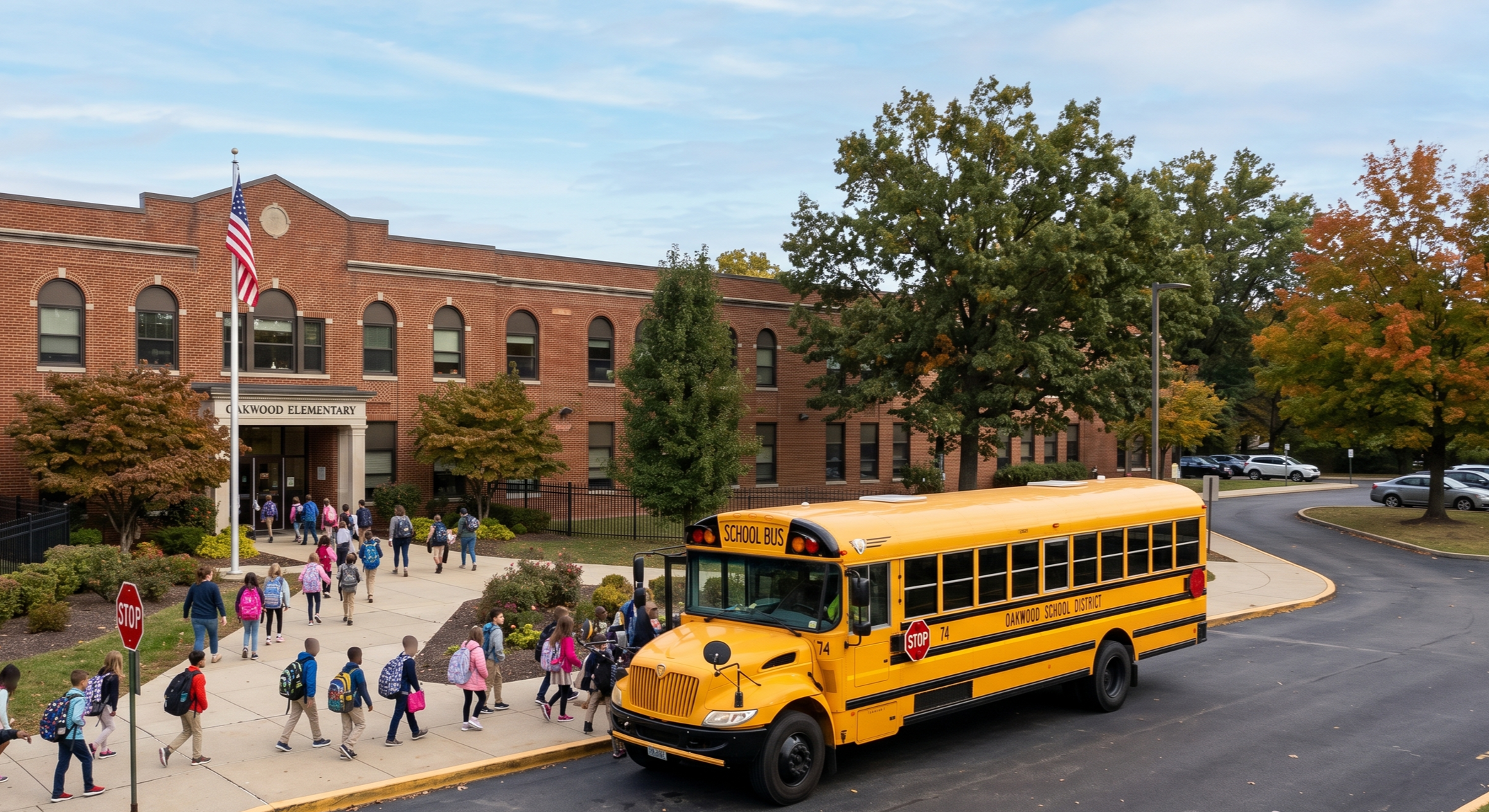
When a child in your kid's class is diagnosed with cancer, you and your child will both have questions. Your kid may come home from school with a story they do not understand, a phrase they overheard, or a worry they cannot quite name.
This guide is for the parent whose child has a classmate in pediatric cancer treatment. Built from what cancer families have told us about what they wish their classmates' parents understood.
Start with what you know
Before you talk to your child, find out what the school has communicated. Most schools, with the family's permission, will share basic information with the class. Some send a letter to all families. Some keep things private. Follow the family's lead. Do not share details they have chosen not to share.
Age-by-age conversation starters
Preschool and early elementary (3 to 7)
Keep it simple. Stick to the facts they need to hold.
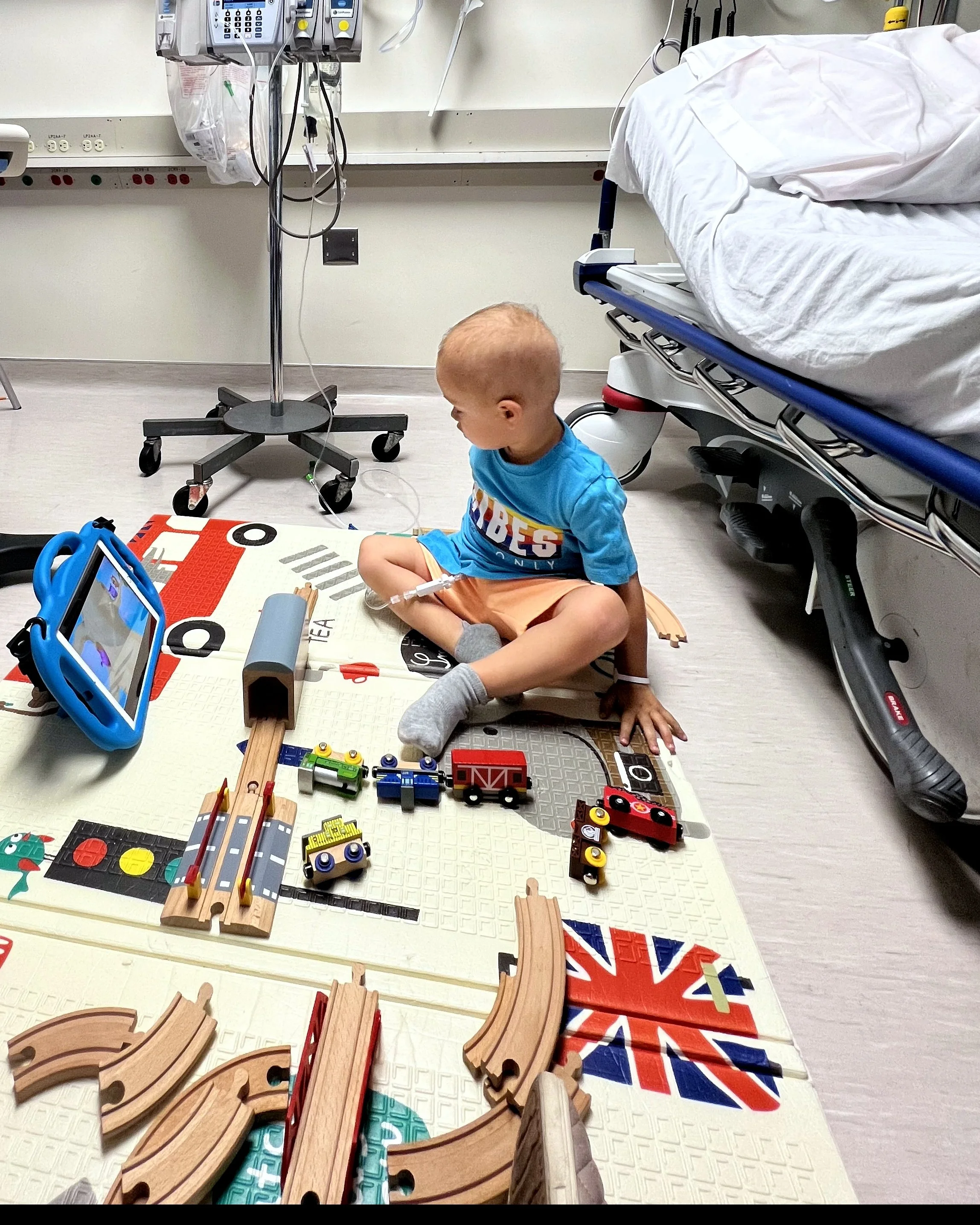
Sample script: "You know your friend [name]? They have something called cancer. The doctors are giving them special medicine to help. Sometimes [name] will not be at school because they are at the hospital. When they come back, they might look a little different. Their hair might be gone for a while. They are still the same friend. They will love it if you say hi."
Then invite questions. Answer them honestly. "I do not know" is a fine answer for the things you do not know.
Late elementary (8 to 11)
Children this age can hold more detail and may have specific worries.
Sample script: "Your classmate [name] has cancer. Cancer is when some cells in the body grow in a way they should not, and the doctors have medicine that helps stop it. The medicine works really well, but it can also make people tired or sick to their stomach or make their hair fall out for a while. [Name] might be in and out of school for the next year or two. They are still [name]. They will love seeing you when they are there."
Children this age often want to know if they can catch it. Reassure them. "You cannot catch cancer from another person. It is not something that spreads."
Middle school and beyond (12+)
At this age, give them the full version. They can handle it. They may also be experiencing more complex feelings, including fear about their own health.
Sample script: "Your classmate [name] was diagnosed with [type, if family has shared]. Treatment will take a while. They are going to be in and out of school. They may look different at times because of the treatment. They are still the same person you have known. The best thing you can do is treat them normally. Include them. Sit with them at lunch. Ask them about things you usually ask them about, not just about being sick."
Make space for their bigger questions. "Could that happen to me?" Be honest. Most childhood cancers are not preventable. The risk for any one child is low. Their classmate's diagnosis does not change their own risk.
Specific things to coach your kid on
How to greet their friend on the first day back
A simple "I'm happy to see you" is perfect. They do not need to ask about the cancer. They do not need to bring up the hospital. They can just be a normal friend.
What to do if their friend looks different
If their friend has lost their hair, looks paler, or seems thinner, coach your kid to not react. "You might notice [name] looks a little different. It is from the medicine. The best thing to do is not stare and just be a regular friend."
How to invite them to things
Cancer families often feel forgotten as treatment goes on. The classmate who keeps inviting your kid's friend to birthday parties, sleepovers, and playdates (even knowing they may not be able to come) is a gift. The invitations matter, even when the answer is no.
What to do if their friend is having a hard day
Coach your kid on what to do if their classmate is upset, fatigued, or different at school. "Be soft. Ask if they want a hug or some quiet time. Tell a teacher if you are worried. You do not have to fix it."
What to do if other kids are unkind
Coach your kid on what to do if they hear unkind comments from other kids. "You can say, 'That's not nice. They're going through a lot.' Or you can tell a teacher. It is okay to stand up for your friend."
Practical ways your family can help the cancer family
A meal drop-off (coordinated through the school meal train if one exists)
A handwritten card from your kid
A small care package for the classmate. Sensory toys, art supplies, a favorite snack.
A care package for their siblings
Offering to drive the cancer family's other kids to school or sports
Inviting the cancer family's other kids over for a playdate
Showing up at the family's fundraiser, if they have one
Following the family's wishes about privacy and sharing
What NOT to do
Do not ask the family for medical details they have not shared.
Do not share what you have heard with other parents without the family's permission.
Do not assume the family wants visits at the hospital.
Do not give your child diagnosis or treatment details the school has not shared with the class.
Do not let your child treat the classmate as fragile. Treat them normally.
A note for the cancer family reading this
If your child is in school during treatment and you wish other families understood more about how to help, please share this post. Most classmates' parents want to do the right thing. They sometimes just need a small map.
Dina
Mom of Max | Founder, Maxwell’s Toy Shoppe
Childhood Cancer Advocate 💛
Follow Us On Social
Join our movement to support children battling cancer and their families, year-round:
🎁 Donate to deliver toys to children during long cancer treatment days
🧸 Buy a toy from Maxwell’s Toy Shoppe, and 100% of proceeds support children in treatment
🎗️ Join Maxwell’s Circle of Heroes as a monthly donor to ensure families receive ongoing care