Back to School for the Cancer Sibling: What Helped Our Daughter
Our daughter is starting preschool this fall. It will be her first time in a daily structured program. She is four. She has been the sister of a child with cancer for almost her entire conscious life.
I have been thinking a lot about what she is carrying as she heads into school. About what she has noticed in the last few years that I missed. About what helped her, and what I wish I had done sooner.
This post is for the parent of a cancer sibling who is starting school, returning to school, or in the middle of a school year. It is also for the teachers and grandparents and friends who love them.
What the cancer sibling carries into the school year
A different home life than most of their classmates
Most kindergarteners and preschoolers do not have a sibling in pediatric cancer treatment. The cancer sibling has been navigating a household routine that is different from their classmates' households. Hospital days. Babysitters and grandparents in heavy rotation. Parents who sometimes are not at pickup.
School is one of the first places they fully realize this difference. It can feel isolating.
A vocabulary their classmates do not have
Cancer siblings know words their classmates do not. Chemo. Port. Neutropenic. Lumbar puncture. Infusion. They know what an oncologist is. They know what a child life specialist is. They know how to wash their hands before entering certain rooms.
This vocabulary may slip out at school. Most teachers are gentle about it. Some are confused. Either way, the sibling is bringing a richer medical vocabulary to recess than is typical for their age.
A worry that does not always show
Cancer siblings often worry about their sibling, their parents, and sometimes themselves. They may worry about getting sick. They may worry that something bad will happen while they are at school.
This worry is often invisible. The sibling may be the easy one, the smiling one, the one who does not ask for much. The worry lives underneath.
A pride in being part of the family's story
Cancer siblings also carry pride. They know their family has been through something hard. They know they have been part of it. School is a chance for them to be a regular kid for a few hours a day, and to come home to a family they are deeply connected to.
What helped our daughter (and what we are doing for school)
1. We told her teachers
We sat down with her teacher and the program director before school started. We told them about our family's medical journey. We told them what she might bring up. We told them how to respond if she did.
We did not ask for special treatment. We asked for awareness.
2. We gave her a special school bag, just for her
Her brother has had many bags over the years. Hospital bag. Clinic bag. Joy Package. Maxwell's Toy Box delivery. Our daughter has watched a lot of bags come into our house, almost none of them for her.
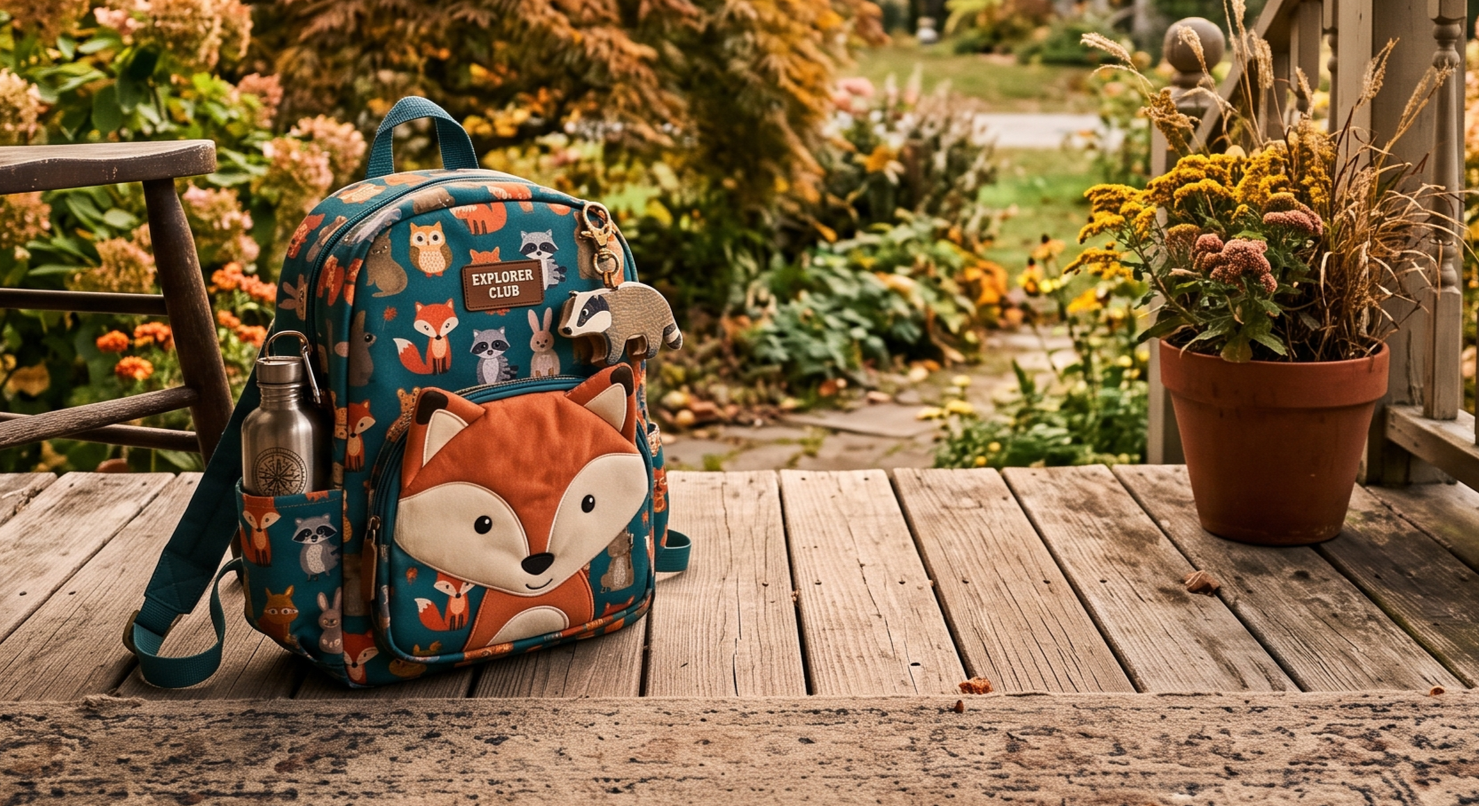
When we shopped for her preschool backpack, we made a small ritual of it. She picked the color. She picked the patches. She helped pack it. The backpack is hers. It is a small declaration: this part of the world is for you.
3. We coached her on what to say if other kids asked
Kids ask questions. Coached scripts help.
· "My brother goes to the doctor a lot. He has something called cancer. He is okay now."
· "I have a brother. He is at home today."
· "You can ask me about my family. I love talking about them."
She does not have to answer every question. We have practiced saying, "I do not want to talk about that right now."
4. We built a soft drop-off ritual
Preschool drop-offs are notoriously hard for kids. They are extra hard for kids whose home life has been chaotic. We built a small drop-off ritual. The same hug. The same phrase. The same wave at the window. She knows what to expect.
5. We arranged for grandparent presence on hospital days
On days when our son has a survivorship appointment, our daughter's grandparents are doing pickup or hosting an afternoon. She knows where she is going. The schedule is predictable.
6. We talk about her day on purpose
Every evening, we ask about her day before we ask about anything else. "How was preschool today? Tell us one thing that happened." We try to give her the first ten minutes of the dinner conversation.
This is small. It is also one of the most important things we do.
7. We are letting her be a sibling, not a co-parent
Cancer siblings sometimes get pulled into roles that are too big for them. The mini-caregiver. The mini-cheerleader. The mini-translator for the family.
We are working to let her be four. To not ask her to be steady for her brother. To not ask her to be the easy one in the family. She gets to have feelings. She gets to be loud. She gets to need things.
What we want her preschool to know
If you are a teacher of a cancer sibling, here is what we would tell you. Most of this comes from cancer parents who have walked through school years with their other children.
She may have absences for her sibling's medical appointments. Please be gentle about the work she misses.
She may say things that surprise you (vocabulary or scenarios). Take them in stride.
She may have hard days. The hard days are not always logical. A simple offer to sit somewhere quiet for a minute can help.
She may need extra reassurance about her own health. Cancer siblings sometimes worry about getting sick.
She is bright, capable, and a regular kid. Please treat her as such, with the small awareness that her home has been carrying something heavy.
A note for the cancer sibling parent reading this
If you are sending a cancer sibling to school this fall, you are not the only one paying attention to what they are carrying. You are the most important one.
Build the rituals. Coach the scripts. Talk to the teacher. Make space for them to be both a sibling of a cancer kid and a regular kid at school.
They are going to do great. They are also doing more than they show. We see them.
Dina
Mom of Max | Founder, Maxwell’s Toy Shoppe
Childhood Cancer Advocate 💛
Follow Us On Social
Join our movement to support children battling cancer and their families, year-round:
🎁 Donate to deliver toys to children during long cancer treatment days
🧸 Buy a toy from Maxwell’s Toy Shoppe, and 100% of proceeds support children in treatment
🎗️ Join Maxwell’s Circle of Heroes as a monthly donor to ensure families receive ongoing care