My Son's Chemo Was Invented Before I Was Born
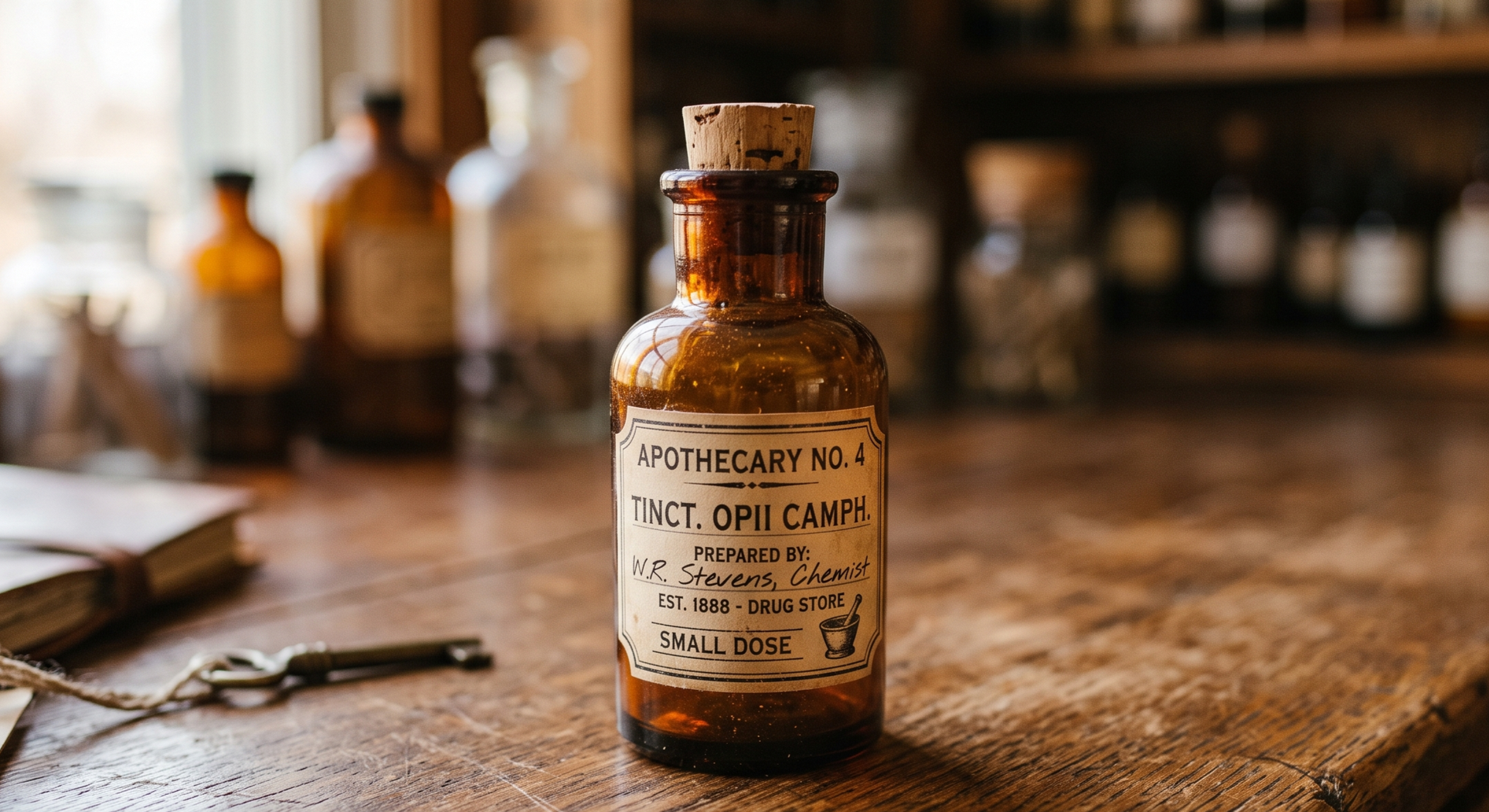
Vincristine was FDA-approved in July 1963.
My son took vincristine hundreds of times over three and a half years. It was one of the drugs that saved his life.
It was also the drug that gave him foot drop for six months, that made him constipated to the point of hospital admission twice, that turned his hands numb during induction, and that he flinched at the mention of every time we were scheduled to receive it.
It was approved by the FDA more than a decade before I was born.
I want to sit with that.
How vincristine came to be
In the early 1950s, at the University of Western Ontario in Canada, two researchers named Robert Noble and Charles Beer were studying an extract from the Madagascar periwinkle plant. The plant had a long history in folk medicine as a diabetes remedy. Noble and Beer wanted to see if there was a scientific basis for that.
They gave the extract intravenously to laboratory rats. The rats did not have their blood sugar drop. They died, instead, from bacterial infections. When Noble and Beer looked closely, they realized the rats' white blood cell counts had crashed.
That accidental observation pivoted their research. If the extract could destroy white blood cells in rats, could it be used against leukemia, a cancer of the white blood cells, in humans?
The answer, over the next several years, was yes. Their work led to the isolation of two compounds: vinblastine and vincristine. Eli Lilly picked up the development and commercialization. Vinblastine was approved first. Vincristine, the one my son received, received FDA approval in July 1963.
By the late 1960s, vincristine was being incorporated into pediatric leukemia protocols. It has been part of the standard treatment for pediatric acute lymphoblastic leukemia every year since. It is the drug my son was given, on schedule, from 2019 through 2022.
The last major protocol advancement for vincristine was better anti-nausea drugs and better management of its side effects. Not a replacement. Not a next-generation vinca alkaloid designed specifically for pediatric bodies. Better anti-nausea drugs to help children tolerate a drug that has been in pediatric oncology for over 60 years.
What this makes me feel
It makes me grateful. Vincristine works. It has saved hundreds of thousands of children with leukemia. Without vincristine, my son would not be alive. That is the beginning and end of the gratitude I feel every time I think about this drug.
It also makes me angry.
Not at the drug. Not at Robert Noble and Charles Beer, who were doing the work of their time and whose accidental discovery has saved my child's life and the lives of many others. Not at Eli Lilly, which brought the drug to market and made it widely available.
I am angry at the fact that in the 60-plus years since vincristine was approved, we have not built a research infrastructure that would have produced a replacement. In the same 60 years, adult cancer treatment has advanced through immunotherapies, targeted therapies, precision medicine, and drugs designed to attack cancer without also attacking the rest of the body.
Pediatric cancer has gotten some of that. Not enough of that. Enough for a Kymriah (approved 2017, a genuine breakthrough for relapsed pediatric leukemia). Not enough for a full menu of newer drugs that would have replaced the vincristine-era backbone.
My son took a drug from the early 1960s hundreds of times.
What I've come to believe
The gratitude for the drugs that saved my son's life does not cancel out the demand for better drugs for the child in the chair next to his. Both feelings can live in me at the same time. Both feelings are, I think, part of what makes a cancer parent an advocate.
Gratitude that fixes on the past becomes complacency. Anger that ignores the past becomes ingratitude. What advocacy needs is both feelings, held together, aimed at the next generation of children.
What advocacy looks like from here
For my family, holding those two feelings has meant a few things.
It has meant giving to research foundations, not just family support organizations, when we do our year-end giving. St. Baldrick's Foundation is the one we lean into most.
It has meant writing to our congressional representatives (two senators and one U.S. rep) once a quarter to ask for increased federal funding of pediatric cancer research.
It has meant learning enough about the science to say clearly, when someone asks, that the drugs my son took were mostly from the 1950s, 60s, and 70s, and that this is a research funding story, not a medical inevitability.
It has meant sitting at kitchen tables with other cancer moms and talking about advocacy in the way that mothers 60 years ago talked about the March of Dimes and polio.
None of this is dramatic. All of it is real.
For the cancer mom reading this
If your child is currently on vincristine, or methotrexate, or 6-mercaptopurine, or doxorubicin, or any of the drugs I've named this month, please know two things at once.
These drugs are the reason our children get to survive. The researchers who developed them, and the ones who spent the next several decades refining how they are used, are heroes.
These drugs also should have had successors by now. They don't. That is a story your voice, as a cancer mom, can help change.
Nobody wants to be a cancer mom. Once you are one, though, the community of other cancer moms who are also becoming cancer research advocates is one of the most powerful communities in this country. Reach out. Find another mom. Join her fight. Bring her into yours.
This is how the next generation of children gets a treatment protocol that isn't 60 years old.
Dina
Mom of Max | Founder, Maxwell’s Toy Shoppe
Childhood Cancer Advocate 💛
Follow Us On Social
Join our movement to support children battling cancer and their families, year-round:
🎁 Donate to deliver toys to children during long cancer treatment days
🧸 Buy a toy from Maxwell’s Toy Shoppe, and 100% of proceeds support children in treatment
🎗️ Join Maxwell’s Circle of Heroes as a monthly donor to ensure families receive ongoing care