

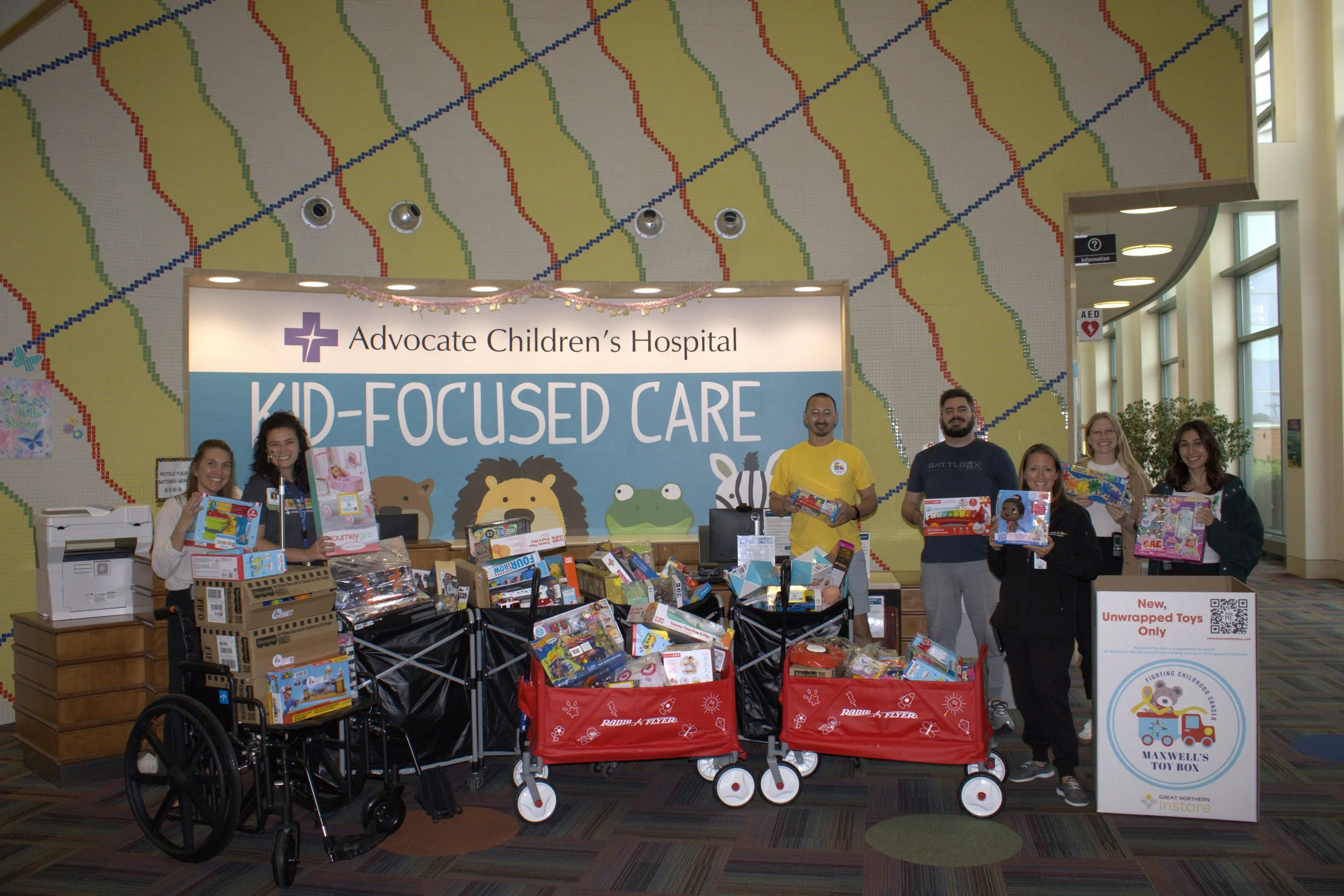
Real stories, big hearts, and why we show up for families every day.
Stories from the Toy Box
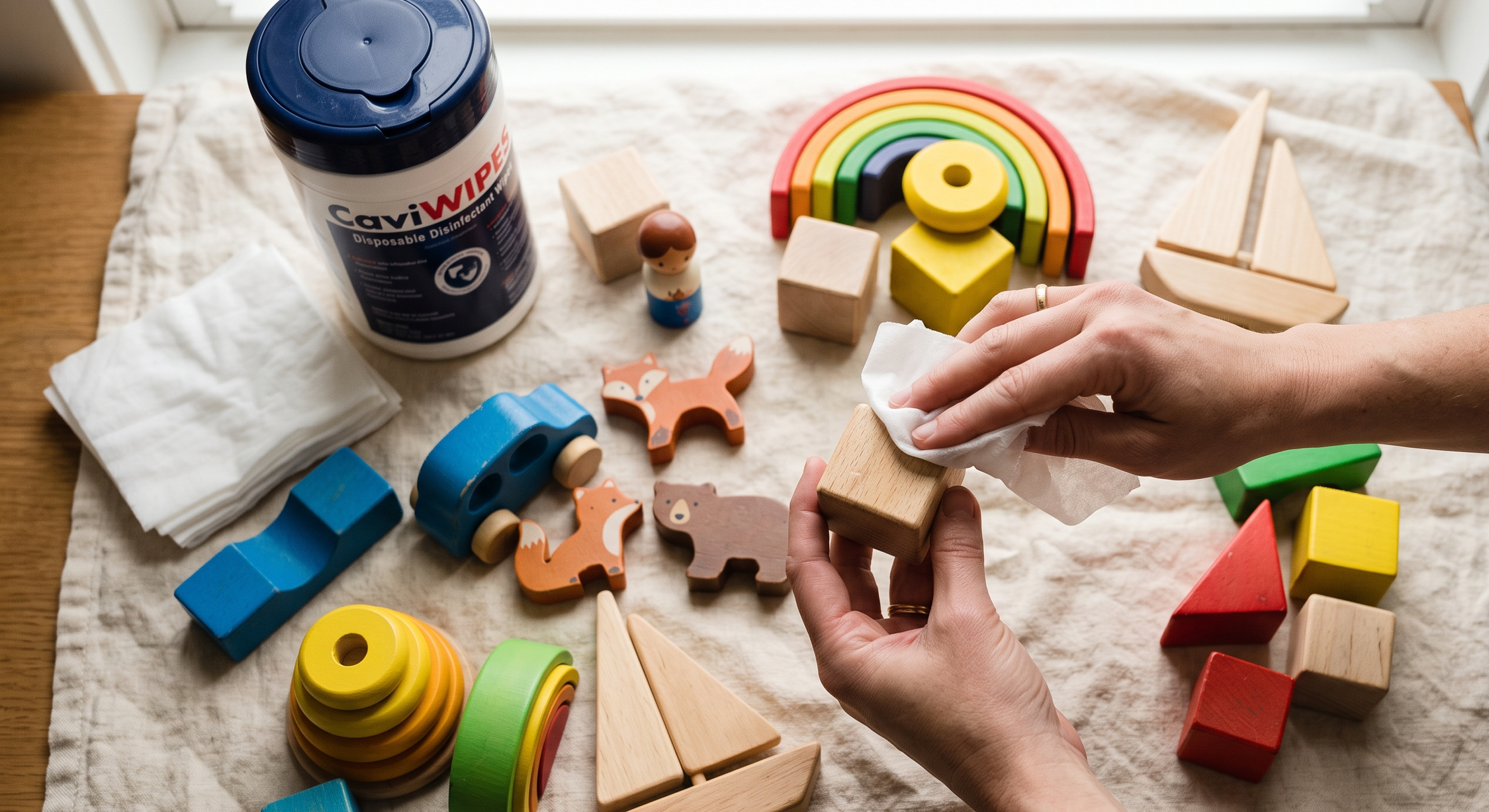
Toys That Survive Sanitizer (And the Ones That Don't)
When your child is in pediatric cancer treatment, cleaning becomes part of everyday life. Hand sanitizer lives in every bag. Hospital wipes sit by the front door. Toys that travel to clinic appointments, hospital stays, and neutropenic weeks need to withstand more than ordinary play.
Over the years, we learned that not all toys are created equal when it comes to repeated sanitizing. Some become trusted companions through years of treatment, while others quickly wear out, trap germs, or simply can't be cleaned safely. From Magna-Tiles and silicone fidgets to machine-washable plush and wooden toys, certain materials consistently stand up to the realities of cancer life.
Here's what we've learned about the toys that survive pediatric cancer treatment—and the ones that don't.

The Cancer Dad Caregiver: Recognizing Fathers in Pediatric Cancer Care
When people picture a pediatric cancer caregiver, they often picture a mom sitting beside an infusion chair. For many families, that image is true. But it is far from the whole story.
Across pediatric cancer communities, fathers are managing medications, attending clinic visits, coordinating care, balancing work and insurance responsibilities, caring for siblings, and carrying the emotional weight of keeping a family moving through treatment. Yet their contributions are often overlooked or treated as secondary.
This post is for the cancer dads doing caregiver work every day—the dads packing hospital bags, administering chemo, taking late-night fever calls, and showing up for their children in ways that often go unseen. It is also for the families, friends, employers, and healthcare providers who can help ensure that all caregivers receive the recognition and support they deserve.
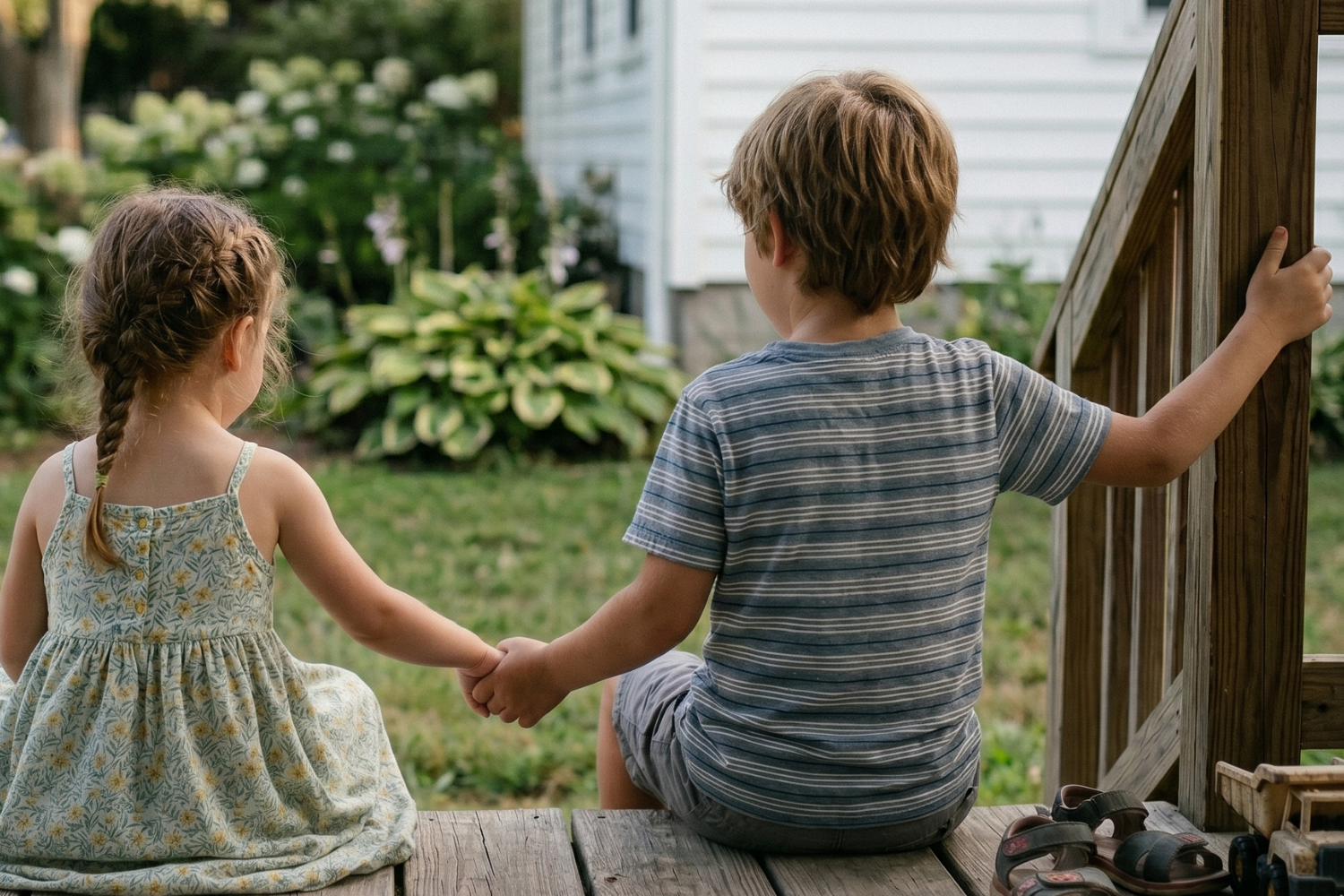
What My Daughter Keeps Asking About Her Brother's Hospital Visits
As my three-year-old daughter begins asking questions about her brother’s leukemia treatment, I reflect on the often-overlooked experience of siblings growing up alongside childhood cancer. This story explores how sibling conversations evolve over time, the emotional impact cancer has on young children, and the quiet work of helping siblings feel seen, included, and safe while navigating life after treatment.

What I Notice Now That I Did Not Notice Before
Cancer changed many things about the way I move through the world. One of the most unexpected is how much more I notice.
Not the big milestones or dramatic moments—the small things. The way sunlight moves across the living room floor. The sound of coffee being poured in the morning. The exact expression on my daughter's face when she's getting tired. The texture of a favorite blanket. The quiet moments that once slipped by unnoticed.
During treatment, my attention was trained on medications, symptoms, blood counts, and subtle changes that could signal something important. When active treatment ended, that hyper-awareness didn't disappear. It simply found new places to land. This is a reflection on the small things I notice now, and how surviving pediatric cancer changed the way I pay attention to everyday life.
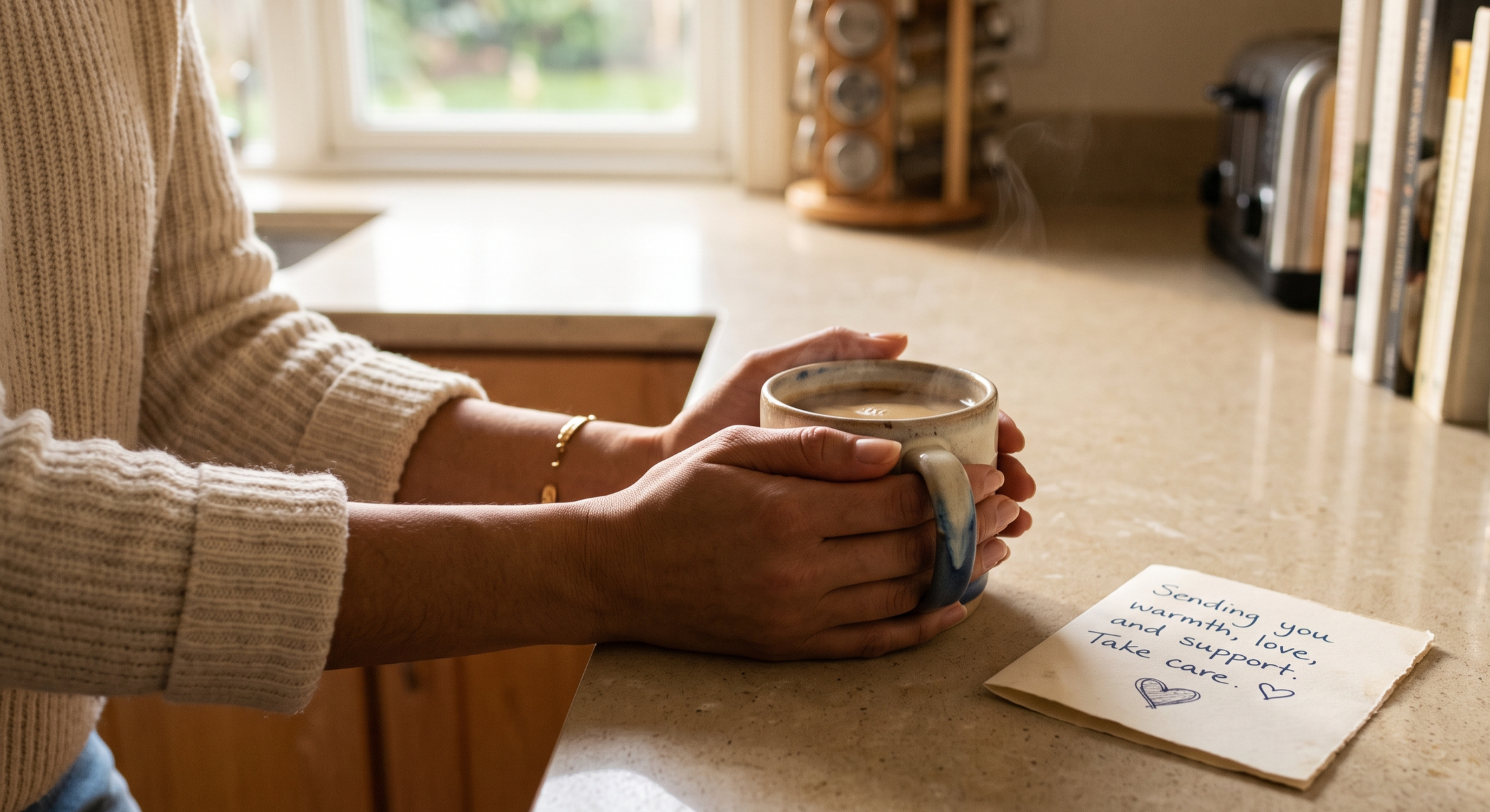
How to Support a Friend Whose Child Was Just Diagnosed
When a friend's child is diagnosed with cancer, most people want to help—they just don't know how. The shock of the diagnosis can leave friends feeling helpless, worried about saying the wrong thing, or unsure what support is actually useful.
The truth is that cancer families rarely need perfect words. They need people who stay. People who send the text, drop off the meal, remember the siblings, and keep showing up long after the initial crisis has passed. This guide walks through practical ways to support a family during the first 48 hours, the first month, and the first year after a pediatric cancer diagnosis, based on what cancer parents say mattered most.
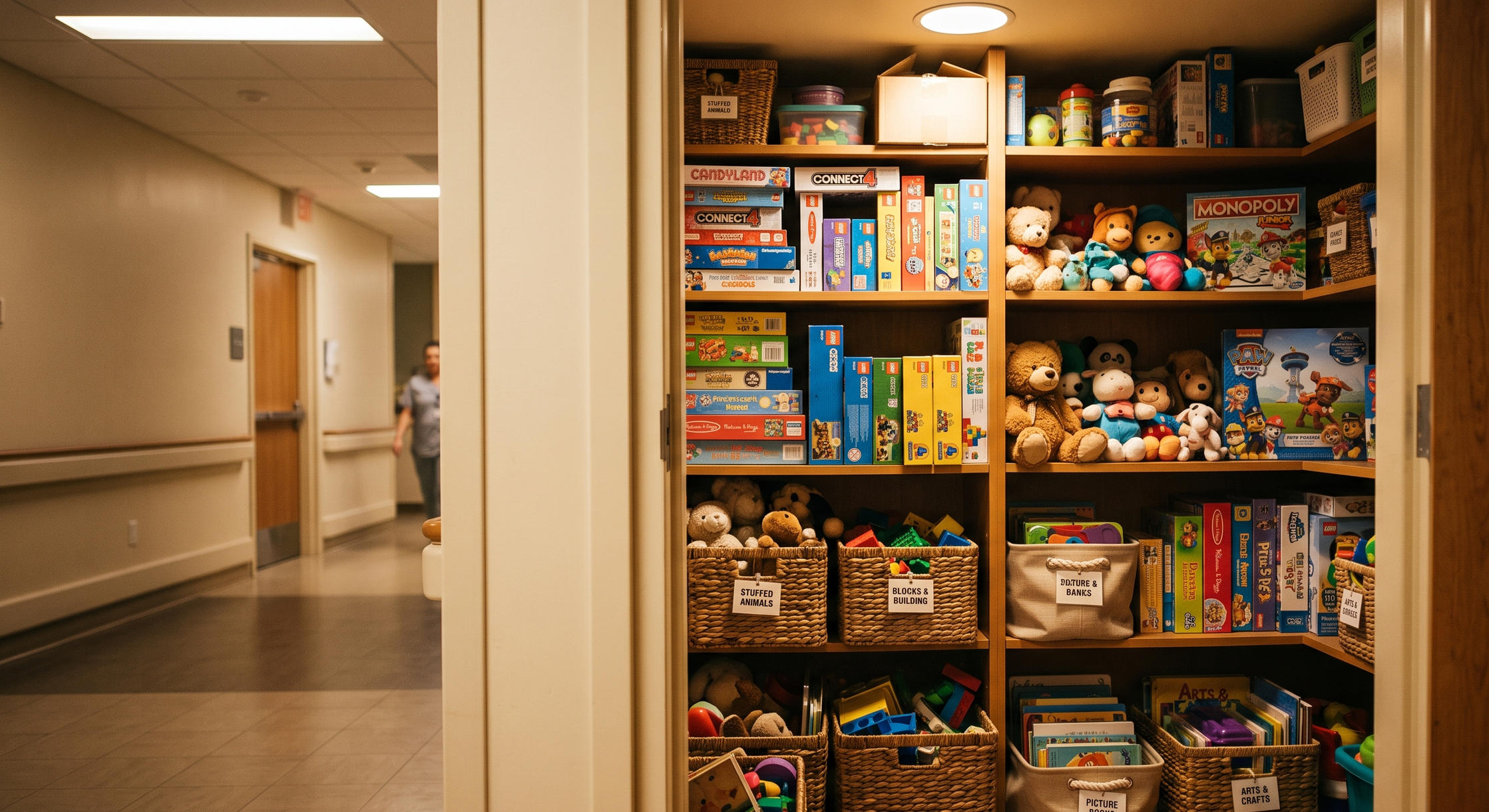
A Walk Through a Hospital Toy Closet
Most people will never see a hospital toy closet. Tucked away on pediatric floors, behind clinic hallways and heavy doors, these small rooms are filled with puzzles, sensory toys, art supplies, books, plush animals, and comfort items carefully selected for children facing some of the hardest days of their lives.
To an outsider, a toy closet may look like a simple storage room. To child life specialists, nurses, social workers, and families, it is something much more. The toys inside are not extras or rewards—they are tools that help children regulate during procedures, cope with long hospital stays, ease anxiety, and create moments of normalcy in the middle of treatment. This behind-the-scenes look explores what hospital toy closets are, who uses them, how they stay stocked, and why they play such an important role in pediatric cancer care.

A Clinic-Day Playlist
Some family memories are stored in photographs. Others are stored in songs.
What began as a simple Spotify playlist for the drive to chemotherapy slowly became something much bigger for our family. Over the years, songs were added by our son, our daughter, my husband, and me—each one tied to a specific moment in our pediatric cancer journey. A diagnosis day drive. A remission phone call. A trip home after treatment. Ordinary clinic mornings that became part of the rhythm of our lives.
This is a reflection on the unexpected role music can play during cancer treatment and why creating a clinic-day playlist may become one of the most meaningful keepsakes your family carries long after treatment ends.
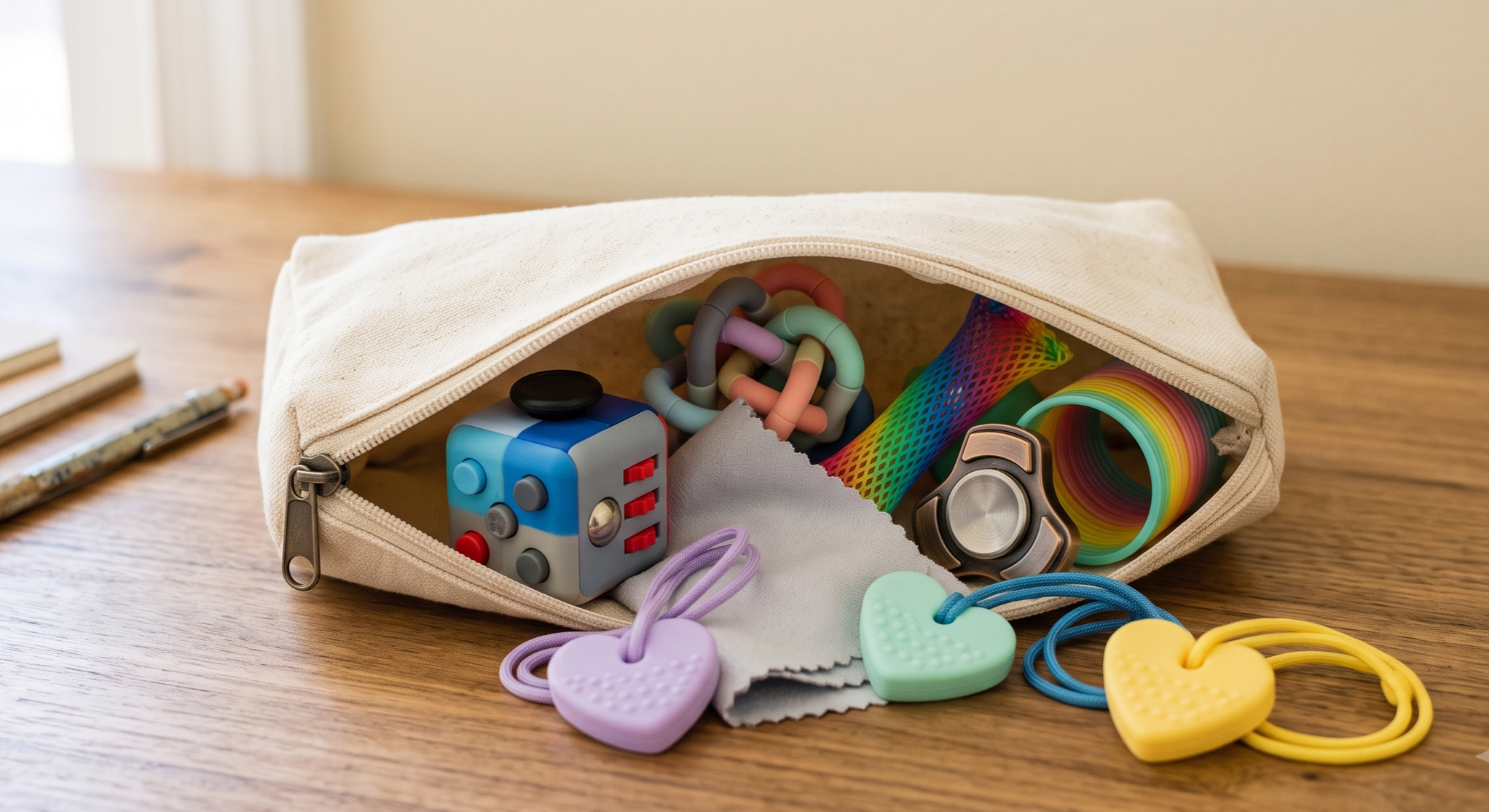
The Back-to-School Sensory Toolkit: What to Tuck in the Backpack
For many children, school is a sensory overload of bright lights, crowded hallways, noisy cafeterias, unfamiliar smells, and constant activity. For pediatric cancer survivors, children with sensory sensitivities, or kids navigating anxiety and big transitions, having a few simple regulation tools within reach can make a meaningful difference throughout the school day.
The good news is that a sensory toolkit doesn't need to be large, expensive, or disruptive. A handful of quiet, discreet items tucked into a backpack or pencil pouch can help children self-regulate, stay focused, and feel more secure when school feels overwhelming. From textured fidgets and worry stones to chewable toppers and comfort notes from home, these are 10 school-friendly sensory tools that can help children navigate the school year with greater confidence and calm.
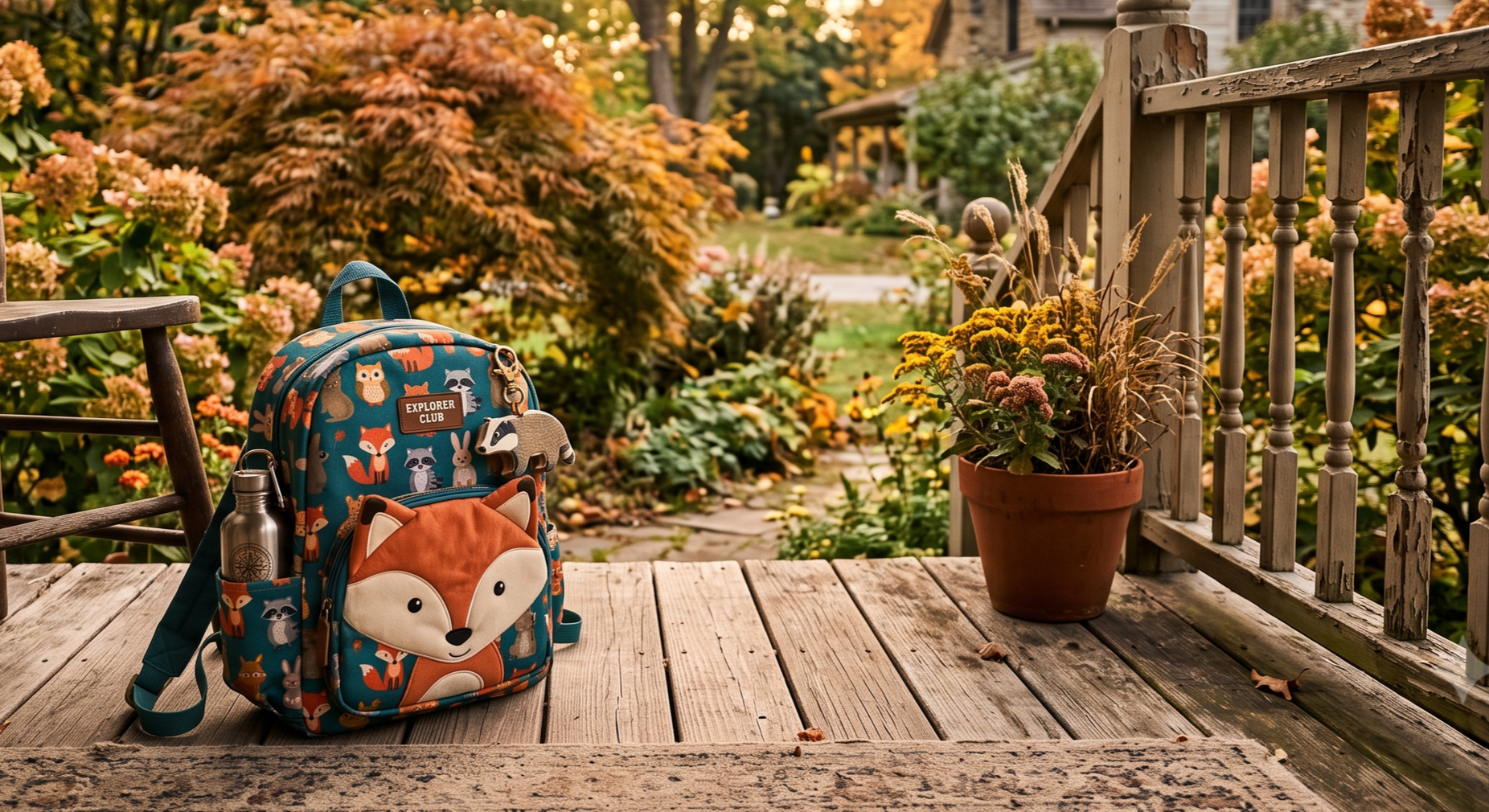
Back to School for the Cancer Sibling: What Helped Our Daughter
Starting school is a big milestone for any child. For a cancer sibling, it can carry an extra layer of complexity. While classmates are adjusting to new routines, friendships, and classrooms, children who have spent years alongside a sibling's cancer treatment may also be carrying worries, experiences, and responsibilities that most children their age have never encountered.
As our daughter prepares to start preschool, I've found myself thinking about what life has looked like from her perspective. The hospital visits, the changing schedules, the medical vocabulary, and the moments when family life revolved around her brother's treatment. This post shares what we've learned about supporting cancer siblings as they enter school, how to partner with teachers, and the small ways we can help them feel seen, supported, and free to simply be kids.
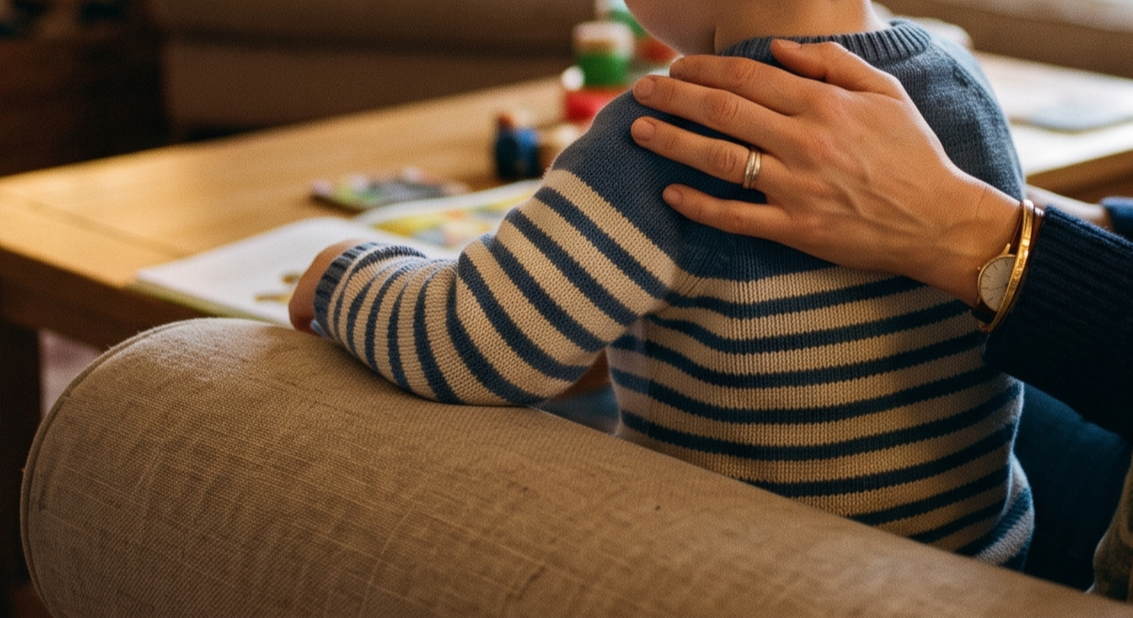
How to Talk to Your Child About Their Diagnosis (By Age)
Few moments are more difficult for a parent than telling their child they have cancer. There is no perfect script, no flawless way to deliver life-changing news, and no conversation that makes the diagnosis easier to hear. What children need most is not perfection—they need honesty, reassurance, and a trusted adult willing to stay with them through the questions and emotions that follow.
This age-by-age guide offers practical ways to talk with children about a cancer diagnosis, from toddlers to teenagers. Drawing on guidance from pediatric child life specialists, oncology social workers, and experienced cancer parents, it explores how to explain cancer in developmentally appropriate language, answer difficult questions, and create a foundation of trust that will support your child throughout treatment.

The First Vacation After Treatment: What We Packed, What We Left at Home
After nearly four years without a real break from treatment life, our first family vacation after active cancer treatment felt both ordinary and extraordinary. We stayed close to home, chose a small lake town, packed a careful medical bag, and left the hospital bag behind for the first time in years. It wasn’t about doing everything perfectly—it was about proving we could go. Three nights, a short drive, and a quiet cabin became our first step into life as a survivor family learning how to travel again. Here’s exactly what we packed, what we didn’t, and what we learned along the way.

The Receipt I Keep in My Wallet
Three years ago, during an inpatient stay for our son's leukemia treatment, I bought a coffee, a banana, and a sandwich from the hospital cafeteria. It was an ordinary purchase on an ordinary Tuesday morning, except it wasn't. Somewhere between hospital admissions, medications, sleepless nights, and survival mode, I had forgotten that I was a person, too. That sandwich became a small act of self-preservation. Years later, the faded receipt still lives in my wallet as a reminder that sometimes the things that keep us going are not the big milestones, but the quiet moments of care we extend to ourselves along the way. This is a story about a receipt, a sandwich, and the small declarations that help cancer parents endure the impossible.
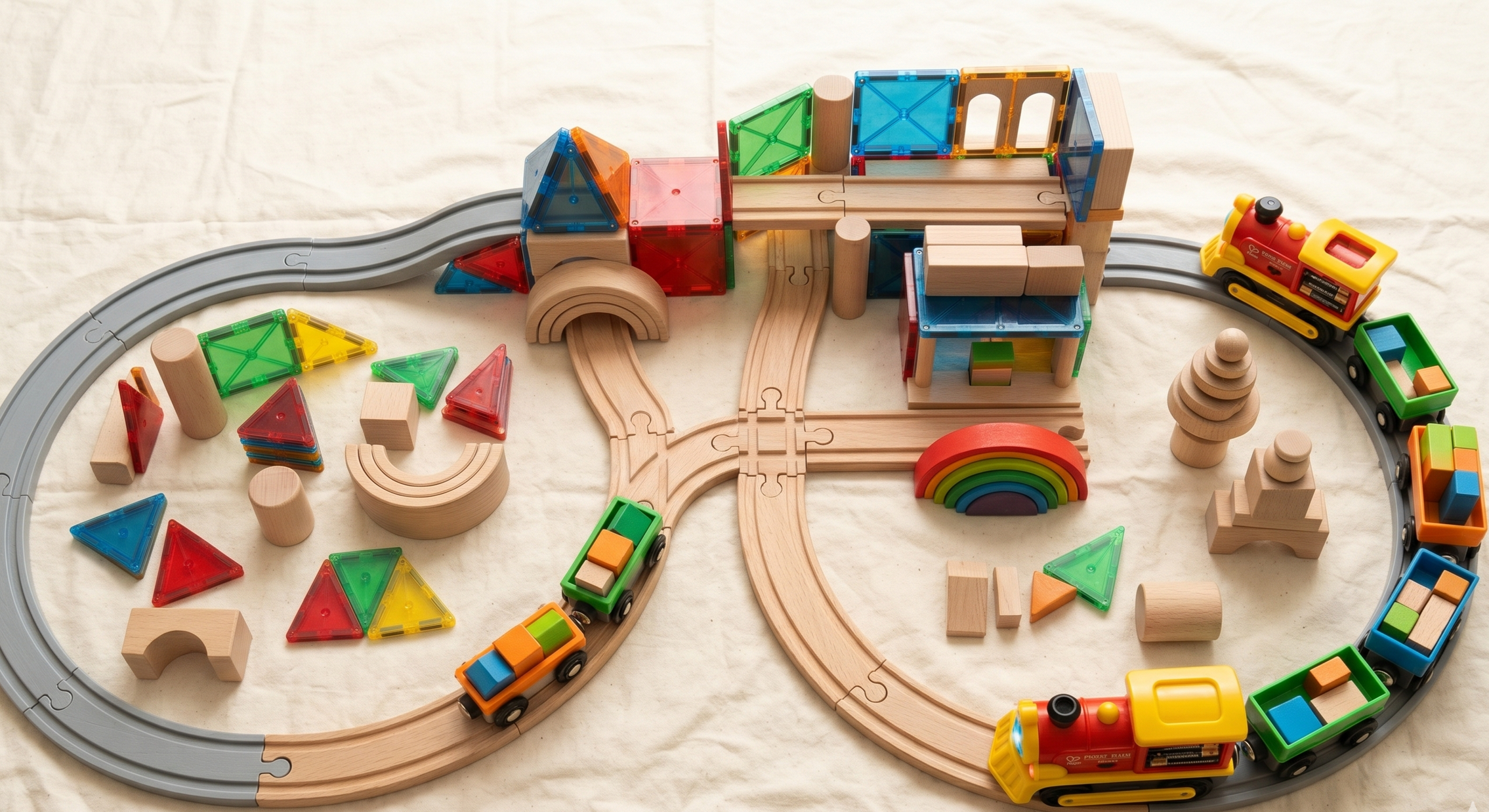
Open-Ended vs. Battery-Operated Toys: What We Learned Over 100+ Clinic Visits
After years of pediatric cancer treatment, we discovered that the toys that stayed in our hospital bags were rarely the flashy, battery-powered ones. The toys that truly helped during long clinic days, inpatient stays, and difficult procedures were the simple, open-ended toys that invited creativity, imagination, and hands-on engagement. From Magna-Tiles and Play-Doh to sensory toys and art supplies, these were the toys that held a child's attention, supported emotional regulation, and gave them something treatment often takes away: a sense of control. In this post, we share why open-ended toys became our go-to choice and how they can help children in treatment, at home, and beyond.

The Invisible Feelings of a Cancer Sibling
When a child is diagnosed with cancer, the entire family is affected—including brothers and sisters. While much of the attention naturally focuses on the child in treatment, cancer siblings often carry their own worries, confusion, jealousy, loneliness, and love quietly beneath the surface. Their feelings may show up through behavior rather than words, making them easy to miss during an already overwhelming season. In this guide, we explore what cancer siblings are really experiencing, the signs parents and caregivers should watch for, and practical ways to help siblings feel seen, supported, and connected throughout the cancer journey.

School During Chemo: Navigating IEPs, 504s, and What to Ask For
When a child is diagnosed with cancer, school suddenly becomes much more complicated than homework and report cards. Between treatment schedules, hospital stays, fatigue, and the cognitive effects of therapy, many children need additional support to stay connected to their education. The good news is that federal law protects their right to accommodations. Whether your child needs a 504 Plan, an IEP, modified attendance, academic adjustments, or health-related support, understanding your options can make a significant difference. This guide walks parents through the school accommodation process and helps you advocate for the support your child needs during treatment and beyond.
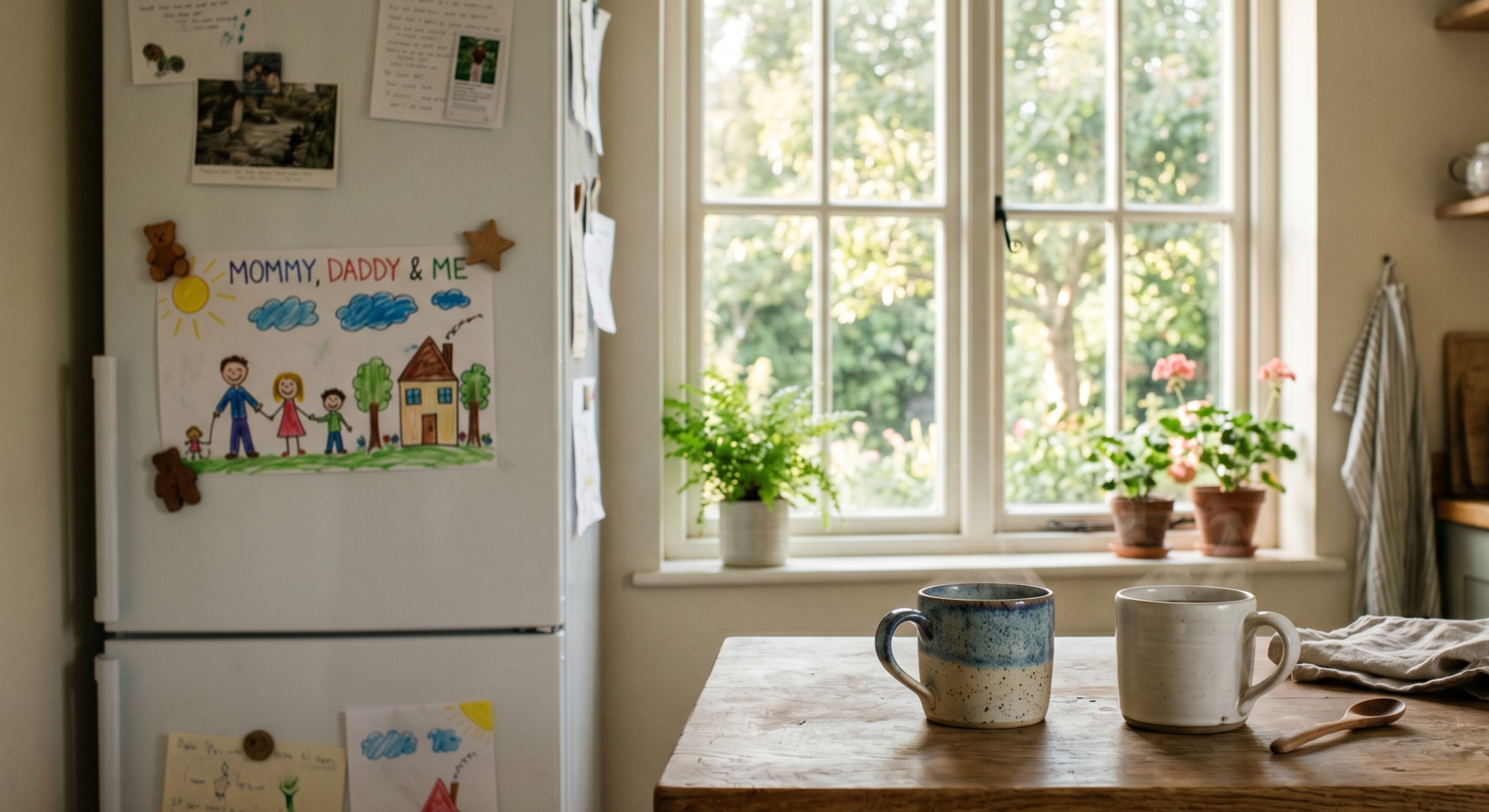
What "In Remission" Actually Means in Our House
When people hear the words “in remission,” they often imagine the cancer journey is over. For many pediatric cancer families, remission is something more complex. It is relief, gratitude, hope, and uncertainty all living side by side. The daily hospital visits may be gone, but follow-up appointments, scans, and the emotional weight of everything that happened remain. In this post, I share what remission means medically, what it looks like in our family's everyday life, and why reaching remission is not the end of the story, but the beginning of a new chapter.

Birthday Parties, Holidays, and the Immunocompromised Family
When a child is in cancer treatment, something as simple as attending a birthday party can become complicated. Concerns about illness exposure, crowded spaces, and fatigue often force families to choose between protecting their child and participating in everyday life. The good news is that a few thoughtful adjustments from a host can make a world of difference. Whether you're planning a birthday party, holiday gathering, or family celebration, this guide offers practical ways to create a safer, more welcoming environment for families navigating pediatric cancer treatment, so children can enjoy the moments of childhood they deserve.
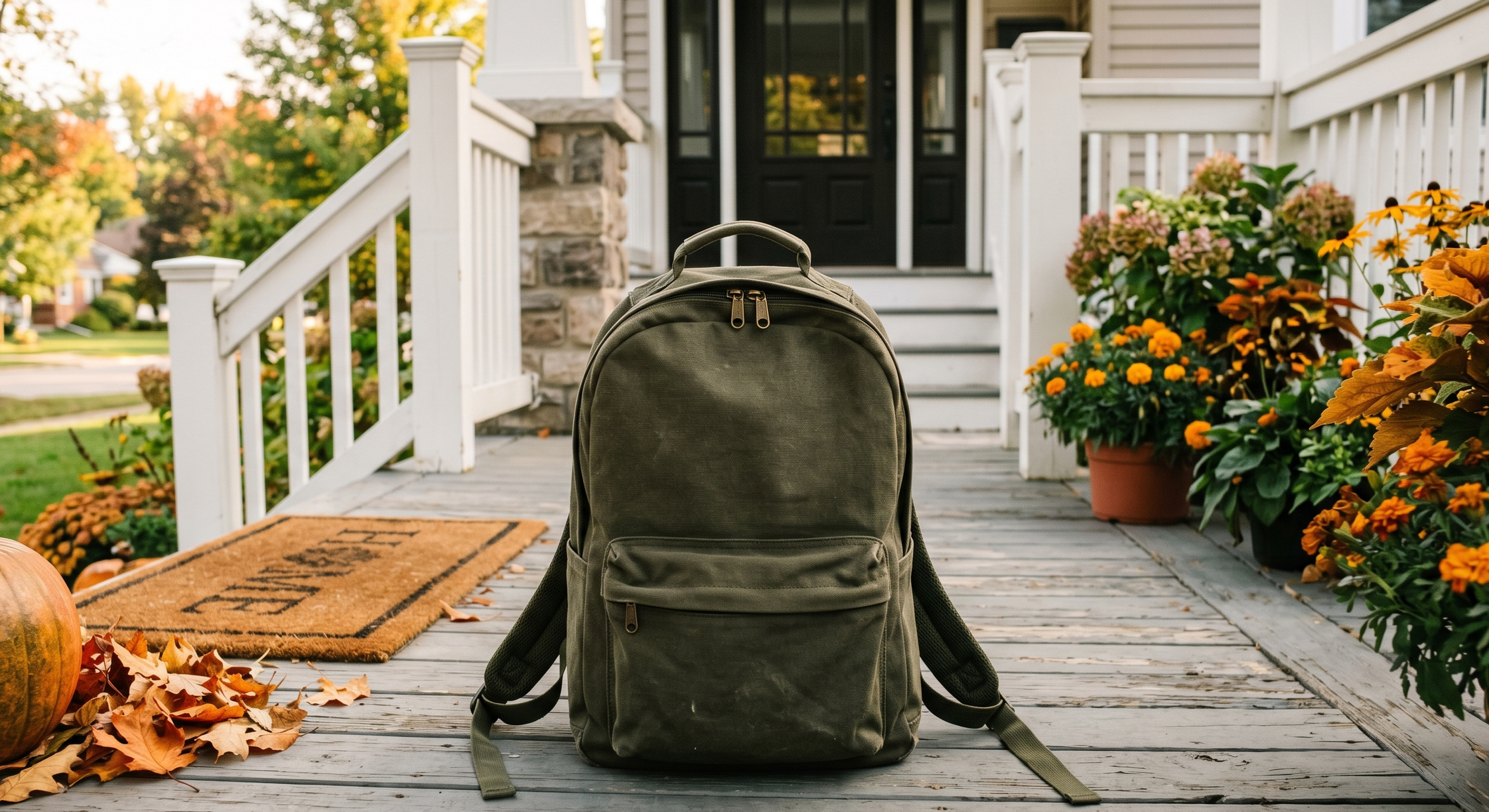
Returning to School After Pediatric Cancer Treatment: A Parent's Re-Entry Guide
For many pediatric cancer families, finishing treatment is not the final milestone. Re-entering everyday life is.
This fall, our son will start kindergarten. It will be his first experience in a daily school environment that isn't shaped by hospital visits, clinic appointments, or treatment schedules. We are excited. We are grateful. And if we're being honest, we're a little nervous too.
School re-entry after pediatric cancer is a unique transition. Children are returning to classrooms, friendships, routines, and expectations that may have changed while they were away. Parents are learning to loosen the grip that years of medical vigilance required. Schools are doing their best to support a child whose needs may not fit neatly into a standard back-to-school checklist.
The good news is that most survivor families find their footing. With thoughtful planning, clear communication, and a little patience, school can become a place of healing, confidence, and normal childhood again.
In this guide, we're sharing practical steps to prepare for a successful return to school after treatment—from meeting with teachers and setting up accommodations to helping your child navigate questions from classmates and manage the emotional ups and downs of re-entry. Because while the first day of school may feel overwhelming, it is also something worth celebrating.
For many families, it represents something beautiful: a child stepping into the next chapter of life beyond cancer.
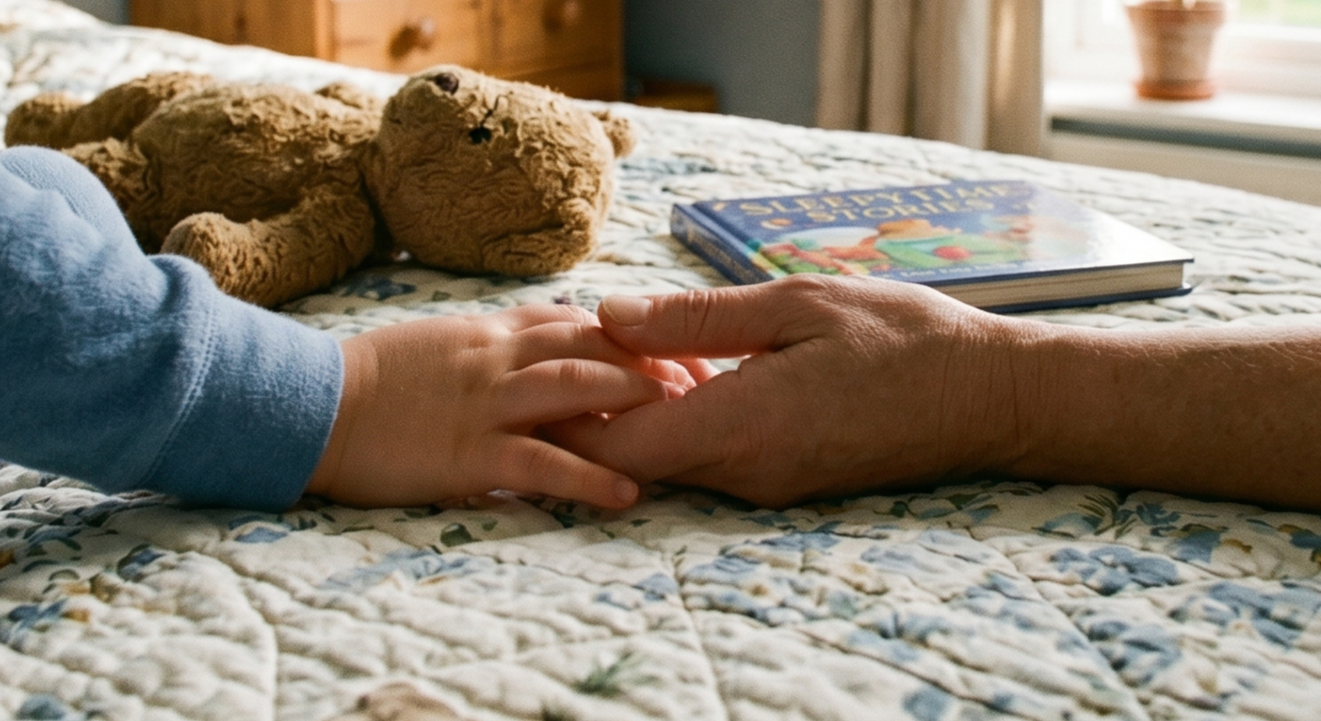
Three Words My Son Said That I Will Not Forget
Last week, on an ordinary drive home from a follow-up appointment, my son said something that stopped me in my tracks.
We were sitting at a red light. He was staring out the window, watching the world go by. Then, without any prompting, he said, quietly, "I love being."
I asked him what he meant.
After a moment, he replied, "I love being a boy."
Then he went right back to looking out the window.
As a cancer parent, there are certain phrases that become part of your family's vocabulary. Words about procedures, side effects, appointments, and waiting. For years, our conversations revolved around treatment. Around getting through the next day, the next week, the next phase.
What struck me about his comment wasn't just the innocence of it. It was the freedom inside it.
"I love being."
It felt like the kind of sentence that belongs to a child who finally has room to simply exist. A child whose days are no longer defined by treatment schedules. A child who can notice the joy of being alive without even realizing he's saying something profound.
This post is about those unexpected moments that arrive after cancer. The small sentences, observations, and pieces of childhood that remind us healing isn't always found in scans or lab results. Sometimes it's found in three words from the back seat of a car.
And sometimes those three words are worth writing down forever.
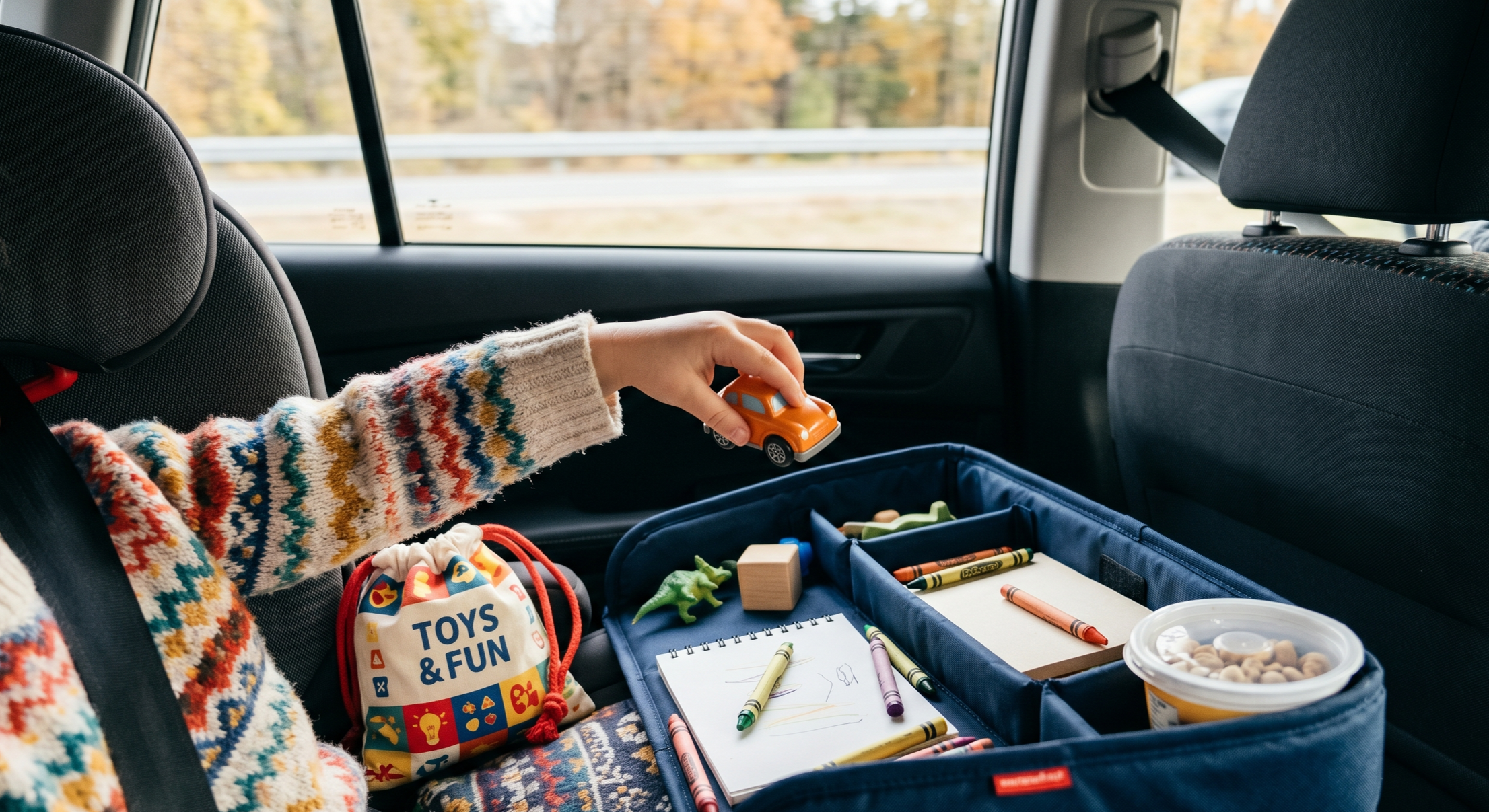
Travel-Friendly Toys for Clinic-Day Drives
If your child is in pediatric cancer treatment, chances are you spend a lot of time in the car. The drive to clinic. The early-morning lab appointment. The ride home after a long infusion. The unexpected trip to the ER when a fever appears out of nowhere.
Over the years, we learned that a well-stocked car bag can make those miles feel a little easier. Not because toys solve hard things, but because they create moments of comfort, distraction, and normal childhood in a season that often feels anything but normal.
The best travel toys are simple, portable, and easy to use in a car seat. Reusable sticker books, magnetic drawing pads, sensory toys, small wooden cars, activity books, and favorite audio stories became staples in our back seat. They helped pass the time, eased pre-clinic anxiety, and gave our son something familiar to reach for during long days.
In this post, we're sharing the travel-friendly toys that earned a permanent spot in our family's clinic-day car bag, along with practical tips for keeping kids comfortable on the road. Because sometimes the thirty minutes before an appointment can set the tone for the entire day, and a few thoughtfully chosen items can make all the difference.